Market Analysis and Investment Opportunities in CEE Logistics Sector

Market Analysis and Investment Opportunities in CEE Logistics Sector

Amid the bustling logistics landscape in Central and Eastern Europe (CEE) at the dawn of 2026, a significant milestone has been reached: the logistics market’s worth has surged to €163.63 billion, showcasing steadfast growth despite global challenges. This isn’t just about numbers; it’s a significant turnaround in European supply chains, now positioning CEE as a pivotal connector between Western Europe and Asia. As nearshoring continues to rise and e-commerce gains traction, grasping the transformative forces at play in the CEE logistics sphere becomes crucial for both investors and operators.

The intriguing aspect of this market evolution is its timing. While Western Europe contends with outdated infrastructure and crowded cities, CEE countries are launching state-of-the-art facilities, ready to meet modern supply chain needs. The figures tell the story: investment in the region climbed by a remarkable 143% in early 2025 compared to the previous year, adding to a jump of 70% in 2024. This is not merely growth; it signifies a reconfiguration of logistics across Europe.

For those investing in or operating within the sector, the ramifications extend past mere property statistics. This discussion will dive into how overlapping trends in e-commerce, manufacturing reshoring, and technology advancements are sculpting unique opportunities throughout the CEE region. We’ll uncover why countries like Poland control 48% of the local logistics inventory, while emerging markets like Romania see the swiftest developments in new facilities.

By decoding these factors, stakeholders can strategically align themselves for the impending phase of market growth, whether that involves strategic placements, tech investments, or portfolio adjustments. The real takeaway? CEE’s logistics arena isn’t just expanding; it’s utterly transforming the mechanics of European trade.

Market Overview and Growth Drivers in the CEE Warehousing Market

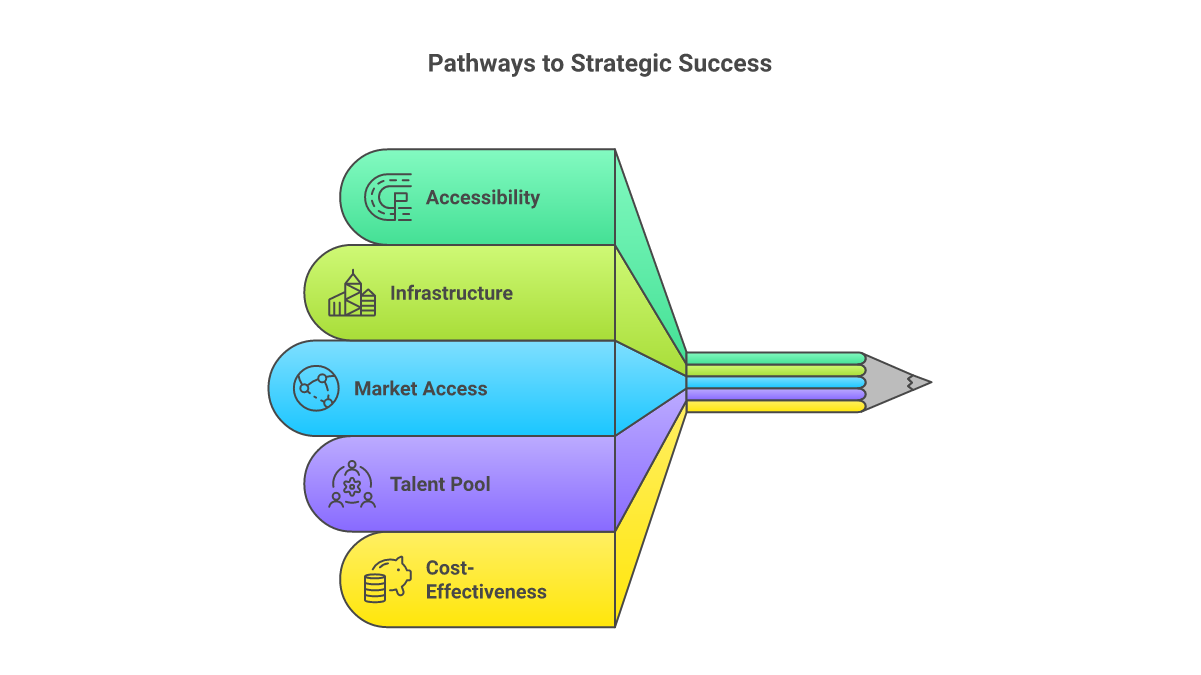
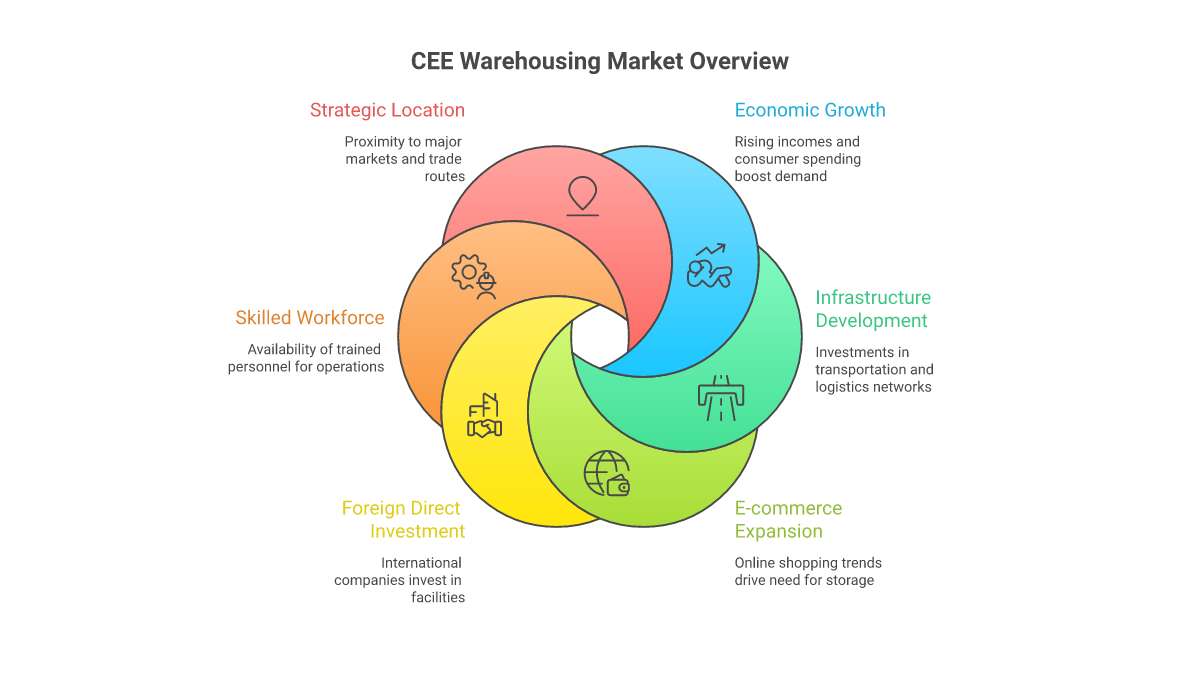
The sturdy performance of the CEE logistics sector is driven by several fundamental growth elements that set it apart from other European areas. Investment volumes soared to €5.36 billion in the first semester of 2025, representing a 51% year-on-year rise. This boom isn’t uniform across the board—Poland leads with €4.2 billion in investment value, while areas like Romania and Hungary boast the highest growth percentages.
Market Overview and Growth Drivers in the CEE Warehousing Market - CEE logistics market visualization
Market Overview and Growth Drivers in the CEE Warehousing Market

At the heart of this push is the rise in e-commerce, with online retail across the region growing at an impressive 21.5% annually—the fastest globally. This consumer behavior shift directly increases the demand for warehousing: Poland, for instance, topped 30 million square meters of cutting-edge industrial space in 2025. Similarly, Romania, the Czech Republic, and Hungary report robust warehouse usage growth.

The reshoring of manufacturing also emerges as a pivotal factor. CEE attracted €18.8 billion in foreign direct investment linked to electromobility, with nations like Slovakia and Hungary focusing on battery logistics and car production flows. Such industrial specialization drives unique logistics infrastructure needs, opening doors for developers who can meet these technical demands.

Modernizing infrastructure only accentuates these trends. Unlike Western Europe’s repurposed sites, CEE markets primarily develop new sites with top-notch specifications. This allows for the best facility design, integrating sustainability and automation from the start. The payoff? Operating costs are about 35% less than equivalent locations in Western Europe.

The labor dynamics in these regions make them even more appealing. While Western Europe struggles with labor shortages and high costs, CEE countries provide a skilled workforce at competitive rates. This allows logistics operations to scale effectively, a vital factor for those extending their European networks.

Investment Landscape and Opportunities

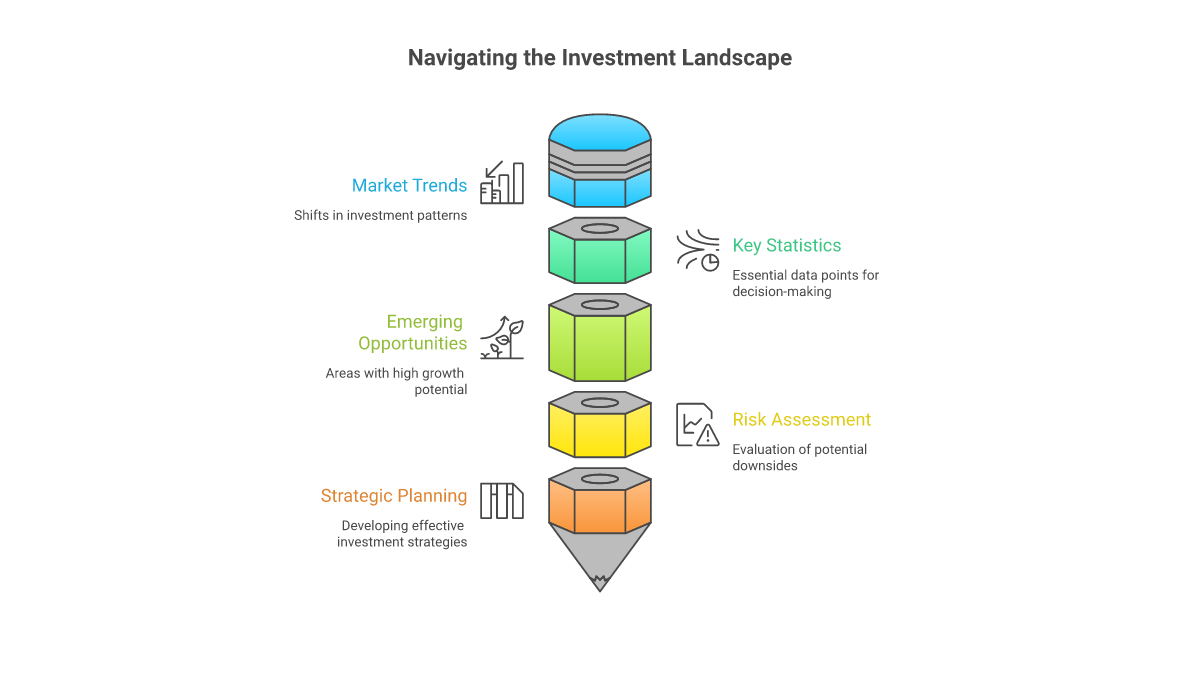
The investment proposition for CEE logistics has become considerably stronger by the close of 2025, underpinned by significant metrics that enhance long-term value prospects. Portfolio deals made up 58% of the total trade volume, underscoring a solid institutional presence and the sector’s maturity. Noteworthy transactions included Czech fund Investika’s purchase of five 7R parks and various cross-border deals exceeding €200 million.
Investment Landscape and Opportunities - CEE logistics market visualization
Investment Landscape and Opportunities

An examination of yield dynamics reveals much about market stance. Prime logistics yields across CEE settled in late 2025, ranging from 5.5% in Warsaw to 6.25% in less central Polish markets. This offers a 75-100 basis point premium compared to their Western European counterparts, providing investors with attractive risk-adjusted returns in a sector brimming with strong fundamentals.

The sources of capital are diversifying too, as Asian investors notably increase their presence. Funds from South Korea and Singapore made up 23% of transaction volumes in 2025, particularly in logistics assets linked to Hungary and Slovakia’s manufacturing sectors. This widening investor base enhances market liquidity and affirms the area’s promising long-term potential.

Development activity aligns closely with market cues. Just 3.8% of Europe’s stock was under construction by mid-2025, with speculative development dropping off significantly in France and across Western Europe. Conversely, CEE markets maintain well-matched development pipelines with absorption rates, seeing pre-leasing rates of 65% for projects initiated in 2025.

Asset quality is on the rise, with new projects integrating state-of-the-art automation and eco-friendly features. Investment in the technological infrastructure of logistics properties hit €2.8 billion in 2025, a leap of 45% from the previous year. This focus on building assets for the future ensures competitiveness and retains value over time.

Regional Market Dynamics

Within the CEE area, specific characteristics in different markets reveal diverse investment opportunities. Poland stands out as the regional forerunner, holding nearly half of the CEE-14’s logistics stock. Its market maturity means there’s a widespread availability of institutional-grade products and strong liquidity for secondary markets—key factors for core investors.

The Czech Republic is particularly adept at managing cross-border logistics, leveraging its central position and strong infrastructure. Investment reached €2.1 billion in the first half of 2025, with an increasing role played by domestic capital alongside international investors. The market effectively balances new development with asset optimization.

Hungary’s market development is largely centered on supporting manufacturing, especially in the electric vehicle and battery production industries. This focus creates a demand for custom-built facilities and opportunities for developers with expertise in specialized industrial logistics infrastructure.

Romania shows strong growth potential, with logistics space expected to reach 8 million square meters by the end of 2025 and aiming for 11-12 million square meters by 2030. The market is fueled by regional e-commerce and reshoring of manufacturing, making industrial property investments all the more appealing.

Slovakia, strategically positioned between major CEE economies, presents distinct opportunities in cross-border logistics. A single hub in western Slovakia can serve 45 million consumers within a 500-kilometer radius, fueling demand for regional distribution hubs.

Future Outlook and Strategic Implications for CEE Logistics Trends

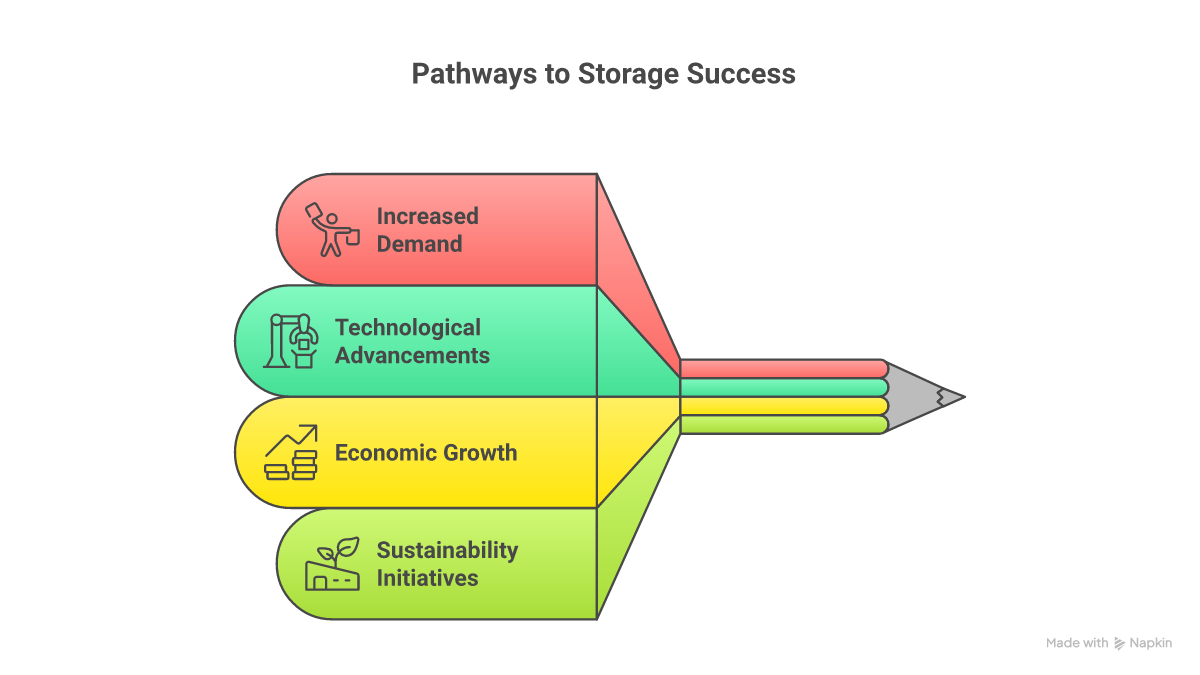
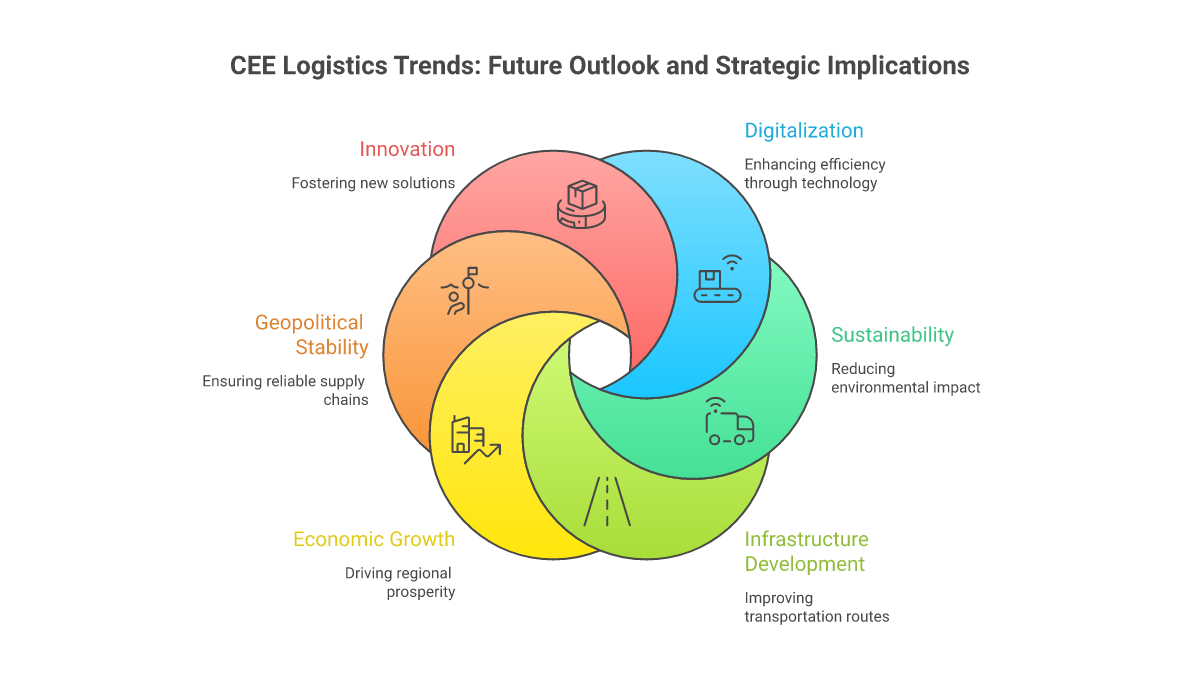
Gazing ahead to 2026-2027, several pivotal trends are expected to shape the market’s trajectory. Demand from occupiers remains buoyant, with 47% of European logistics occupiers planning expansions and only a small fraction, 4%, eyeing reductions. This robust demand outlook supports ongoing market growth while maintaining a healthy balance of supply and demand.
Future Outlook and Strategic Implications for CEE Logistics Trends - CEE logistics market visualization
Future Outlook and Strategic Implications for CEE Logistics Trends

Technological integration is on the rise, with investments in automation and robotics expected to grow by 32% annually until 2026. This trend offers significant advantages to CEE markets, where new logistics facilities can incorporate cutting-edge technology from the outset instead of retrofitting existing buildings.

Sustainability considerations are increasingly pivotal in investment and development decisions. New projects are expected to meet high environmental standards, with 85% of developments launched in 2025 aiming for BREEAM Excellent or equivalent certifications. This focus on sustainable buildings secures investments and satisfies growing demands from occupiers.

Market maturation continues apace, enhancing transparency and availability of products meeting institutional standards. The increasing presence of global investors and operators boosts market standards and creates exit opportunities for pioneering investors and developers.

Capital market signals indicate escalating investment flows, aided by expected monetary policy easing in 2026. As financing costs decrease and risk margins stabilize, transaction volumes should pick up, especially in core markets featuring robust fundamentals.

Conclusion: The Future of CEE Distribution Centers

The CEE logistics sector presents appealing investment prospects, underpinned by powerful structural growth drivers. For investors, the opportunity is in pinpointing assets and markets that align with long-term trends in e-commerce, manufacturing, and supply chain restructuring.

Success in this landscape requires a keen understanding of specific market dynamics and timing. While core markets offer reliability and liquidity, emerging submarkets promise higher returns through development and value-add strategies. Mastering these intricacies is vital for effective capital distribution.

As the market matures, those who can deftly implement sophisticated strategies while managing risks will benefit most from the area’s ongoing evolution into a key European logistics hub. The secret lies in aligning investment tactics with market opportunities, always focusing on long-term value creation drivers.

Poland’s Warehouse Market in 2026: At the Crossroads of Green Growth and Vacancy Rates

Poland’s Warehouse Market in 2026: At the Crossroads of Green Growth and Vacancy Rates

Poland’s warehouse market in early 2026 is standing at a decisive junction. Its modern inventory now exceeds an impressive 35 million square meters , influenced by shifting tenant expectations and a growing push toward sustainability. Though vacancy rates sit around 8.2% nationwide, the sector remains remarkably adaptable, overcoming challenges through strategic modifications aligned with ESG transitions. This analysis dives into how Poland’s industrial real estate sector tackles the double hurdles of space absorption and environmental compliance.

Current insights from major players like CBRE and Savills hint at moderate expansion in supply, with about 2 million square meters set for rollout this year, yet the core demand drivers stay strong. This transformation is chiefly visible in the swift uptake of eco-friendly building techniques, with BREEAM-certified areas now surpassing 44.5 million square meters—boasting an extraordinary annual growth of 52% in sustainable warehouse development.

For those investing, developing, or occupying, grasping this market’s trajectory involves inspecting three crucial aspects: the variances in regional vacancies, trends in sustainability certifications, and their combined influence on asset values. We’ll explore how these factors are reshaping Poland’s warehousing scene, ushering in fresh chances for those in the market.

As we move forward, we’ll delve into the ways top developers attain elevated rent prices by excelling environmentally, the reasons certain regions avoid high vacancy rates, and how these trends predict the market’s development. Stakeholders will find valuable guidance in this complex yet promising market landscape.

Current Market Dynamics: Vacancy Trends in Polish Warehouses

While the Polish warehouse market’s overall 8.2% vacancy rate might seem to paint a stable picture, regional differences tell a more intricate tale of supply and demand. Recent reports show that vacancies can reach as high as 22.9% in Lubuskie but remain in single digits in key logistics hubs, showing how vital a strategic location is for tenant decisions.

Current Market Dynamics and Warehouse Vacancy Trends - Poland warehouse market visualization
Current Market Dynamics and Warehouse Vacancy Trends

Examining specific areas, Warsaw Zone I and Upper Silesia boast the lowest vacancy rates thanks to strong e-commerce demand and their strategic placements within pan-European distribution networks. This pattern underscores a critical market insight: even if headline vacancy rates suggest a glut, prime locations experience vibrant demand and even some supply shortages.

Lower Silesia, notably, now surpasses Central Poland in total warehouse stock. This reflects a change in tenant preferences and highlights the region’s rising status as a logistics hub catering to both domestic needs and cross-border distribution. The region’s ability to pull in major tenants while maintaining solid absorption rates offers valuable insights into market dynamics.

Rental rates stay fairly consistent throughout core markets, with big-box warehouses priced between €3.60–5.75 per square meter, and SBU/City Logistics projects at €4.00–8.25 per square meter. Yet, an emerging trend shows environmentally certified buildings are often leased at higher rates, indicating sustainability credentials are becoming crucial in tenant decisions.

The industry data indicates roughly 680,000 square meters of new warehouse space was wrapped up in Q1 2025 , a 20% dip from last year’s same period. This slower pace of development points to a strategic shift due to current vacancy levels, reflecting developers’ more discerning strategies for new projects.

Environmental Shift: How Sustainability and ESG Shape the Market

Poland’s warehouse industry is undergoing an extraordinary shift toward eco-friendly development, with BREEAM certification becoming the gold standard for environmental quality. By March 2025, the milestone was achieved of over 44.5 million square meters in BREEAM-certified spaces, marking the highest year-on-year leap in sustainable warehouse development Poland has ever seen.

Sustainability Transformation and ESG Impact - Poland warehouse market visualization
Sustainability Transformation and ESG Impact

Developers such as Panattoni, SEGRO, and 7R are taking sustainability seriously, surpassing mere certification thresholds. Panattoni, for instance, plans to reach emission neutrality by 2025, while SEGRO aims to certify its full Polish portfolio with BREEAM by 2027. Such moves highlight the sector’s pivot towards environmental stewardship.

Research from the Polish Green Building Council (PLGBC) shows that certified buildings perform better in occupancy and rental values than standard warehouses. Environmentally certified spaces typically command a premium of 5-15%, based on location and specification level, which is propelling extra investment into green building methods.

Efficiency upgrades and the use of renewable energy are increasingly standard in new builds. Warehouses now often include solar setups, LED lighting, and sophisticated building management systems, which reduce operational costs while aligning with ESG principles. Such enhancements are considered essential to maintaining property value and attracting high-quality tenants.

Current data shows that approximately 54.2% of all certified commercial square footage in Poland now belongs to the warehouse and logistics segment, indicating a fundamental transformation in industrial real estate development and operation prompted by regulatory forces and rising tenant demand for eco-conscious spaces.

Regional Spotlight: Performance of Polish Logistics Centers

Recent analyses highlight varied performance trends across Poland’s warehouse areas. Warsaw’s metro remains the nation’s leading logistics hub, particularly with Zone I vacancy rates far below the national mean, spurred by heavy last-mile delivery needs and its role as a distribution nucleus.

Upper Silesia and Pomerania are gaining traction as vital logistics points, thanks to improved infrastructure and strategic positions along European routes. These regions witness strong demand for eco-friendly warehouses, with sustainable projects leasing quicker than traditional properties.

Meanwhile, regions like Lubuskie and Świętokrzyskie grapple with higher vacancy rates of 17.2-22.9%, underlining the difficulty secondary locations face in drawing and retaining tenants. Yet, even in these areas, sustainable warehouses generally see better occupancy than their non-certified counterparts.

ESG Compliance and Emerging Market Norms

The swift evolution of ESG standards within Poland’s warehouse sector is redefining market expectations and operational strategies. Key developers report that BREEAM certification, once a luxury, is now a standard demand among institutional investors and key tenants. Minimum targeted ratings for new projects have shifted from ‘Very Good’ to ‘Excellent’.

A remarkable achievement occurred when Poland saw its inaugural BREEAM ‘Outstanding’ rating for a warehouse, with Panattoni’s Szczecin project setting new standards for environmental excellence. This milestone reflects the sector’s capacity to produce world-leading sustainable industrial properties.

The incorporation of ESG principles stretches beyond environmental metrics to encompass social impacts and governance structures. Developers now often include employee welfare amenities, sustainable transport options, and community engagement activities in their warehouse designs.

Looking Forward: Trends in Warehouse Efficiency and Market Outlook

Projecting into 2026-2027, several trends are poised to shape the Polish warehouse market’s future. The development pipeline indicates a clear preference for sustainable construction, with over 80% of upcoming projects targeting BREEAM certification at ‘Excellent’ or higher. This shift is driven by both market demand and regulatory pressures favoring enhanced environmental performance.

Future Market Outlook and Warehouse Operations Efficiency Trends - Poland warehouse market visualization
Future Market Outlook and Warehouse Operations Efficiency Trends

Vacancy rates are expected to decline as development slows and current spaces are filled. Analysts predict about 5 million square meters of take-up in 2025, showing robust demand despite economic uncertainties. Locations offering strategic benefits and sustainable facilities are expected to see the strongest absorption.

Environmentally certified warehouses are likely to experience continued upward pressure on rental rates, especially in prime areas. Rising construction costs and the increasing value tenants place on operational benefits associated with sustainable buildings support this trend.

The market sees growing interest in the redevelopment of brownfield sites, particularly those able to meet high sustainability standards while revitalizing urban industrial zones. This approach aligns with environmental goals and the growing need for urban logistics spaces.

Technology is becoming a critical aspect of sustainable warehouse advancements, with smart building systems and energy management tools playing crucial roles in meeting environmental certifications.

Investment Directions and Emerging Opportunities

The blend of sustainability needs with market fundamentals presents distinct investment prospects in Poland’s warehouse sector. Properties with solid environmental credentials consistently show better value retention and higher occupancy, making them increasingly attractive to large-scale investors.

Data highlights that certified warehouses often garner 15-20% higher valuations compared to similar non-certified sites. This premium is due to higher rental income, lower operational expenses, and reduced risk of becoming obsolete in a market increasingly centered on ESG criteria.

For investors, the current climate offers chances to acquire and upgrade existing properties to meet stricter environmental standards. The notable gap between certified and uncertified spaces suggests potential in value-add strategies focused on sustainability enhancements.

Development options remain favorable in strategic locations, especially for projects meeting high environmental benchmarks while catering to specific tenant needs. The success of recent sustainable builds reflects a strong market desire for top-notch environmental features.

Risk considerations have shifted to prioritize environmental performance and safeguarding against ever-tightening regulations. Investors are increasingly weighing the costs of potential environmental upgrades when assessing warehouse opportunities in Poland.

Guidance for Industry Stakeholders

For developers engaged in Poland’s warehouse market, several strategic priorities arise. First, environmental certification should be seen as a baseline requirement, not a luxury, with BREEAM ‘Excellent’ now considered standard for competitive assets.

Occupants need to thoroughly assess the overall cost implications of their warehouse choices, weighing both immediate rental prices and long-term savings. The premium on sustainable spaces is often offset by reduced operating expenses and alignment with ESG goals.

Investors should evaluate current portfolios against rising environmental standards and formulate clear strategies for asset upgrades. The growing valuation gap between certified and uncertified properties makes this need pressing.

All market players should closely watch regional performance variations, as location quality is increasingly linked with environmental factors in asset performance.

Looking forward, stakeholders should get ready for further sustainability standard evolutions, especially regarding carbon reduction and energy efficiency. Embracing advanced environmental standards early on can offer a competitive edge in a discerning market.

Conclusion

Poland’s warehouse market showcases remarkable resilience and nimbleness in addressing the challenges of managing vacancies and adhering to sustainability demands. The swift adoption of environmental certifications, particularly BREEAM, positions the sector well for growth and investment opportunities.

The link between sustainable development and market success indicates that environmental excellence is fast becoming a central driver of asset value. This trajectory will likely accelerate as tenants and investors increasingly prioritize ESG factors in their real estate considerations.

Those involved in the market who effectively combine wise location choice with sustainable warehouse development practices are best poised to capitalize on opportunities within Poland’s evolving industrial real estate sector.

The Evolution of European Logistics Real Estate: Market Analysis and Strategic Implications for 2026

The Evolution of European Logistics Real Estate: Market Analysis and Strategic Implications for 2026

Reflecting on the events of 2025, the European logistics real estate market unveiled a crucial phase, marked by investment volumes soaring to €16 billion in the year’s first half . That’s a 6% uptick from earlier intervals. This leap points to a core reevaluation of how logistics spaces are appraised and engaged in our post-pandemic reality. However, these headline numbers only scratch the surface of a deeper market shift, one that is redefining location choice, asset management, and strategic foresight.

This metamorphosis holds significant weight as the European warehousing landscape speeds towards its forecasted worth of €661.21 billion by 2034, advancing at a compound yearly growth of 7.27% . It’s about more than just the square meters or rental returns; it’s the dawn of a logistics era where location, tech, and sustainability integrate to forge competitive edges in unprecedented ways.

We dive into the lively market forces currently in play, scrutinizing how shifts in consumer habits, supply chain strategies, and tech advancements are birthing both hurdles and opportunities for those in logistics. Whether it’s the swell in city fulfillment hubs or the changes in cross-border networks, we’ll spotlight the main trends driving logistics real estate’s future.

By grasping these market movements, logistics professionals can better steer their way to triumph in a setting that’s only getting more complicated and fiercely competitive. Let’s break down the elements steering market change and their practical impacts on operators throughout Europe.

Market Dynamics and Growth Trajectories in Commercial Warehouse Space

The European logistics real estate sector put on an impressive show in 2025, featuring prime rents climbing by 4.4% year-on-year across 46 notable markets . Though this rise has eased from previous peaks, it hints at a market maturely evolving rather than fading. With a modest vacancy rate of 4.4%, well below historical levels, the need remains robust despite economic challenges.

Western Europe’s key markets, particularly, stabilized early in 2025, seeing a slight 2% growth in leasing activity year-over-year in the first quarter. Still, this sits 21% shy of the decade average, leaving room for further recovery. Paris shines brightly, leading Europe with the highest take-up in industrial and logistics spaces over 12 months, highlighting the ongoing value of major urban hubs.

Investment behaviors expose a significant mood shift. During the first half of 2024, logistics real estate covered 22% of all European real estate investments—a record for the sector in a first-half segment, far above the 12.5% historic norm. This shift underscores investors’ escalating confidence in logistics as a foundational asset class.

Rent patterns paint a complex image between different market tiers. The European logistics realm now exhibits an estimated 10-15% rental potential, achievable by aligning existing leases with market conditions. This growth possibility not only counters inflation in many locales but offers a buffer against burgeoning costs. Yet, rental hikes vary widely based on location and asset quality.

As the market divides into premium and secondary assets, value-add prospects are cropping up. Top-tier warehouses are experiencing yield tightness, whereas secondary yields stay stagnant or experience slight expansion. This growing spread between primary and secondary yields offers fertile ground for astute investors to spot and revamp underperforming assets.

Strategic Location Considerations

In the rapidly evolving landscape of European logistics, choosing a location is no longer just about being close to transport hubs. Today’s operators weigh a web of factors such as workforce availability, power infrastructure, and last-mile delivery prowess. Facilities placed within a 500-kilometer orbit of major urban centers can cater to a staggering 45 million consumers—an essential metric in the era of lightning-fast deliveries.

Strategic Location Considerations - logistics real estate visualization
Strategic Location Considerations

Urban logistics sites are more vital than ever, with demand in city-adjacent areas growing 15% faster than in suburbs during 2025. This surge highlights the critical need for same-day shipping capabilities, with key European cities now setting delivery expectations that seemed outlandish a few years back. Paris, London, and Berlin are at the forefront of this urban logistics shift, commanding rental premiums of 25-40% over their suburban counterparts.

Changing cross-border shipping habits are redrawing location maps, particularly in Central and Eastern Europe. Data shows that centralized hubs serving several nations can slash operating expenses by up to 24% compared to country-specific setups. As a result, places like western Poland, eastern Czech Republic, and western Slovakia are in demand for their ability to serve multiple EU markets efficiently.

Power capabilities have emerged as a decisive factor, with facilities offering high electrical supply attracting higher rents. Research suggests that warehouses featuring greater than 2MW power connections see rent premiums ranging from 12% to 15% more than standard facilities, underscoring the rising use of automation and EV charging stations.

Labor supply is another critical factor affecting site selections, with companies leaning towards regions with robust workforce demographics. Areas abundant in skilled labor and offering competitive salary structures boast 18% higher occupancy rates over regions grappling with workforce scarcity.

Emerging Market Opportunities for Warehouse Development

Central and Eastern European territories continue to show promising prospects, with logistics investments rising by 32% in 2025 over 2024. Countries like Poland, Romania, and Hungary are leading this growth wave, buoyed by cheaper operational costs, up-to-date infrastructure, and strategic placements for pan-European distribution.

In these regions, yield premiums of 75 to 100 basis points above Western European markets are typical, yet these areas maintain comparable tenant quality and lease security. The development pipeline in these logistics hotspots remains measured, with fresh supply accounting for merely 3.8% of the existing inventory, laying the groundwork for enduring rental growth prospects.

Technological Integration and Asset Enhancement

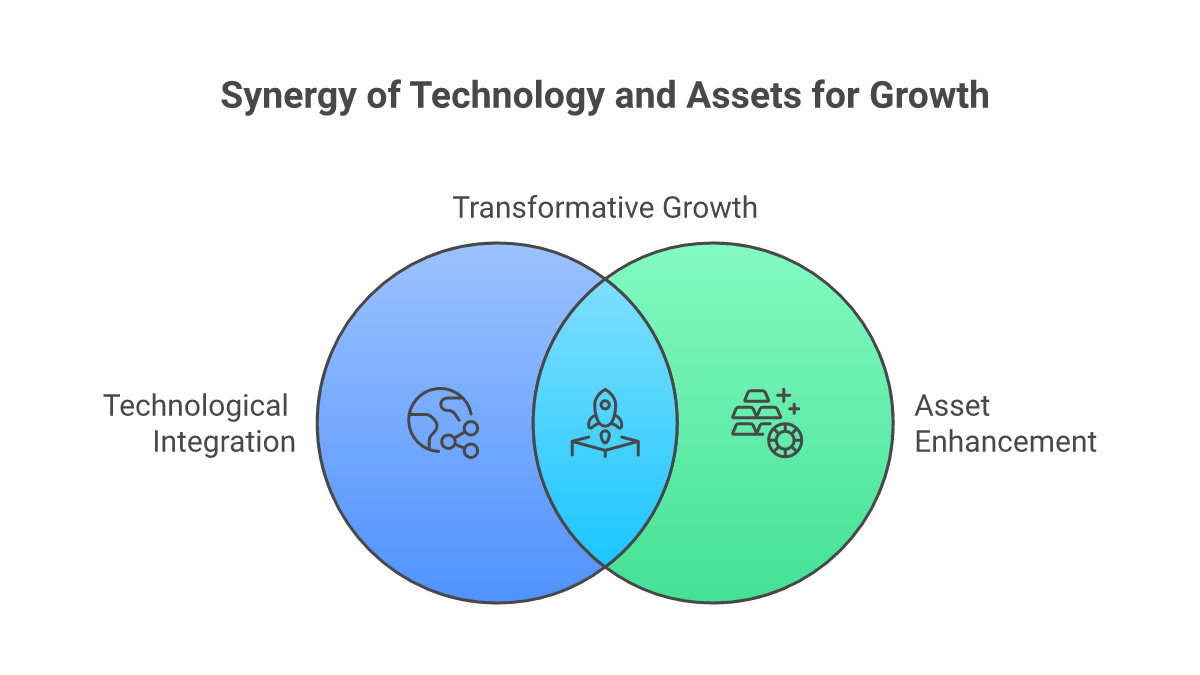
The gap where technology meets logistics real estate is now quantifiable, with highly automated facilities fetching rental rates 20-30% above the market norm. This premium reflects the growing clout of smart building systems, automated storage setups, and sophisticated warehouse management technology.

Technological Integration and Asset Enhancement - logistics real estate visualization
Technological Integration and Asset Enhancement

Investment in tech infrastructure within logistics properties reached €2.8 billion in 2025, marking a 45% rise since 2024. This injection of capital targets systems that boost operational efficiency, curb energy use, and heighten workforce productivity. Retrofitted facilities with smart lighting systems alone show energy savings averaging between 35% and 45%.

Data analytics capabilities now stand as a key differentiator, with facilities offering cutting-edge monitoring and optimization showing 15% higher tenant retention. The infusion of IoT sensors and real-time analytics empowers operators to fine-tune space use, foresee maintenance needs, and lower operational costs.

Automation readiness is emerging as a pivotal valuation driver, with properties capable of accommodating robotics and automated systems garnering higher premium values. Buildings with clear ceiling heights beyond 12 meters, reinforced floor load capacities, and plentiful power supplies show 25% greater appreciation compared to traditional warehouses.

Sustainability credentials exert growing influence over rent and occupancy stats. Buildings boasting BREEAM Excellence or LEED Gold accolades secure rent premiums of 8-12% and experience 30% less vacancy than their uncertified counterparts.

Future-Proofing Investments in Industrial Real Estate

Research shows that investing in flexible, adaptable buildings yields strong returns. Facilities capable of various configurations offer 40% swifter lease-up times and 15% more rental growth than single-use structures.

Energy efficiency upgrades provide especially convincing returns, with up-to-date energy management systems offering payback periods averaging 3.2 years and internal rate of returns surpassing 25%. In 2025 alone, solar panel installations on logistics facilities surged by 85%, propelled by climbing energy costs and tenant demands for green power.

Market Outlook and Strategic Recommendations

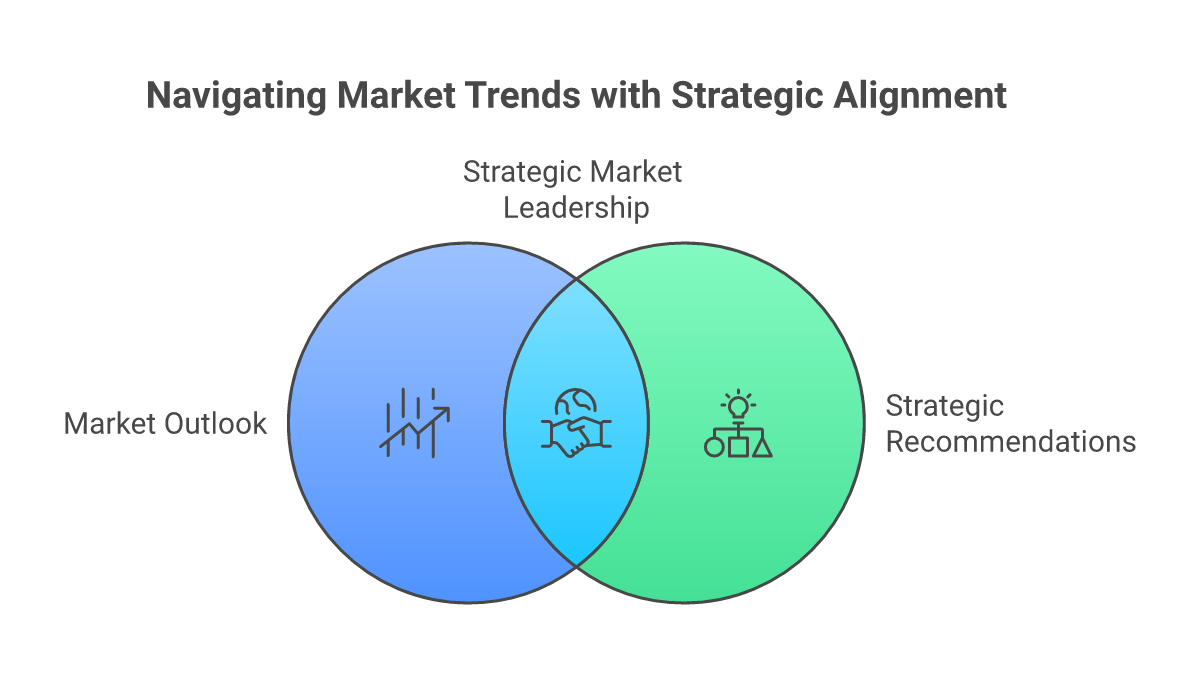
The European logistics real estate market is poised to sustain its growth trajectory until 2026, with anticipated investment volumes aiming for €35 billion annually. Prime yields are projected to stabilize around 4.5-5.0% in core markets, while secondary regions might present opportunities for better returns through value-add tactics.

Market Outlook and Strategic Recommendations - logistics real estate visualization
Market Outlook and Strategic Recommendations

The demand from occupiers remains steadfast, particularly for modern, conveniently located venues with excellent environmental credentials. Projections indicate yearly take-up rates reaching 25 million square meters by 2026, spurred by e-commerce expansion, changes in supply chains, and the rise of third-party logistics providers.

Development activities are predicted to stay sensible, with new supply focusing on established logistics corridors and upcoming hub areas. The pipeline stands at about 4% of the existing stock across Europe, ensuring ongoing rent hikes across most markets.

Environmental, social, and governance (ESG) factors will increasingly sway investment and development choices. Properties meeting top environmental benchmarks are likely to achieve 10-15% higher valuations and face 25% less risk of obsolescence compared to conventional assets.

Labor market trends will continue to shape location strategies, with operators increasingly open to paying premium rents for access to qualified labor pools.

Investment Implications

Core areas still offer steady returns, with prime logistics properties in major distribution centers providing dependable income streams and modest capital growth potential. Value-add opportunities exist in secondary locales where modern, well-specified facilities are in shortage.

Development risks are deemed manageable, given the robust pre-leasing activity and controlled supply channels. Build-to-suit scenarios offer particularly enticing risk-adjusted returns in markets where modern stock is limited.

Conclusion

The European logistics real estate market finds itself at an exciting juncture of growth and technological transformation. With investment volumes hitting €16 billion in the first half of 2025 and rental increases seen across major areas, the market’s core strength is evident. However, attaining success in this changing environment demands more than just conventional real estate acumen.

Players must embrace forward-looking strategies that anticipate changes in supply chain technology, sustainability mandates, and workforce preferences. The most successful will be those able to spot and harness the interplay of location benefits, technological strengths, and environmental performance.

As we look ahead to 2026 and beyond, the future for logistics real estate and commercial warehouse domains seems bright, supported by strong tenant demand, disciplined development activity, and ongoing shifts in retail and distribution models. The key to unlocking this potential lies in understanding and leveraging the market dynamics and strategic insights detailed here.

Comprehensive Guide to Warehouse Rentals in Slovakia: Market Analysis and Strategic Insights 2026

Comprehensive Guide to Warehouse Rentals in Slovakia: Market Analysis and Strategic Insights 2026

Late 2025 saw Slovakia’s industrial real estate sector hit a key juncture, with demand skyrocketing to 301,800 square meters , indicating a vibrant growth path. This isn’t just about numbers; it’s a significant reconfiguration of Central and Eastern European logistics networks. For businesses eyeing warehouse space (sklady na prenájom), grasping these dynamics is vital to make savvy leasing choices in 2026 and beyond.

Fresh market insights from CBRE and Cushman & Wakefield highlight Slovakia’s rising importance in the European logistics arena. With prime rental rates steady at €5.50 per square meter and a development pipeline featuring 318,565 square meters under construction , the market brings a mix of accessibility, modern infrastructure, and competitive pricing that demands thorough evaluation.

This detailed guide dives into Slovakia’s warehouse rental landscape, covering everything from strategic location choices to cost structures, aiding businesses in navigating the complexities of industrial real estate decisions. We’ll discover why major logistics firms are expanding their Slovak presence and how smaller companies can capitalize on the current market conditions to bag prime warehouse deals.

Through recent transactions, emerging trends, and future projections, we’ll deliver actionable insights for both newcomers to the Slovak market and established players wanting to enhance their logistics footprint. The world of industrial priemyselne priestory has shifted dramatically, and understanding these changes is key to selecting the right facility.

Current Market Dynamics and Key Trends in Warehouse Space Leasing

Entering 2026, Slovakia’s industrial real estate scene was booming, reflected by the Q4 2025 leasing activity of 301,800 square meters. That’s a whopping 25% increase from the previous quarter, showcasing the market’s resilience amidst global economic uncertainties. For businesses on the hunt for skladove priestory, this landscape presents both opportunities and challenges that call for astute navigation.

Current Market Dynamics and Key Trends in Warehouse Space Leasing - sklady na prenajom visualization
Current Market Dynamics and Key Trends in Warehouse Space Leasing

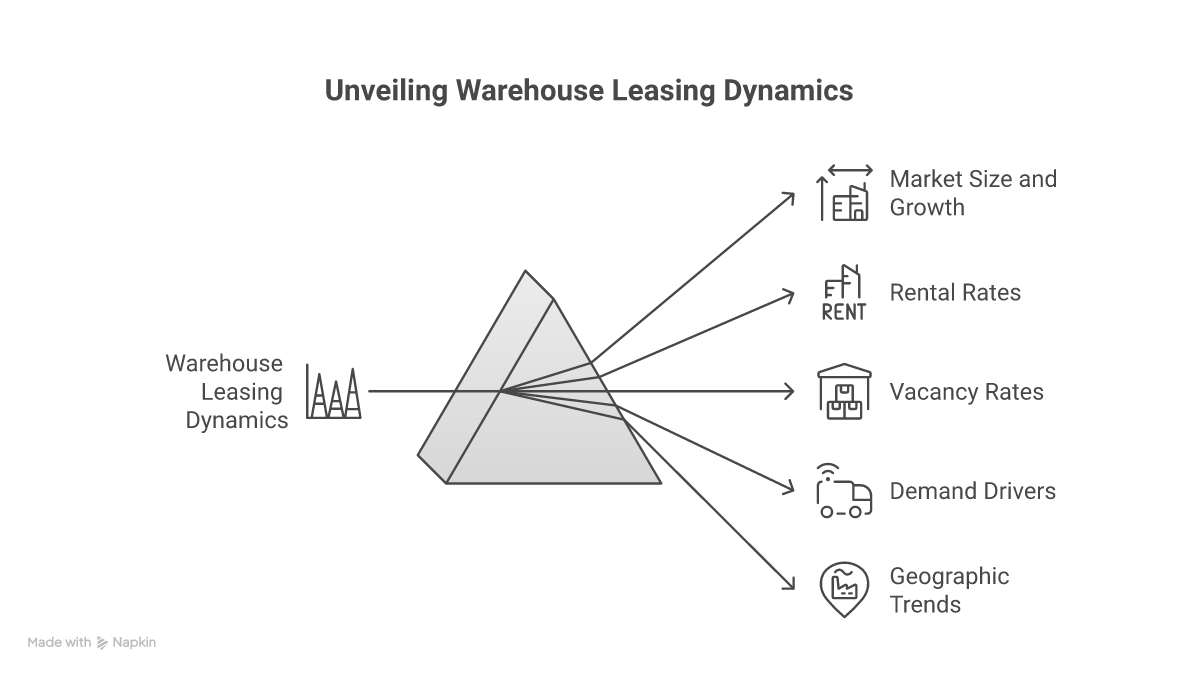
Vacancy rates unravel intriguing market dynamics. The national average hovers at 6.8%, but regional variations are noteworthy. Bratislava region, for example, reports a tight 4.2% vacancy, whereas eastern Slovakia’s emerging logistics hubs offer more space, with rates up to 8.5%. This geographical contrast opens doors for cost-savvy tenants open to secondary spots.

The construction scene is lively, with 318,565 square meters under development as of early 2026. Importantly, nearly half of the projects are speculative, signaling developers’ trust in enduring demand. This fresh supply is poised to maintain a healthy market balance while giving tenants more modern, efficient priestory na prenajom options.

Rental prices have held firm, with prime warehouse spaces fetching €5.50 per square meter monthly in top locales. However, prices range widely depending on location and specifications, from €3.80 in secondary sites to €6.20 for premium logistics spaces near major transport links. This spectrum offers flexibility for diverse business needs.

Tenant profiles keep shifting, with e-commerce and third-party logistics players (najom priestorov) spearheading 58% of leasing activity. Meanwhile, the automotive industry contributes 31% of deals, spotlighting Slovakia’s integral role in Europe’s automotive supply networks. This varied demand base bolsters market stability and encourages ongoing investment in facility quality.

Strategic Location Selection and Infrastructure Advantages

Situated at the nexus of European trade arteries, Slovakia offers warehouse operators distinct benefits. The nation’s infrastructure network, bolstered by 18,052 kilometers of maintained roads and its strategic location between Western Europe and fast-growing Eastern economies, lends itself to multiple effective priemyselne nehnutenosti strategies.

Recent investments have significantly boosted transport links, with €2.8 billion earmarked for road and rail upgrades through 2025. The D1 motorway extension has notably enhanced east-west logistics capability, cutting transit times between Bratislava and Košice by 18%. Such infrastructure developments directly enhance the appeal of warehouse locations.

Bratislava persists as the prime logistics hub, benefitting from its proximity to Vienna, Budapest, and Prague. The city’s warehouse cluster now surpasses 2.8 million square meters of modern space, with average occupancy costs 15-20% lower than similar setups in Western European capitals. This cost edge must be weighed against tighter vacancies and higher rent premiums.

Up-and-coming secondary markets warrant thorough consideration. Trnava, Nitra, and Žilina are witnessing substantial logistics growth, fueled by the automotive manufacturing sector and better infrastructure links. These areas provide rental rates 20-30% below Bratislava’s, still offering solid access to major markets.

For operations focused on cost, Eastern Slovakia is alluring. With the Košice region’s strategic spot near Hungarian and Ukrainian borders, companies serving Eastern Europe find compelling advantages. New developments here include state-of-the-art warehouse facilities at rental rates 35% less than in Bratislava.

Infrastructure and Connectivity Assessment for Logistics Spaces

Transport infrastructure quality hugely influences warehouse efficiency. Slovakia’s motorway network, though developing, ensures good connections to key European locales. Data indicates that 89% of industrial parks boast direct motorway access, with an average distance of 3.8 kilometers to the nearest interchange.

Rail infrastructure further enriches location choices. With 3,623 kilometers of railways and ongoing investment in intermodal terminals, rail-linked facilities offer strategic perks for certain operations. The Žilina-Teplička terminal, wrapped up in 2024, exemplifies the potential of rail-centric logistic setups.

Last-mile delivery imperatives are becoming essential for picking warehouse locations. Urban warehouses, though pricier, deliver significant upsides for e-commerce ventures. The average delivery radius from Slovak warehouses covers 2.1 million consumers within two hours, positioning the country as an effective regional hub.

Cost Structure Analysis and Rental Terms

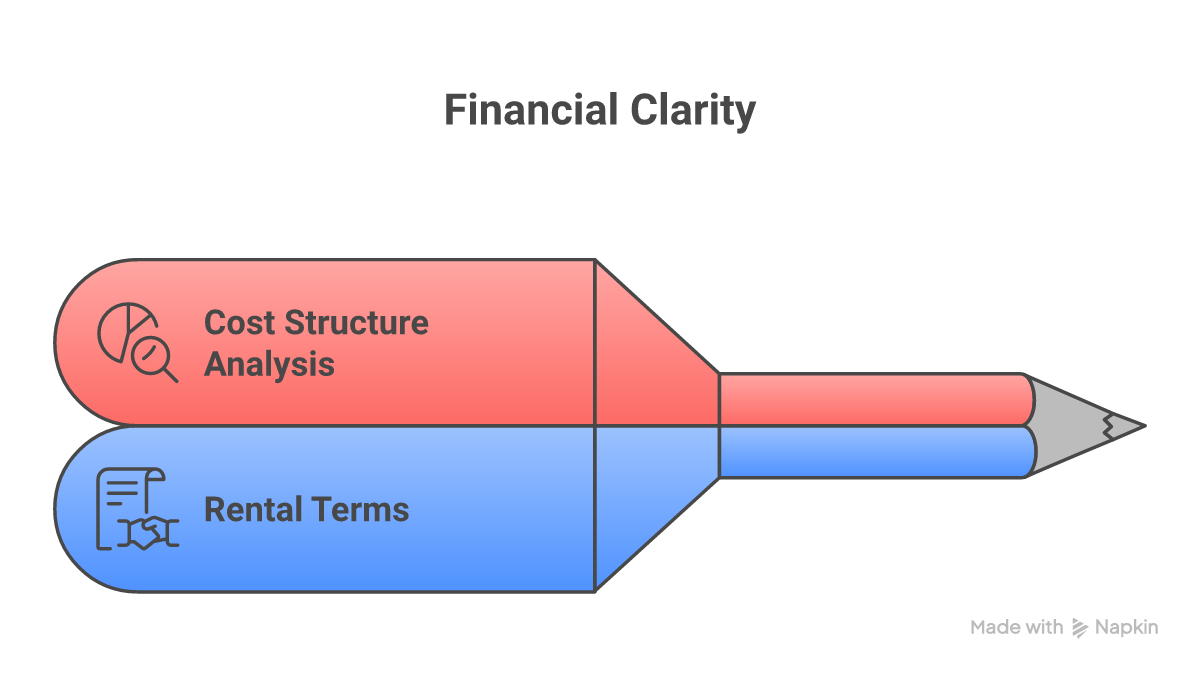
Total occupancy costs in Slovakia require a thorough understanding beyond basic rent figures. Prime warehouse costs stand at €5.50 per square meter monthly, but additional expenses can bump this up by 15-25%. Service charges, spanning €0.65 to €0.90 per square meter, encompass maintenance, security, and shared area operations.

Cost Structure Analysis and Rental Terms - sklady na prenajom visualization
Cost Structure Analysis and Rental Terms

Energy expenses play a pivotal role in warehouse management. Modern, energy-efficient buildings with solar installations bring operating cost savings of €0.30-0.45 per square meter monthly over older edifices. This gap should factor into total cost deliberations when weighing options.

Lease lengths in Slovakia typically span 3 to 7 years for standard warehouses, with extended terms available for build-to-suit projects. Rent indexing aligns with HICP inflation, with caps becoming more common in new contracts. Grasping these structural details aids in negotiating favorable deals.

Security deposits and bank guarantees generally fall between 3 to 6 months’ rent, with some wiggle room based on tenant credibility. While early termination clauses exist, they usually come with hefty fines unless hashed out during strong tenant market phases.

Incentive packages vary with location and market conditions. Trends show rent-free periods of 2-4 months per lease year for longer durations, while fit-out cost contributions range from €10-25 per square meter. These benefits need careful consideration in overall occupancy cost assessments for sklady na prenajom.

Technical Specifications and Facility Standards

Modern Slovak warehouses adhere to high technical norms, featuring clear heights of 10 to 12 meters in standard units. Premium logistics facilities push to 14 meters, optimizing cubic storage. Floor loadings typically range from 5 to 7 tonnes per square meter, fitting most industrial uses.

Energy efficiency has become critical, with new builds aiming for BREEAM ‘Very Good’ or higher. Solar panels are commonplace, with many sites generating 15-25% of energy needs in-house. This trend complements corporate sustainability while trimming operating costs.

Column spacing often adheres to a 12×24 meter grid, though modern sites offer wider spans for added flexibility. Dock levelers feature at ratios of 1:800 to 1:1000 square meters, with drive-in doors tailored to specific operational needs.

Fire safety standards meet European norms, with ESFR sprinkler systems prevalent in new sites. Insurance demands shape these technical specs, especially for specific goods storage.

Office spaces within warehouses typically use 5% to 7% of total area, with expansion options available. Modern facilities increasingly include staff amenities like canteens and rest zones, highlighting the significance of workforce retention in competitive sectors.

Market Entry Strategy and Negotiation Approaches

Securing warehouse space in Slovakia requires a strategic market entry approach. Initial market research should cover both existing and upcoming options, as aligning timing can greatly affect selection and bargaining leverage.

Working with local market experts proves invaluable, as many opportunities aren’t widely advertised. These professionals often have ties with multiple developers and can provide comparative insights across various projects and locales.

Timing is key in negotiations. Current trends indicate procurement timelines of 4-6 months for existing spaces and 12-18 months for tailor-made projects. Understanding these timelines aids in planning a market entry effectively.

Meticulous technical due diligence is essential, especially for older properties. Evaluating building systems, maintenance records, and energy performance is crucial. Environmental factors, such as soil conditions and flood risks, also demand attention.

Negotiation strategies should align with market cycles and regional differences. Current conditions support varied methods in prime versus secondary markets, with more flexibility in high vacancy areas.

Legal and Administrative Considerations

Slovakia’s commercial lease laws align with continental European standards, with specific clauses for industrial properties. Knowing these legal frameworks aids in securing favorable lease terms and protecting tenant interests.

Administrative tasks include necessary permits and registrations, particularly for certain industrial activities. Engaging early with authorities helps prevent delays in facility use and operation start-up.

Environmental compliance is evolving, with a growing emphasis on sustainability and energy efficiency. New regulations may impact both current operations and future plans, demanding careful thought in long-term lease agreements.

Future Market Outlook and Trends for Commercial Storage Spaces

The outlook for Slovakia’s warehouse market remains optimistic through 2026 and beyond. Development data indicates ongoing supply growth, with 318,565 square meters presently in construction and more projects in planning.

Future Market Outlook and Trends for Commercial Storage Spaces - sklady na prenajom visualization
Future Market Outlook and Trends for Commercial Storage Spaces

The rise of e-commerce continues to drive demand, with online retail expected to reach 16% penetration by 2027. This supports ongoing investments in cutting-edge logistics facilities, particularly for last-mile delivery operations.

Sustainability is set to shape facility specs and operations increasingly. New developments focus on energy efficiency, renewable energy use, and minimizing environmental impact, fitting corporate ESG goals.

Technology’s role becomes more pivotal, with automation systems and digital infrastructure impacting facility design and specs. Modern warehouses integrate provisions for robotics and automated storage systems increasingly.

Regional growth patterns hint at continued expansion in secondary markets, bolstered by infrastructure upgrades and cost benefits. This trend could present opportunities for tenants pursuing economical alternatives to prime spots.

Conclusion and Strategic Recommendations

Slovakia’s warehouse market offers numerous opportunities for businesses seeking logistics solutions in Central Europe. Current conditions provide a balanced stage for tenant negotiations, with options across various location and specification categories.

Strategic success in acquiring warehouse space hinges on thorough location analysis, comprehensive technical due diligence, and understanding total occupancy costs. Partnering with seasoned local market advisers aids in navigating complexities and uncovering opportunities efficiently.

Companies entering or expanding in Slovakia should weigh both immediate needs and long-term flexibility. The current development stream offers chances to secure modern, efficient facilities in line with emerging operation demands and sustainability targets. For those seeking prenajom skladov, the time is ripe to negotiate favorable terms while ensuring facilities meet evolving business requirements.

Slovakia’s Economic Evolution: A Strategic Analysis of Growth, Challenges, and Opportunities

Slovakia’s Economic Evolution: A Strategic Analysis of Growth, Challenges, and Opportunities

Navigating the intricate web of global economics in 2026, Slovakia finds itself at a significant crossroads. While a 1.9% GDP growth seems modest, there’s a deeper narrative unfolding beneath these figures. Situated at a crucial junction between East and West, Slovakia’s economic development is far from straightforward. Investors and policymakers must dive deeper into the Slovakia economy to truly grasp the opportunities and risks lurking beneath the surface.

The impact of Slovakia’s economic trajectory resonates well beyond its national borders. As one of the EU’s most export-reliant nations, with a staggering trade-to-GDP ratio of over 160%, Slovakia’s performance is a reflection of the broader European industrial health. According to recent reports from the Slovak Statistical Office, this interconnectedness is a double-edged sword, presenting both opportunities and vulnerabilities in a world where global trade is increasingly unpredictable.

In this analysis, we’ll explore what drives Slovakia’s economy—from its powerhouse automotive industry to burgeoning digital sectors. We’ll look into how structural reforms, strategic investments, and the deployment of EU funds are reshaping Slovakia’s competitive edge in Central and Eastern Europe.

Grasping these dynamics is vital as Slovakia adapts to new economic realities, such as evolving global supply chains, the green transition, and digital transformation. Let’s dive into the data that decision-makers need most.

Macroeconomic Performance and Slovakia Economic Indicators

In 2025, Slovakia’s economy showcased its grit, expanding by 2.1% with the GDP reaching €104.4 billion in constant prices, according to official reports . This increase, although smaller than pre-pandemic growth, signals a slow but steady adaptation to the new global order. The Slovak Ministry of Finance forecasts that this trend will continue, albeit with tempered expectations.

Macroeconomic Performance and Slovakia Economic Indicators - slovakia economy visualization
Macroeconomic Performance and Slovakia Economic Indicators

Historically the bedrock of Slovakia’s economic growth, industrial production is undergoing transformation. The automotive sector, contributing 13% of GDP and almost half of industrial exports , is at a pivotal shift point. While traditional vehicle output decreased by 3.2% last year, electric vehicle production jumped by 28%, signifying a critical move towards eco-friendly mobility.

Domestic consumption also tells a promising story, with a 2.4% increase in household spending in the last quarter of 2025. Consumer demand remains resilient thanks to a strong labor market and real wage growth of 1.8%. Retail sales outdid predictions, with a 3.1% annual hike in sales volumes.

Recovery in investment activity is prominent, spurred by EU fund utilization and the Recovery and Resilience Plan (RRP). Public investment hit 4.2% of GDP in 2025, reaching a high not seen since 2010. Private sector capital formation also saw a lift, with manufacturing investments rising by 15%, especially in automation and digital tech areas.

The labor market holds steady, with unemployment at 5.8% late in 2025 , although regional differences persist. The eastern areas still struggle with almost double the unemployment rate compared to the national average, necessitating targeted initiatives for regional development.

External Trade and Competitiveness

Slovakia’s exports highlight its deep-rooted integration with European value chains. In 2025, total exports reached €89.7 billion, with the EU making up 78% of this figure. However, the nation’s heavy dependence on automotive and electronics sectors makes it vulnerable to global market swings.

External Trade and Competitiveness - slovakia economy visualization
External Trade and Competitiveness

The trade balance is showing subtle shifts in Slovakia’s external stance. Despite maintaining a positive balance of €2.1 billion in 2025, it has narrowed compared to previous years. This reduction is largely due to increased energy import costs and temporary hiccups in automotive supply chains.

Competitiveness indicators are mixed. Labor productivity grew by 2.3% in 2025, outpacing wage growth and preserving cost competitiveness. Yet, innovation lags, with R&D spending at only 0.8% of GDP, compared to the EU’s average of 2.3%.

Foreign direct investment (FDI) remains solid, bringing net inflows of €2.8 billion in 2025. The manufacturing sector continues to attract 45% of new investments, followed by shared service centers and IT services at 28%. This shift indicates a slow economic transformation beyond traditional industries.

Efforts to diversify export markets are beginning to pay off, with non-EU markets taking up 22% of exports in 2025, up from 18% in 2020. Emerging markets in Asia and North America offer growth opportunities for Slovak businesses, reflecting in the broader Slovakia export statistics.

Fiscal Position and Monetary Stability

Slovakia’s fiscal policy walks a tightrope, balancing growth support with sustainability. The budget deficit reached 4.1% of GDP in 2025, and public debt at 58.3%. Though high, these figures stay within manageable limits under EU fiscal rules.

Tax revenues exceeded forecasts in 2025, thanks to better collection efficiency and economic recovery. VAT collection efficiency improved by 5.2 percentage points, and corporate tax revenues increased by 8.3% annually, indicating healthier business profits.

Public investment execution improved, with EU fund absorption rates reaching 76% for the 2021-2027 programming period. The Recovery and Resilience Plan hastened, with 42% of allocated funds committed by the end of 2025.

Monetary policy, guided by the ECB, supports growth while managing inflation. Consumer price inflation eased to 3.2% by the end of 2025, although core inflation remains a bit sticky at 2.8%.

Indicators of financial sector stability are reassuring, with banks maintaining average capital adequacy ratios of 19.2% and non-performing loans at just 2.1% of total lending. Credit growth to the private sector continues at a steady 5.4% annual rate.

Structural Reforms and Development Priorities

Slovakia’s reform agenda targets fundamental competitiveness challenges. The government prioritizes modernizing the education system, boosting funding for technical education and digital skills training. Early results from 2025 show a 15% rise in enrollments in IT and engineering courses.

Infrastructure keeps improving, with major investments in transport networks. Completed highway segments enhance connectivity with neighbors, while digital infrastructure boosts high-speed internet to 92% of households.

The energy sector is transforming, with renewables contributing 18.5% of total energy consumption in 2025. Investments in grid upgrades and energy storage facilities support the transition to a cleaner energy mix.

Digital government services advanced, with 65% of the administration now available online. This shift reduces business administrative burdens, shortening company registration times from 12 days in 2023 to just 7.

Innovation ecosystem development remains critical, with new initiatives supporting tech startups and R&D collaboration. There was a 28% increase in tech startups in 2025, and industry-academia partnerships grew by 35%.

Regional Development and Social Cohesion

Regional economic disparities stand as a tough issue. While Bratislava’s GDP per capita hits 129% of the EU average, the east barely reaches 60%. Targeted programs are in place to bridge these gaps through infrastructure investments and business support.

Labor mobility shows improvement as inter-regional workforce movement rose by 12% in 2025. Better transport links and the adoption of remote work are enhancing labor market matches across different areas.

Social indicators present a mixed picture. Absolute poverty remains low at 2.8%, but relative poverty persists at 12.3%. The Gini coefficient shows income inequality at 24.8 in 2025—a bit below the EU average but trending slightly upward.

Housing affordability is a rising issue, especially in economic hubs. House prices surged by 8.2% in 2025, outpacing wage growth and creating challenges for young professionals and families.

Educational outcomes vary regionally, with eastern areas lagging national averages by 8-12% in PISA scores. Targeted support programs look to close these gaps by deploying more resources and specialized teaching strategies.

Future Outlook and Strategic Recommendations

Looking forward, Slovakia’s economic forecast for 2026-2027 is cautiously optimistic, with GDP growth expected to stabilize at around 2.3% per year. This reflects a mix of external challenges and domestic change.

Future Outlook and Strategic Recommendations - slovakia economy visualization
Future Outlook and Strategic Recommendations

Investment should focus on accelerating digitalization and the green agenda. The EU’s Digital Decade and Green Deal offer frameworks for strategic investments, backed by significant funding from EU programs.

Addressing workforce challenges requires ongoing attention to skill mismatches and demographic trends. Expanding vocational training and welcoming skilled migrants can alleviate labor market pressures.

Building innovation capacity demands increased focus, tapping into Slovakia’s industrial strengths in emerging tech fields. Strengthening research bodies and technology transfer systems can facilitate this transformation.

Refining regional development strategies to capitalize on local strengths while ensuring balanced growth across Slovakia is crucial. Approaching smart specialization alongside infrastructure investments can help decrease regional inequalities.

Conclusion

Amidst global uncertainties, Slovakia’s economy remains resilient, with strong fundamentals to support ongoing growth. Successfully tackling current challenges will hinge on maintaining momentum in reforms while seizing new opportunities in digital and green sectors.

Policymakers and investors should focus on boosting innovation capabilities, addressing regional disparities, and enhancing human capital. These efforts are key to sustaining competitiveness in a shifting global economy.

Looking ahead, Slovakia’s economic triumph will hinge on its ability to transform core industrial strengths while building new advantages in emerging sectors. The groundwork for this transformation is laid, but persistent reform and investment are vital to fully unleash Slovakia’s economic potential amidst ever-changing market trends.

Maximizing Returns with Warehouse Automation: A Comprehensive Guide

Maximizing Returns with Warehouse Automation: A Comprehensive Guide

The global warehouse automation market, anticipated to hit $26.5 billion by 2024, is on an incredible journey of growth, with a yearly surge of 15.9% expected until 2034. Yet, beyond these figures lies an essential narrative: how businesses can effectively navigate warehouse automation to secure solid ROI. With the potential market size soaring to $91.0 billion by 2033, the real question isn’t about automating or not—it’s about mastering the strategy to maximize returns.

There’s never been a more pressing time to consider warehouse automation. As labor shortages throw a wrench into operations and customer demands for quicker deliveries rise, the pressure’s on. Many businesses find automation implementation challenging, with research indicating that up to 40% of projects don’t meet expected returns. Grasping the critical success factors and pitfalls is vital for any business investing in warehouse automation.

This detailed guide explores the nuts and bolts of implementing warehouse automation, honing in on strategies that deliver tangible ROI. From assessing your starting point and choosing the right tech to rolling it out step-by-step and tweaking for best performance, we’ll see how companies can revamp their warehouses while maintaining financial strength.

By diving into real-world examples and industry data, we’ll give businesses at any stage of the automation game actionable insights. Whether you’re just starting to ponder automation or you’re optimizing what’s already there, this guide’s got the informed decisions to boost your sustainable ROI.

The Evolving Warehouse Automation Market and Intelligent Systems

Warehouse automation has come leaps and bounds from its basic conveyor belt days. Today, we’re talking about a vast array of technologies, from autonomous mobile robots (AMRs) to AI-driven warehouse management systems (WMS). As of 2024, North America takes the lead, snapping up about 27% of worldwide automation investments, largely due to its need for cutting-edge manufacturing and quick Industry 4.0 adoption.

Data paints a clear picture of changing automation priorities. While the old focus was mainly on material handling, modern solutions aim at holistic operational efficiency. Software-driven automation is the frontrunner, with WMS and inventory systems booming at an impressive 18.7% annual growth rate between 2024 and 2030, mirroring the industry’s shift towards integrated, data-led automation strategies.

Rising labor costs are a major catalyst for automation. With wages in warehouses growing by about 8% each year since 2020, the case for automation investment strengthens. A McKinsey study finds automated warehouses slash labor costs by 40-50% and boost throughput by 25-35%.

Tech stacks have become more accessible, thanks to cloud solutions and robotics-as-a-service (RaaS), slashing initial investment needs and making automation feasible for mid-sized operations. In just five years, the average cost for basic systems has dropped by 27%, while their capabilities keep expanding.

E-commerce growth constantly reshapes automation requirements. As online retail sales are set to surpass $6.3 trillion worldwide by 2024, warehouses must tackle higher volumes of smaller, more frequent orders. This change has sparked developments in piece-picking automation, with AI systems achieving accuracy rates over 99.9%.

Evaluating Readiness for Automation and ROI Potential

Before diving into automation, companies should carry out thorough readiness assessments to pinpoint areas with the greatest ROI potential. Research suggests those who conduct detailed pre-assessments see 30% higher returns than those who rush into automation decisions.

Kick things off by analyzing current operational metrics. Top companies track KPIs like order accuracy (hovering around 96% in manual operations), picking speed (usually 60-80 lines per hour), and labor costs per order (ranging between $2.50 and $5.00 in non-automated setups). These give a solid baseline to calculate possible ROI.

Mapping out processes reveals automation chances often missed in initial scans. Studies show that 65% of warehouse tasks hold automation potential, but the highest ROI comes from zoning in on specific processes rather than aiming for full automation. For instance, automated storage and retrieval systems (AS/RS) typically show ROI in 2-3 years when suited to facility needs.

Financial calculations should consider direct and indirect perks. While cutting labor costs often leads ROI calculations, other benefits like better accuracy (leading to 25-35% fewer returns), increased storage capacity (up to 85%), and better throughput (40-50% boost) significantly affect overall returns. McKinsey suggests these extra benefits can jazz up ROI forecasts by 40-60%.

Infrastructure readiness is vital for a smooth implementation. Technical evaluations should assess power systems, flooring, ceiling heights, and wireless networks. Companies investing in infrastructure prep report 25% fewer delays and hit ROI targets 40% quicker than those needing major fixes during deployment.

Choosing Technologies and Crafting Strategies for Efficient Warehousing

Picking the right technologies involves a balance between current needs and future growth. LogisticsIQ research suggests modular automation solutions outperform monolithic systems by 35% in ROI, thanks chiefly to their adaptability to shifting business needs.

Goods-to-person (GTP) technologies are high-ROI stars, with setup costs spanning $2-5 million but offering payback periods of 18-24 months for high-volume outfits. Productivity jumps of 200-300% are linked to these systems compared to traditional picks, with walking times cut by up to 65%.

Autonomous mobile robots (AMRs) are another hot area for high returns. With costs per AMR now between $25,000-40,000, they’re within reach for mid-sized businesses. Companies employing AMR fleets see labor costs fall by 40-50% in picking—it takes about 12-18 months to break even in multi-shift environments.

Software integration abilities greatly affect ROI timelines. Warehouse Management Systems (WMS) integrating smoothly with automation systems speed up implementations by 30-40% and raise system efficiency by 25%. Modern WMS platforms with built-in automation modules reach ROI in 6-12 months, thanks to better inventory accuracy and trimmed processing times.

Phased rollouts consistently trump big-bang approaches in ROI terms. Organizations with phased strategies report 45% fewer disruptions and secure positive returns 30% faster than those going all out at once. This method lets firms fine-tune initial rollouts before expanding automation.

Essential Success Factors for Implementing Automated Warehousing

Engaging employees and providing training are critical to successful automation. Businesses dedicating a minimum of 15% of their automation budget to training hit ROI goals 40% faster than those investing under 5%. Comprehensive training slashes system downtime by 60% and boosts productivity by 25% during early operations.

Change management strategies play a crucial role. Organizations with formal change management programs report 70% higher user adoption rates and achieve ROI goals 35% sooner than those without structured plans. This includes clear communications, stakeholder engagement strategies, and recorded transition procedures.

Managing Costs and Tracking Returns

Effective cost management throughout implementation requires meticulous tracking of both direct and indirect expenses. Leading firms establish project management offices (PMOs) to oversee costs and benefits, resulting in 25% better budget adherence and 30% quicker ROI achievements.

Regular ROI reviews and optimization checks help pinpoint adjustments. Quarterly performance reviews allow companies to tweak system configurations and workflows, boosting returns by an extra 15-20% in the first operational year. This ongoing optimization is becoming standard among industry pacesetters.

Successful Implementation Case Studies

A major retail distribution center took a phased automation approach, starting with AMRs for picking. An initial outlay of $4.2 million saw ROI within 14 months, achieved through a 45% cut in labor costs and a 60% uptick in picking accuracy. Success bred expansion in subsequent phases, each building on value delivered.

An e-commerce fulfillment operation rolled out goods-to-person tech in a strategic zone-based setup. A $3.8 million investment broke even in 16 months, with a 250% boost in picking productivity and a 65% reduction in training time for new staff. The system’s modular design made expansion easy as volume increased.

A 3PL provider implemented AMRs and automated storage systems, investing $7.5 million across three phases. Each phase yielded ROI within 18 months, resulting in a 40% cost reduction, 85% space-use improvement, and a 30% boost in throughput capacity.

These implementations highlight shared success factors: clear ROI targets, phased approaches, robust change management, and continuous optimization programs. They illustrate how smart planning and execution can yield sustainable returns while transforming warehouse operations.

The Future of Warehouse Automation and Its ROI Implications

New technologies are reshaping ROI calculations in automation. AI and machine learning are slashing implementation costs while enhancing system performance. Early AI adopters report returns 20-30% better than traditional setups.

Cloud-based automation platforms are gaining ground, offering reduced initial costs and quicker implementation. These solutions deliver ROI 30-40% faster than older on-premise systems, while offering more flexibility for scaling and adaptation.

Robotics-as-a-service (RaaS) models are transforming financial calculations for automation projects. These subscription-based approaches cut capital requirements by 60-70% while delivering positive ROI through operational savings. RaaS adoption is set to grow by 25% annually by 2028.

Integrating IoT sensors and real-time analytics is boosting automation performance. Facilities using IoT-enabled systems report ROI 15-25% better compared to standalone systems, thanks to predictive maintenance and dynamic optimization.

Sustainability is increasingly shaping automation decisions. Energy-efficient systems show 10-15% better long-term ROI, considering rising energy costs and environmental compliance. This trend will intensify as sustainability becomes central to business strategy.

Conclusion and Recommendations

Strategizing for sustainable ROI is essential for successful warehouse automation. The numbers prove careful planning, phased deployment, and ongoing fine-tuning give the best return. Organizations need to balance immediate operational needs with future growth, keeping their sights on measurable financial outcomes.

If you’re considering warehouse automation, start with deep operational assessments, opt for modular tech that allows for growth, and build strong change management programs. Regularly track ROI and optimize systems, supported by comprehensive training and engaging employees.

As automation tech and logistics evolve, staying flexible in strategy while focusing on proven ROI drivers is crucial. Companies embracing these practices and staying alert to new tech and market trends will secure sustainable returns on their automation investments.

The Future of Last Mile Delivery: Transforming Urban Logistics Through Innovation and Sustainability

The Future of Last Mile Delivery: Transforming Urban Logistics Through Innovation and Sustainability

The last mile delivery market is poised on the brink of a fascinating shift. According to research by Technavio, the sector is expected to balloon by USD 60.82 billion between 2024 and 2028. What sets this growth apart is a fundamental change in how goods are delivered to urban customers. With environmental factors, tech advancements, and shifting consumer expectations all in the mix, the last mile delivery space is packed with both challenges and opportunities.

Cities are feeling the squeeze from heightened e-commerce activity, with over 60% penetration in developed areas. This has led to a rise in urban traffic and environmental pressures. The World Economic Forum’s 2024 report highlights that delivery vehicles now constitute 21% of urban traffic , raising issues of congestion and emissions that need immediate solutions.

We’ll take a closer look at how innovation is transforming last mile logistics, exploring new technologies, sustainable methods, and strategies that companies are using to tackle these hurdles. We’ll also delve into how today’s solutions are adapting to meet tomorrow’s demands, striving for a balance between efficiency, sustainability, and keeping customers happy in the world of e-commerce logistics.

From self-driving delivery robots to AI-driven route planning and micro-fulfillment centers, the world of last mile delivery is evolving rapidly. Keeping up with these changes is crucial for delivery firms, retailers, and urban developers aiming to build more effective, eco-friendly, and resilient delivery systems.

Current State of Urban Delivery Challenges

The urban landscape for deliveries in 2024 is a tangled web of challenges. INRIX’s Global Traffic Scorecard painted a grim picture, with a 15% rise in congestion from 2023, delivery trucks being major contributors. In bustling cities like Istanbul, drivers face a loss of around 105 hours yearly due to traffic jams—bad news for efficiency and delivery costs.

Concerns about the environment are growing. According to the World Economic Forum, urban freight currently makes up 25% of city carbon emissions and 30% of air pollutants. If these trends continue, emissions are likely to go up by 32% by 2030, calling for sustainable pathways.

Infrastructure gaps are another bump in the road. With e-commerce booming at a 12% annual rate, current infrastructure is buckling under the pressure. Loading zones designed for a bygone era now operate at 147% capacity during busy times in big cities.

Cost pressures don’t let up either. The average delivery cost jumped by 18% in 2024, as fuel, labor, and compliance costs are climbing. These are tough to balance when customers expect free or cheap standard delivery.

Labour shortages add to the woes. Surveys indicate a 27% shortfall in urban delivery roles, hitting the last mile operations the hardest where knowing the local scene and human touch still play a key role despite tech advances.

Technological Solutions Transforming Last Mile Delivery

The forefront of last mile delivery transformation is dominated by Artificial Intelligence and Machine Learning. Using complex algorithms, logistics companies can optimize routing, cutting delivery times by 23% and fuel use by 17%, based on recent data from major players in the industry.

Autonomous vehicles are moving from testing to reality. This year, more than 1,200 delivery robots are active in urban areas globally, spearheaded by big names like Amazon and FedEx. They’ve managed a 31% cut in delivery expenses on optimal routes with a near-perfect delivery rate of 99.3%.

IoT devices and real-time tracking have overhauled visibility in deliveries. With 85% of clients now expecting live updates, IoT offers essential transparency. Systems integrating weather, traffic, and historical data hit a whopping 96% accuracy in predicting delivery times.

Predictive tools are helping anticipate delivery needs and manage resources better. Analyzing past data combined with weather and local activities, these systems boast 89% accuracy in forecasting daily delivery volumes, improving scheduling efficiency.

Modern delivery operations rely on cloud solutions as their backbone. These platforms sift through about 1.2 million data points per urban center every day, allowing for quick tweaks and optimization across vast delivery networks.

Sustainable Practices in Last Mile Logistics

Electric vehicles are making significant inroads into delivery fleets. Big delivery players indicate that 35% of their urban fleets are electric, with a goal to hit 75% by 2028. This shift has cut carbon emissions per delivery by 42% in areas where EV infrastructure is robust.

Micro-fulfillment centers have emerged as game-changers in sustainable delivery. Sized between 15,000-20,000 square feet, they slash vehicle miles by 62% compared to traditional centers. Cities with these centers report a 27% drop in delivery emissions.

Green packaging is making strides in reducing environmental footprint. Reusable packaging initiatives by big e-commerce firms have seen success, eliminating 12,000 tons of single-use packaging in 2024. When prompted correctly, over 45% of customers engage with these programs.

Bicycles and cargo bikes are becoming popular in bustling city centers. They now handle 28% of urban deliveries, cutting emissions and keeping traffic light compared to larger vehicles, besides delivering 34% quicker during peak hours.

Combining deliveries from multiple sellers is another innovative strategy. This method reduces vehicle trips by 41% while maintaining efficient delivery windows, greatly benefiting historic city centers with restricted vehicle access.

Infrastructure and Urban Planning Solutions for Smart Cities Logistics

Smart loading zones, equipped with IoT sensors, are more effectively managing urban delivery areas. These systems, now in 47 major cities, cut parking search times by 37% and double the number of deliveries possible per hour in a loading zone.

Urban consolidation centers serve as vital infrastructure. Averaging 50,000 square feet, these hubs consolidate shipments, allowing for fewer, more efficient routes. This has led to a 30% dip in delivery vehicle movements in downtown areas.

Systems for dynamic curb management are revolutionizing how space is utilized. Using apps and real-time data, these systems improve curb space use by 78% during peak times and cut double-parking by 54%.

The growth of multi-modal delivery infrastructure is accelerating. Cities focusing on bike lanes and micro-mobility corridors see a 45% uptick in alternative delivery modes, leading to less traffic congestion.

Though still emerging, underground delivery networks are showing results in early tests. Cities trialing these systems report an 89% drop in surface-level delivery traffic in areas covered, though cost remains a hurdle.

Operational Strategies for Enhanced Efficiency

Dynamic routing algorithms are getting smarter, incorporating real-time traffic, weather, and historical data to find the best delivery paths. Users of these systems report a 28% boost in on-time delivery and a 23% cut in fuel costs.

Time-slot management is smoothing out delivery schedules. By offering incentives for deliveries at less busy times, companies boost vehicle usage by 31% and cut rush-hour traffic by 27% in cities.

Cross-docking simplifies logistics by reducing time goods spend in storage. Modern facilities handle packages within 2.4 hours of arrival, cutting handling costs by 42% over traditional methods.

Crowd-based delivery solutions offer flexibility during peak times. These networks manage 18% of urban deliveries when demand is high, cutting costs by 45% compared to additional dedicated capacity.

Integrated delivery management systems streamline operations across multiple carriers and delivery modes. Companies using these setups see a 34% improvement in delivery density and a 29% drop in missed deliveries.

Customer Experience and Same-Day Delivery Communication

Real-time tracking and communication tech are crucial for successful last mile delivery. Businesses offering precise delivery windows and live tracking score 67% higher in customer satisfaction and handle 42% fewer service queries.

Investment in alternative delivery locations continues, with smart lockers and pickup points now within a 10-minute walk for 78% of city dwellers. This drastically reduces missed deliveries by 91% and slashes costs by 35%.

Letting customers manage their delivery preferences is vital for a personalized experience. By enabling detailed preferences, companies achieve 82% success on first delivery attempts and lower returns by 23%.

Regulatory Compliance and Safety Measures

Zero-emission zones now affect 42% of last mile deliveries in large European cities. Companies have adapted by expanding their electric fleets, achieving 95% compliance without sacrificing service quality.

Safety standards for both autonomous and traditional delivery vehicles are becoming more sophisticated. Firms using advanced driver-assistance technologies report a 45% fall in accidents and 38% lower insurance costs.

Data protection is more crucial than ever. Logistics providers allocate about 12% of their IT budgets to safeguarding customer data and ensuring compliance with privacy regulations.

Future Trends and Innovations in Last Mile Logistics

Drone delivery services are breaking out of the experimental phase, thanks to evolving regulations in key markets. Operators of drone systems report a 71% decrease in delivery costs for suitable routes and a stunning 94% reduction in delivery times for remote areas.

Quantum computing is starting to show its potential in optimizing complex delivery routes, promising a 40% improvement over traditional computing methods in certain scenarios.

Blockchain is transforming supply chain transparency. Firms employing blockchain technology notice 89% better traceability and reduce paperwork processing time by 65%.

Augmented reality is changing the game for warehouse logistics. Workers guided by AR tech achieve 43% greater accuracy and 27% faster processing compared to conventional methods.

Edge computing near delivery zones shortens data delays by 82%, helping autonomous vehicles and dynamic routing systems make real-time decisions efficiently.

Market Evolution and Competition

Traditional logistics firms are facing stiff competition from tech-forward startups. These newcomers, many focusing on niche delivery needs, have already carved out a 23% market share in city areas.

Partnerships are reshaping the sector, with 67% of successful operations relying on multi-partner collaborations. These partnerships optimize resource use and expand service offerings.

Investment in last mile technology soared to $12.8 billion in 2024, with 45% funneled into sustainability and 35% toward automation.

Conclusion

The shift in last mile delivery solutions stands as a major challenge and opportunity in logistics today. With the market forecasted to hit $300.5 billion by 2030, striking a balance between efficiency, eco-friendliness, and customer satisfaction is crucial in increasingly crowded urban landscapes.

Thriving in this shifting space requires a blend of tech innovation, green practices, and operational finesse. Investing in flexible and scalable last mile solutions while prioritizing sustainability and customer needs is essential.

Looking forward, the synergy of new technologies and sustainable efforts will define industry frontrunners. The companies that manage to seamlessly integrate these aspects while navigating urban and regulatory shifts will be the ones to harness the potential of the burgeoning last mile delivery sector.

Strategies for Navigating Last Mile Delivery Challenges

Strategies for Navigating Last Mile Delivery Challenges

The global market for last mile delivery is on the brink of an impressive transformation. According to industry forecasts, this market is set to soar from $168.98 billion in 2024 to an incredible $355.06 billion by 2033, reflecting a robust CAGR of 8.6% read more . This growth trajectory signifies not just vast opportunities but also highlights the intricate challenges that logistics operators face, particularly in the last mile, known as the most costly and complex segment of the supply chain.

As urbanization progresses, with 68% of the world’s population expected to congregate in cities by 2050 , the last mile delivery faces unique pressures. It’s a convergence of skyrocketing consumer expectations, stringent environmental policies, and climbing operational costs—a perfect storm demanding innovative approaches. Recent facts reveal that the last mile can contribute up to 53% of overall shipping expenses and account for 25% of urban carbon emissions from commercial vehicles find out more .

In this thorough discussion, we will explore the complex issues surrounding last mile delivery and offer actionable strategies derived from industry experts and budding technologies. From AI-driven route optimization to eco-friendly delivery methods, we’ll look at how companies can turn these hurdles into strategic advantages.

We’ll focus on tangible solutions that logistics professionals can adopt right now while gearing up for forthcoming demands. Each strategy provided is supported by actual case studies and data-driven insights, ensuring its applicability across operations of all scales.

Understanding the Cost Structure of Last Mile Logistics

Managing the cost dynamics of last mile delivery is a formidable task for logistics companies. By 2024, delivery expenses range from $10.10 to $23.85 per drop, largely dictated by the urban density and the type of goods being delivered. These costs have climbed 12% since 2022, often surpassing revenue growth and squeezing profit margins.

Labor is the heaviest cost factor, making up 40-60% of total delivery expenses. New figures from the World Economic Forum show driver pay escalating by an average of 8.3% annually since 2021, driven by increased competition and regulatory demands. The pinch is felt more in cities where congestion can slash driver productivity by up to 40%.

While fuel cost swings are common, they still make up 15-25% of operating costs. Although electric vehicles, which cut per-mile costs by up to 40%, are on the rise, their hefty initial investment can be a hurdle. Urban operators highlight that the stop-and-go nature of city traffic can inflate fuel use by up to 140% when compared to highway driving.

Spending on infrastructure and tech is another significant factor. Logistics firms are now allocating 4.2% of their revenues to tech solutions, up from 2.8% in 2020. While improving efficiencies, the rapid tech evolution means frequent upgrades, driving continuous capital expenditure.

Failed deliveries and returns represent hidden cost burdens. Each unsuccessful delivery can cost between $15-$23, excluding the toll on service reputation. With first-attempt delivery success hitting just 82% in urban zones, these costs can escalate substantially.

Urban Density Challenges

Cities offer unique hurdles that fundamentally reshape last mile delivery processes. Insights from the World Economic Forum’s 2024 Urban Logistics Report reveal that delivery trucks in big cities waste about 28% of their time seeking parking, which hinders productivity and boosts emissions.

Inner-city congestion drops average delivery speeds to a sluggish 8.7 mph during rush hours versus 23.1 mph in suburbs. This variance causes rippling delays across schedules, with each hold-up in the morning impacting 8-12 later deliveries the same day.

Access to buildings is another urban hurdle. In high-rise areas without package rooms, delivery times can stretch by 4-7 minutes per stop. Elevator waits in skyscraper towns can add 35-50 idle minutes per route daily.

Security protocols and access restrictions further entangle urban deliveries. Data suggests that in 2024, about 42% of urban commercial buildings have special entry procedures needing extra delivery training and careful route orchestration.

Eco-regulations and low-emission zones trim operational leeway. By 2024, 127 major cities globally had set or were planning zero-emission areas, pushing logistics firms to double fleets or invest in expensive vehicle upgrades.

Technology Solutions for Enhancing Delivery Efficiency

AI and machine learning are crucial in tackling last mile delivery woes. Advanced routing algorithms now juggle over 150 variables at once, cutting delivery times by 17% on average over traditional methods. Companies using AI-powered optimization report fuel savings of 12-15% and a 22% increase in driver deliveries daily.

Predictive data analysis is pivotal for delivery planning. By mining historical patterns, weather data, and live traffic updates, state-of-the-art systems can predict delivery windows with an impressive 94% accuracy, trimming failed attempts by 27% for early users.

Live tracking and dynamic rerouting have become essential. Findings show that systems offering real-time updates trim customer service calls by 45% and lift satisfaction scores by 18 points. The ability to reroute in real time based on traffic saves about 37 minutes per day per route.

Mobile apps have streamlined last-mile functions. Driver apps with automatic proof-of-delivery functions cut admin time by 73% versus paper methods. Plus, customer apps that let users tweak delivery windows slashed failed deliveries by 32%.

IoT sensors and connected devices offer remarkable insight into deliveries. Tools like temperature monitors and GPS trackers create over 1,000 data points per delivery, preemptively resolving issues and enhancing processes.

Automated and Robotic Delivery Advances

Automated sorting facilities have transformed distribution operations. Locations equipped with robotic systems manage packages 2.7 times faster than manual efforts, reducing errors by 98%. Such systems are crucial, especially in urban micro-centers where space is premium.

Autonomous robots are catching on in controlled settings. Pilots in office and university campuses show costs can drop by up to 65% for short trips. Yet, regulations and public approval remain hurdles for more extensive use.

Eco-Friendly Delivery Solutions

Environmental concerns have become critical in last mile operations. Electric delivery vehicles make up 12% of urban fleets, with adoption rising as technology and reduced costs improve. Firms with EVs report 47% lower maintenance and a 60% cut in carbon emissions compared to traditional vans.

Micro-mobility options like e-cargo bikes and e-scooters shine in dense areas, completing deliveries 17% quicker than vans amid congestion, while slashing carbon emissions by up to 90% per trip. Companies using such vehicles save €0.73 per delivery on fuel and maintenance.

Eco-packaging adds value to green delivery methods. Reusable boxes can cut waste by 80% while trimming costs by €0.32 per item delivered. Early adopters note a 22% rise in customer approval when sustainable packaging is offered.

Urban consolidation centers play a key role in sustainable logistics. By consolidating loads, they cut vehicle miles by 45%, allowing new delivery options. Cities embracing this report a 30% reduction in emissions related to delivery.

Smart lockers and pickup points further sustainable delivery goals. Each location serves up to 400 customers daily, reducing missed deliveries by 98% and minimizing emissions from start-stop traffic.

Optimizing Customer Experience

Keeping up with shifting customer expectations is a significant last mile challenge. Surveys reveal 93% of consumers now want live delivery updates, with 74% ranking delivery experience as a top choice factor. Companies excelling here see 28% higher retention.

Offering flexible delivery options has become critical. Businesses providing multiple speed choices see satisfaction rise by 32% and cart abandonments drop by 17%. Flexible time windows cut failed deliveries by 48% while boosting satisfaction scores by 24 points.

Communication makes a big impact on customer experience. Automated alerts cut WISMO (Where Is My Order) inquiries by 75%, boosting first-time deliveries by 14%. Those using proactive systems cut service costs by 38%.

Returns management is vital in customer interactions. Efficient processes can boost customer lifetime value by 23% and lower costs by optimizing reverse logistics. Easy returns see repeat buys jump by 45%.

Actively integrating customer feedback speeds improvements. Companies using systematic feedback address issues 73% faster, driving an 18% boost in delivery metrics.

Forecasting Future Trends in Last Mile Logistics

Tomorrow’s last mile delivery will pivot on emerging tech and evolving customer habits. Drones, while still early stage, might bring cost cuts of 70% in suitable settings. Regulatory roadblocks and infrastructure needs are key concerns, but pilots show 75% faster delivery times on some routes.

AI advances promise to cut planning time by 90%, boosting route efficiency by 25%. Machine learning could enable predictive maintenance, reducing vehicle downtime by 40% and extending fleet life.

Blockchain offers supply chain security and clarity. Initial uses show 65% fewer document errors and 43% quicker cross-border processes. Smart contracts might automate payments, halving administration costs.

Urban infrastructure is set to adapt for higher delivery volumes. Underground networks in cities could ease surface congestion by 30%, halving inner-city delivery times.

Customer demands will energize innovation. Same-day service is expected to be standard in cities by 2026, pushing firms to reimagine operations to balance profitability and service quality.

Conclusion

Addressing the last mile’s many challenges requires a coordinated approach to solution implementation. Achieving success in this shifting sector demands a careful alignment of operational efficiency, customer satisfaction, and eco-consciousness.

Businesses investing in tech infrastructure, sustainable solutions, and customer experience optimizations are best poised to capture market advantage in the competitive landscape. The secret lies in crafting flexible, scalable delivery operations that adapt to market shifts while achieving high operational standards.

Looking ahead, the prominence of last mile delivery will only grow. Companies that drive innovation while maintaining operational excellence will define future logistics success. The way forward is through ongoing improvement, strategic investments, and a relentless focus on meeting evolving customer needs with a cohesive logistics strategy.

Third-Party Logistics: The Strategic Backbone of Modern Supply Chain Management

Third-Party Logistics: The Strategic Backbone of Modern Supply Chain Management

The global third-party logistics (3PL) market saw an extraordinary rise to $1.5 trillion in 2024, marking a significant milestone in the world of supply chain advancements. But let’s dig deeper. Companies aren’t just handing off logistics tasks—they’re fundamentally reshaping how their supply chains operate. With an anticipated growth rate of 10.1% annually until 2034, 3PL services have evolved beyond their traditional roles, emerging as crucial facilitators of business transformation.

As we navigate through this evolution, we hit a point where global supply chains are more intricate than ever. The combination of rapidly growing e-commerce, tense geopolitical climates, and pressing sustainability requirements demands logistics expertise not just as a bonus but as a vital necessity. In today’s world, businesses are tasked with managing customer expectations for fast delivery while simultaneously keeping a keen eye on cost and environmental impact.

This guide will take you through the ways third-party logistics providers are overhauling supply chain operations. We’ll uncover the major factors propelling industry growth and offer practical insights for businesses that are either considering embarking on or expanding their 3PL collaborations. From seamlessly integrating technology to creating strategic value, we will explain why 3PL has emerged as the backbone of contemporary supply chain management.

By grasping the full range of 3PL capabilities and their strategic implications, business leaders can make better-informed choices about logistics partnerships, setting their organizations up for success in the ever-complicated global market.

Understanding the Evolution of Third-Party Logistics and Supply Chain Outsourcing

Tracing the journey of third-party logistics from mere transportation service providers to pivotal business partners mirrors the broader changes in world trade. Fast forward to 2024, and the industry has reached levels of sophistication unimaginable a decade ago. These days, 3PL providers are operating intricate networks that handle over 65% of global outsourced logistics operations, as highlighted by recent industry research.

Traditional logistics once focused on basic transportation and warehousing. Today, 3PL services span a vast array of capabilities. The shift in recent years has been nothing short of remarkable, with 73% of shippers noting that their 3PL providers have directly enhanced service levels to their customers. This transformation has been spurred by technological advancements alongside evolving market demands.

Insights from the 2024 Third-Party Logistics Study reveal that 91% of shippers and 97% of 3PL providers now see their relationships as successful strategic alliances. This marks a major pivot from past transactional dynamics. The same study shows that companies using 3PL services see logistics costs drop by 13% and inventory costs by 8.5% on average.

The role of technology cannot be overstated. In 2024, 89% of 3PL providers have integrated advanced analytics platforms, with 76% utilizing artificial intelligence and machine learning in their processes. These technological strides allow 3PLs to offer top-tier services, from predictive analytics to real-time supply chain insights.

It’s telling that 83% of the Fortune 500 companies now depend on 3PL providers for at least part of their logistics operations. This represents a 15% increase from five years ago, underscoring the strategic importance now placed on 3PLs.

Core Services and Capabilities

Today’s third-party logistics providers present an all-encompassing suite of services that surpass mere transportation and warehousing. In 2024, the 3PL leaders boast integrated service offerings that address every facet of the supply chain. Industry surveys reveal that 78% of shippers regard service expansion as a crucial criterion when choosing their 3PL partners.

While transportation management is still at the heart of what 3PLs do, these providers oversee approximately $157 billion in freight costs annually in North America alone. Their advanced transportation management systems (TMS) typically cut transportation costs by about 12%, while boosting on-time delivery by 14%.

The evolution in warehousing and distribution services is substantial, with cutting-edge automation and robotics being the norm in modern 3PL facilities. Studies show that automated 3PL warehouses achieve nearly perfect picking accuracy of 99.9% and process orders 40% faster than their conventional counterparts. Adopting these technologies, 3PLs have adeptly managed a 43% increase in e-commerce fulfillment demands since 2020.

Value-added services are rapidly gaining traction, with 67% of shippers now using 3PL providers for tasks such as packaging, labeling, and light assembly. These services have seen a compound annual growth rate of 15% since 2020, illustrating the rising need for comprehensive supply chain solutions.

When it comes to international shipping and customs compliance, 3PLs are essential in today’s global trade scenario. Utilizing third-party logistics for international endeavors, companies reduce customs delays by around 30% and achieve 25% better compliance rates compared to handling it in-house.

Technology Integration and Digital Capabilities in Logistics Operations

The technological prowess of 3PL providers is now a vital differentiator. Data shows that 92% of shippers take a 3PL’s technology infrastructure into account when deciding. Top providers have made bold strides in digital transformation, with an average large 3PL dedicating 12% of its revenue to tech initiatives in 2024.

Cloud-based platforms and real-time visibility solutions have become standard offerings. A whopping 87% of major 3PLs supply their clients with mobile apps and web portals for tracking and managing shipments. These tools process over 2.5 billion tracking requests each year, offering unparalleled supply chain transparency.

The integration of AI and machine learning has brought a paradigm shift to 3PL operations. Predictive analytics tools implemented by 3PLs have resulted in an 8% reduction in transportation costs and a 15% increase in warehouse space efficiency. These systems scrutinize millions of data points daily, refining routing, capacity planning, and inventory control.

Strategic Benefits and Value Creation

The strategic advantages provided by third-party logistics go well beyond mere cost-cutting. In 2024, companies collaborating with 3PLs report an average boost in working capital of 15% thanks to proficient inventory management and streamlined cash flows. This financial uplift is particularly crucial as businesses strive to maintain profitability amid rising consumer expectations.

Operational gains through 3PL partnerships are well-documented. Research indicates that businesses using 3PL services attain 20% higher perfect order rates and decrease order cycle times by an average of 35%. These improvements directly influence customer satisfaction and competitive standing.

Risk management has surfaced as a significant benefit of teaming with 3PLs. During recent supply chain disruptions, firms with solid 3PL ties encountered 40% fewer interruptions and bounced back 50% quicker than those managing logistics internally.

The expansion capabilities offered by 3PLs are increasingly valuable. Companies that exploit 3PL networks for global growth report breaking into new markets 60% faster and at 25% less cost than establishing independent operations. This advantage is especially crucial for mid-sized companies aiming for a global presence.

Eco-friendly initiatives have become a key component of 3PL service offerings. Leading players have slashed their clients’ carbon footprints by an average of 18% via optimized routing, consolidated shipments, and the adoption of alternative fuels. This environmental consideration is a decisive factor for 73% of shippers when selecting a 3PL.

Cost Optimization and Financial Impact

The financial gains from 3PL partnerships stretch beyond straightforward cost reductions. 2024 data shows that companies leveraging 3PL services experience average cuts in inventory carrying costs of 12%, achieved through improved demand forecasting and inventory optimization techniques.

The shift from fixed to variable costs through 3PL collaboration has become especially appealing in uncertain economic climates. Companies report a 23% average reduction in fixed logistics costs following a transition to 3PL models, offering greater financial agility and enhanced cash flow management.

The economies of scale maintained by 3PLs translate into hefty cost benefits for their clients. Studies suggest that 3PLs typically negotiate freight rates that are 15-25% lower than what individual companies could achieve on their own, while slashing administrative expenses by an average of 30%.

Implementation and Partnership Success Factors

Setting up a fruitful 3PL partnership demands detailed planning and execution. Research reveals that companies embracing structured implementation strategies attain full operational integration 40% quicker and report a 65% higher satisfaction rate with their 3PL partnerships.

Drawing up clear performance metrics and service level agreements (SLAs) is vital for success. Leading 3PL partnerships incorporate roughly 12 key performance indicators (KPIs) that span operational efficiency, cost control, and customer service metrics. Regular performance evaluations improve service levels by 25% in the first year of engagement.

Technology integration skills have become a pivotal success factor. Companies emphasizing system integration during onboarding witness a 45% faster realization of operational advantages and a 30% higher ROI from their 3PL alliances.

Change management and stakeholder communication are key to successful transitions. Organizations investing in comprehensive change management efforts report 70% higher employee satisfaction and 50% faster adaptation to new processes during 3PL transitions.

Continuous improvement initiatives have become a hallmark of successful 3PL relationships. Data reveals that partnerships with formal enhancement programs achieve annual efficiency gains averaging 8-12%, compared to 3-5% for those lacking structured plans.

Future Trends and Industry Evolution

The third-party logistics sector continues to rapidly evolve. Cutting-edge technologies like blockchain and the Internet of Things (IoT) are already being embraced by 67% of large 3PL providers, with adoption expected to gain momentum through 2025. These technologies promise to further refine visibility, security, and efficiency across supply chain operations.

Investments in automation and robotics are on track to grow at an annual rate of 23% through 2026. Early movers report productivity improvements of up to 85% in automated facilities, setting new benchmarks for operational excellence.

The emergence of platform-based logistics models is reshaping the industry landscape. Digital freight platforms managed by 3PLs now oversee over $45 billion in annual freight transactions, with growth anticipated to continue at 35% annually through 2025.

Conclusion and Strategic Recommendations

As the third-party logistics sector evolves swiftly, the strategic significance of 3PL partnerships is at its peak. With the global market expected to hit $2.5 trillion by 2034, businesses must carefully evaluate and choose 3PL partners who align with their strategic goals and operational necessities.

Success in today’s supply chain management increasingly hinges on harnessing the expertise, technology, and networks of specialized 3PL providers. Companies that form robust 3PL partnerships and focus on their core strengths will be best positioned to flourish in the increasingly intricate global business landscape.

The future of third-party logistics promises even greater integration of advanced technologies, sustainable practices, and freight management services. Organizations should treat 3PL alliances as strategic ventures that can drive competitive advantage and support sustainable growth in a rapidly evolving market.

Third Party Logistics: A Comprehensive Guide to 3PL Services and Strategic Implementation

Third Party Logistics: A Comprehensive Guide to 3PL Services and Strategic Implementation

The third-party logistics (3PL) industry hit an impressive milestone in 2024, reaching an astonishing $1.5 trillion . But numbers aside, it’s the deeper narrative that matters: businesses are reinventing their logistics strategies amidst growing complexity. For those in charge, grasping the essence of 3PL services is more crucial than ever.

Looking at the future, the industry is set to flourish, with experts predicting a strong compound annual growth rate (CAGR) of 10.1% from 2025 to 2034. This growth isn’t just about handling more volume—it’s about reshaping how companies tackle supply chain challenges. As global trade shifts and consumer demands rise, 3PLs have moved from simple outsourcing to becoming strategic allies.

Industry benchmarks show that companies using robust 3PL services often save 15-25% in logistics costs. Yet, the real game-changer goes beyond budget savings. Modern 3PL alliances are about creating value through tech integration, growing market reach, and boosting operational agility, which are now pivotal in staying competitive.

In this guide, we dive into the dynamic realm of third-party logistics, providing businesses with strategies to evaluate, implement, and enhance 3PL partnerships for lasting competitive benefits. We’ll tackle essential service offerings and explore emerging tech and market trends to offer actionable insights for every phase of the 3PL journey.

Understanding the Essential Components of 3PL Services and Solutions

Third-party logistics covers much more than just moving and storing goods. Today’s 3PL providers offer a complete suite of services that can dramatically change supply chain management. In the U.S., the 3PL market reached $247.4 billion in 2023 and is forecasted to keep growing at a solid 9.2% CAGR through 2030.

Transportation management leads the 3PL service segments, making up around 35% of the global market in 2024 . It’s more than just moving freight—it includes advanced route optimization, carrier selection, and real-time tracking. Thanks to AI-powered systems, leading 3PLs can chop shipping costs by up to 30% while making deliveries up to 25% more reliable.

Warehousing has seen massive changes too, with automated facilities becoming common. Surveys show that 65% of top 3PL providers are investing in warehouse automation technologies, like autonomous mobile robots and smart picking systems. These advances have boosted efficiency by 50-200% in pioneering locations.

Value-added services are skyrocketing, growing at 12.3% annually, including specialized tasks like custom packaging, kitting, labeling, and light assembly. A striking 73% of firms using these services from 3PLs report quicker market response and faster time-to-market for new goods.

Technology integration stands out as a key feature among 3PLs. The 2024 Third-Party Logistics Study highlights that 91% of shippers consider IT capabilities essential in choosing a 3PL. Modern providers deliver end-to-end visibility, predictive analytics, and smooth integration with client systems, reducing supply chain hiccups by up to 40%.

The Role of Technology and Innovation in 3PL Operations

The tech revolution in 3PL services has advanced rapidly, with significant investments in digital capabilities. In 2024 alone, 3PL tech spending hit $31 billion, focusing on AI, automation, visibility solutions, and predictive analytics.

AI and Machine Learning in 3PL operations are delivering tangible outcomes. Advanced algorithms now optimize demand forecasting and route planning, with efficiency gains reported between 15-30%. Companies embracing AI-driven forecasting have slashed inventory costs by 25%, all while maintaining or enhancing service quality.

Warehouse automation has grown more advanced, with 3PLs deploying systems from robotic automation to intelligent sorting. Though these technologies require hefty initial investments—averaging $20-50 million—the payoff is substantial, with efficiency growing 50-200% and error rates plummeting over 99%.

Real-time visibility tools have become a cornerstone of 3PL service offerings. Modern platforms provide all-encompassing tracking, including condition monitoring, predictive ETAs, and preemptive exception handling. Companies using these tools report a 40% drop in transit delays and a 60% boost in customer satisfaction.

Data analytics and business intelligence are becoming vital to the 3PL proposition. Providers now offer analytics platforms that help clients optimize inventory, uncover cost-saving opportunities, and refine service performance. Research shows that firms tapping into these 3PL analytics reduce logistics costs by 20-35% overall.

Choosing the Right 3PL Partner

Picking the right 3PL partner is a strategic choice with major business implications. Studies show that companies typically spend 6-9 months in the selection process, and when done right, enjoy 15-25% cost savings in just the first year.

Financial health is crucial when selecting a 3PL partner. Data on market leaders reveals that top players sustain operating margins of 8-12% and invest 12-15% of their revenues back into tech and infrastructure. These figures are helpful benchmarks for evaluating potential partners’ sustainability.

Tech capabilities have become critical in choosing partners. The 2024 3PL Technology Survey suggests that 87% of shippers rank a provider’s tech abilities as “very important” or “critical”. Successful partnerships typically involve partners who reinvest at least 10% of their annual revenue in tech advancements.

Geographic reach and network density also significantly influence service quality. Leading 3PLs maintain networks that access 85% of major markets within a day, with advanced providers offering same-day service in key cities. This will become even more vital as e-commerce demands evolve.

Industry experience and specialization are emerging as decisive factors. Providers with deep expertise in specific sectors show 25-40% better performance in metrics like order accuracy or timely delivery. This specialization translates to enhanced strategic value for their clients.

Strategies for Implementing and Integrating 3PLs in Supply Chains

Effective 3PL implementation demands meticulous planning and execution. Data indicates that well-prepared projects achieve full operational readiness in 6-9 months, while those less prepared can drag on for 12-18 months, often falling short of expectations.

Tech integration is key to successful 3PL rollouts. Studies show that projects with strong IT integration plans are 2.5 times more likely to meet ROI goals. These successful projects dedicate 15-20% of their total budget to tech integration and testing.

Mapping and standardizing processes are vital for successful implementation. Businesses that map out processes thoroughly before starting see 30% fewer disruptions and reach steady operations 40% faster.

Change management and training for staff are often underestimated in 3PL rollouts. Companies investing in comprehensive change programs find 65% higher employee satisfaction and hit operational targets 45% quicker than those that skimp on training.

It’s crucial to establish performance measurement systems early in the process. Leading companies track 15-20 key performance indicators (KPIs) across operational, financial, and service dimensions, reviewing these monthly to align with business goals.

Assessing and Enhancing 3PL Performance

Reliable performance assessment is vital for maximizing the benefits of 3PL partnerships. Industry data shows that businesses with strong performance frameworks achieve 20-30% better outcomes than those without structured programs.

Operational metrics are foundational to performance assessments, with industry leaders monitoring metrics like order accuracy (target: over 99.5%), on-time delivery (target: over 98%), and inventory accuracy (target: over 99.9%). These should be checked daily and reviewed weekly for improvement opportunities.

Financial performance metrics expand beyond basic unit cost measures. Advanced businesses track total cost of ownership, working capital effects, and return on logistics assets (ROLA). The best 3PL partnerships show 15-25% improvements in these within the first year.

Customer service metrics are increasingly crucial as market expectations evolve. Top 3PL providers now track perfect order rates, customer satisfaction, and first-contact resolution. Leading operations achieve perfect order rates over 95% and satisfaction scores above 4.5 out of 5.

Continuous improvement programs are key to optimizing 3PL performance. Companies with these programs report yearly efficiency gains of 5-8%, compared to just 1-2% for those without such strategies.

Future Directions and the Evolution of 3PL Services

The 3PL industry is evolving swiftly, driven by tech advances and shifting market needs. Experts forecast that by 2030, the global 3PL market will surpass $2.5 trillion, with tech-driven services contributing more than 60% of the revenue.

AI and ML applications will only become more advanced. By 2025, experts expect 75% of 3PL providers to use AI for core functions, enhancing efficiency by 25-40% across critical processes.

Sustainability initiatives are increasingly important in 3PL services. A recent survey found 82% of shippers now consider environmental performance when selecting 3PLs, with top providers investing in electric fleets, eco-friendly warehouses, and carbon-neutral options.

Digital transformation is reshaping the industry. By 2025, analysts believe 90% of 3PLs will offer real-time visibility, predictive analytics, and automated decision-making as standard services.

Market consolidation suggests continued mergers and acquisitions, with tech capabilities pushing valuations. Analysts predict the top 50 global 3PLs will control 75% of the market by 2030, up from 60% in 2024.

Conclusion

The shift in third-party logistics services marks a profound change in supply chain management approaches. With the market expected to grow to $2.5 trillion by 2030, companies must carefully assess their 3PL strategies to harness the full potential of these partnerships.

Achieving success with 3PL implementation means a thorough approach combining careful partner choice, solid planning, and ongoing performance improvement. Those following best practices consistently see 15-25% cost reductions while boosting service levels and responsiveness.

As the industry evolves, tech capabilities and sustainability will increasingly distinguish leading logistics providers. Companies should reassess their 3PL relationships and future needs against these trends to ensure their supply chains stay competitive in the ever-complicated global market.