Logistics Trends 2025: Transformative Forces Reshaping Global Supply Chains

Logistics Trends 2025: Transformative Forces Reshaping Global Supply Chains

At the heart of a global crossroads, the logistics industry is witnessing a sweeping transformation. It’s expected to skyrocket to a staggering $15.79 trillion by 2028, an achievement brought forth by technological fronts, changing consumer demands, and urgent calls for sustainability . These changes are not just fleeting; they’re reshaping the logistics game for good, dictating the rules of how goods travel around our world. As we explore logistics trends in 2025, many pivotal shifts come to the fore, setting the tone for future logistics operations.

Capgemini’s recent Global Supply Chain Report reveals a rapid uptick in advanced technology adoption within logistics, with a whopping 93% of organizations diving into or deploying AI solutions . This leap from a mere 6% in 2023 to a projected 30% in 2025 highlights a seismic shift in managing logistics operations.

For those steering logistics and supply chains, adapting to these trends isn’t just about keeping pace. It’s crucial for survival in an increasingly nuanced and demanding marketplace. From the rise of autonomous technologies to pioneering sustainable practices, the year 2025 opens a tapestry of opportunities that compel operators to raise their performance game.

This detailed exploration will dive into the emerging trends revolutionizing logistics operations. We’ll back our insights with tangible data and real-world examples to show how industry frontrunners are rising to the challenge and seizing these momentous changes.

AI-Driven Optimization and Decision Intelligence in Logistics Management

In the year 2025, artificial intelligence stands as a key pillar in logistics, marking a new epoch. Survey insights from Deloitte reveal that 96% of logistics leaders now view AI innovations as vital for growth, and its implementation spans every operational nook and cranny. This development extends beyond mere automation, venturing into the realms of transformative decision-making in logistics.

Consider this: AI-enhanced supply chains have managed to cut inventory levels by 35% while elevating service standards by 65%. This is largely due to AI’s knack for crunching massive data sets and forming predictive decisions that fine-tune everything from warehouse inventory to delivery paths.

DHL’s AI-enabled demand forecasting across Europe is a shining example. With its system processing 300+ variables in real time, DHL has slashed forecast errors by 37%, saving excess inventory costs of €124 million annually. Such precision would have been a fantasy in the pre-AI era.

Last-mile delivery optimization has also seen a transformative boost with AI advancements. Companies incorporating AI-driven route planning report delivery cost cuts of up to 20% and on-time delivery improvements soaring by 25%. A case in point: XPO Logistics and their AI-fueled dynamic routing in urban landscapes, yielding an 18% reduction in fuel usage and a 31% hike in delivery density.

Meanwhile, generative AI’s role in supply chain planning and risk management is unlocking new horizons. By simulating numerous scenarios in a matter of minutes, these systems equip logistics professionals to either anticipate disruptions or nip them in the bud before they wreak havoc on operations.

Warehouse Automation and Robotics Revolution

The warehouse automation scene is on fire, with projections suggesting it will touch $41 billion by 2025. Labor shortages and the clamor for efficiency are at the heart of this boom. According to the International Federation of Robotics, logistics robots saw a 63% increase in installations by 2024, signaling a paradigm shift in warehouse methodologies worldwide.
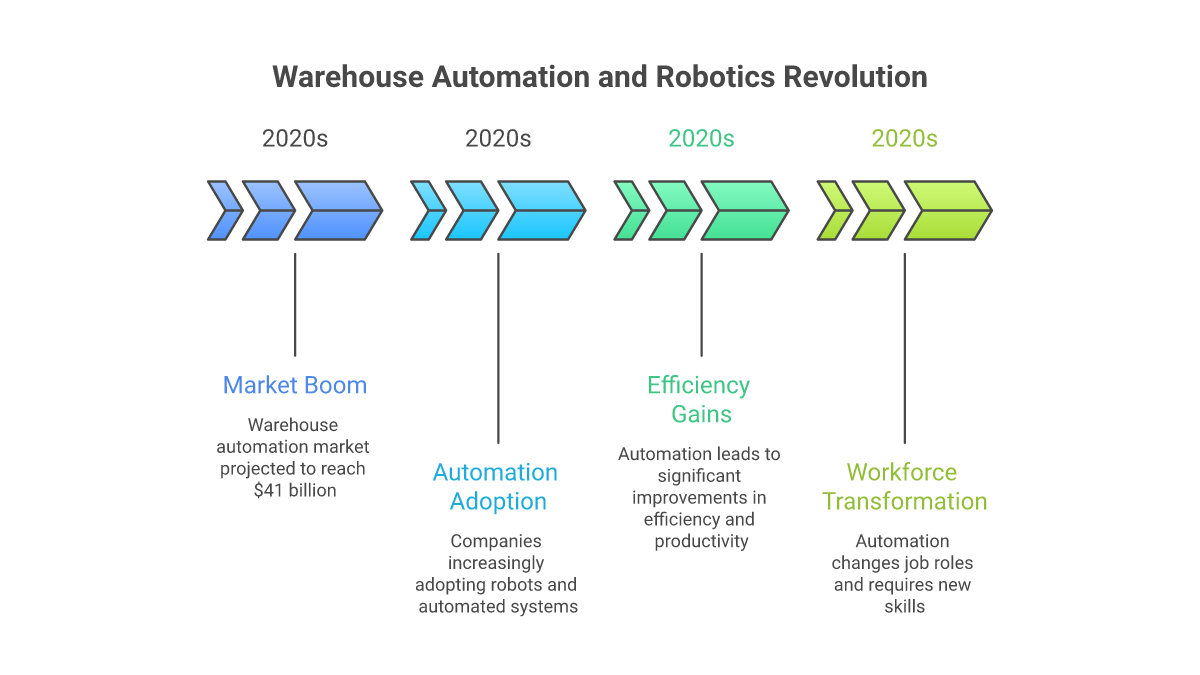
Warehouse Automation and Robotics Revolution - logistics trends 2025 visualization
Warehouse Automation and Robotics Revolution

Leading this change are collaborative robots, or cobots, with an anticipated market size nearing $9 billion by 2025. Their precision shines in picking tasks, where they boost productivity by 25-30% while achieving accuracy rates of 99.9%.

Case in point, Amazon’s cutting-edge warehouse robots operate in 75% of their fulfillment arenas by 2025. These autonomous mobile robots tackle 65% of internal item movements, while AI-powered sorters process over a thousand items every hour with nearly flawless precision.

With AI and vision integration, robots now handle more intricate tasks. Take Ocado’s automation centers: their robots adaptively grip over 50,000 distinct items based on characteristics, paring picking errors by 94% and doubling output rates.

Small and mid-sized firms are also catching the automation bug, thanks to RaaS—Robotics-as-a-Service—which slashes initial capital outlay by up to 70%, bringing high-tech automation within easier reach of many businesses.

Sustainable Logistics and Green Technologies

In 2025, sustainability has moved from the periphery to the strategic core for logistics enterprises. With the sector shouldering about 11% of global carbon output, a dramatic shift towards eco-friendly technologies is well underway.

Electric vehicles are leading the charge, so to speak. Major carriers are switching to electric fleets like never before. DHL, for instance, is on course to electrify 80% of its last-mile delivery fleet by 2025, with 65% already powered by electricity. This shift hasn’t just cut carbon emissions by 320,000 tons annually—it’s also driven down operation costs by a quarter.

Warehouses are embracing green innovations, too. Powered by AI and IoT, smart energy management systems in warehouses are cutting energy usage by up to 40%. Pioneers like Prologis are setting the standard with solar-powered warehouses that produce 110% of their energy needs, with surplus feeding back into the grid.

The uptake of alternative fuels is gaining momentum in logistics, especially in heavy-duty vehicles. Hydrogen fuel cell use in forklifts is up by 300% since 2023, while biodiesel adoption in long-haul trucking has surged by 85%, aided by better infrastructure and government incentives.

Packaging, too, is seeing a reformation with materials increasingly being recyclable or biodegradable. Retail giants report a 45% reduction in packaging waste through AI-driven solutions that optimize packaging to match the exact size of contents.

Digital Supply Chain Integration and Transformation

The digital arm of supply chains is expanding at a remarkable rate in 2025. Full integration and visibility from end to end are now becoming industry standards. Gartner projects over 75 billion IoT devices will be interconnected globally by the end of the year, revolutionizing goods management and tracking throughout the supply chain.

Blockchain has moved past pilot phases and into full-blown application, with 40% of leading logistics firms employing it for seamless documentation and tracking. This has minimized administrative costs by 35% and virtually eradicated documentation errors in international shipping.

Real-time visibility platforms are now commonplace, with 87% of shippers expecting this capability from their logistics partners. Companies like Project44 and FourKites are ahead, handling over 100 million tracking events daily and providing unrivaled transparency into shipment statuses and potential hindrances.

Thanks to 5G technology, operational control and automation have reached new heights. With the ability to provide ultra-low latency and high bandwidth, warehouses now deploy completely automated systems with seamless robot coordination, inventory systems, and human operators.

Digital twins have surfaced as essential tools for supply chain refinement, with 45% of logistics operators utilizing these virtual replicas to simulate and optimize operations. This advancement has cut planning time by 65% and boosted precision by 35%.

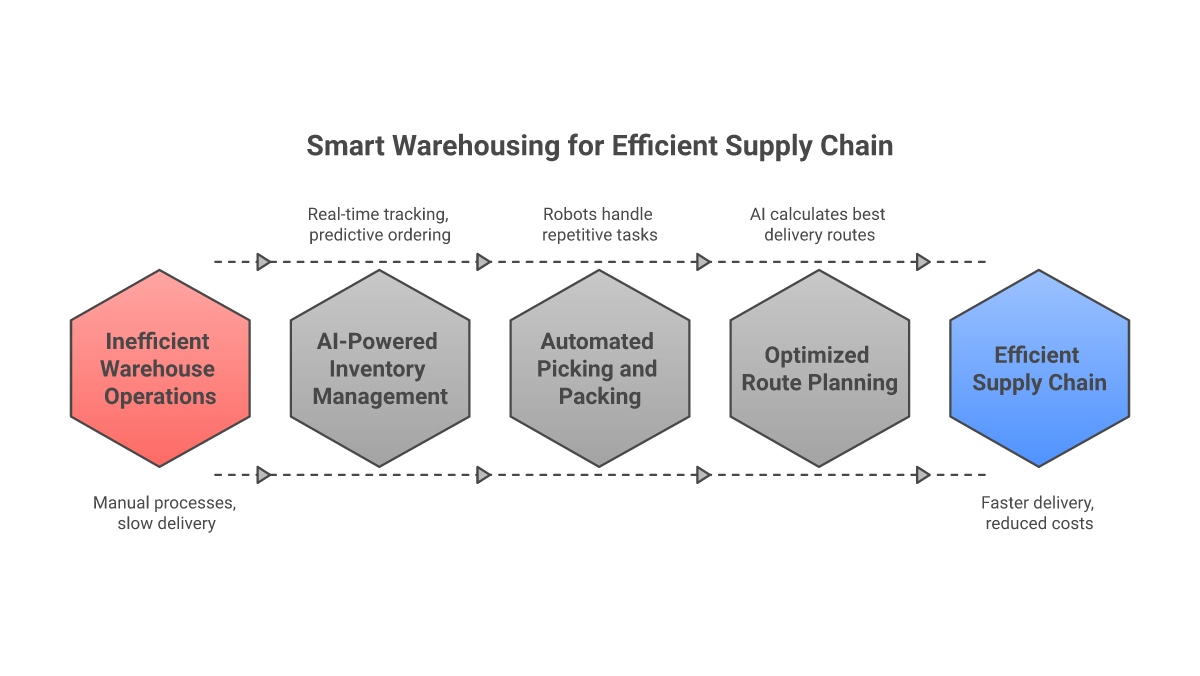
Smart Warehousing and Efficient Supply Chain Solutions

The landscape of smart warehousing looks vastly different in 2025, driven by AI, IoT advancements, and cutting-edge robotics. The market is valued at $23.28 billion this year and is forecasted to reach $38.74 billion by 2030, according to Market Data Forecast.
Smart Warehousing and Efficient Supply Chain Solutions - logistics trends 2025 visualization
Smart Warehousing and Efficient Supply Chain Solutions

AS/RS installations are setting new benchmarks, with storage density improvements of up to 400% compared to traditional systems. These installations are especially critical in urban zones where real estate prices rival those of gold.

AI-driven inventory systems are rewriting the rulebook for warehouses. Using machine learning, these systems can predict demand with 95% accuracy, automatically recalibrating stock levels and reorder points to slash holding costs without sacrificing service quality.

The emergence of computer vision is transforming quality control and inventory tracking. Capable of processing a thousand items a minute with virtually perfect accuracy, these systems not only identify damages but also verify packaging integrity.

Focus on energy efficiency has intensified in smart warehouse designs, with state-of-the-art climate control systems cutting energy consumption by 50% while maintaining ideal storage conditions.

Last-Mile Innovation and Urban Logistics

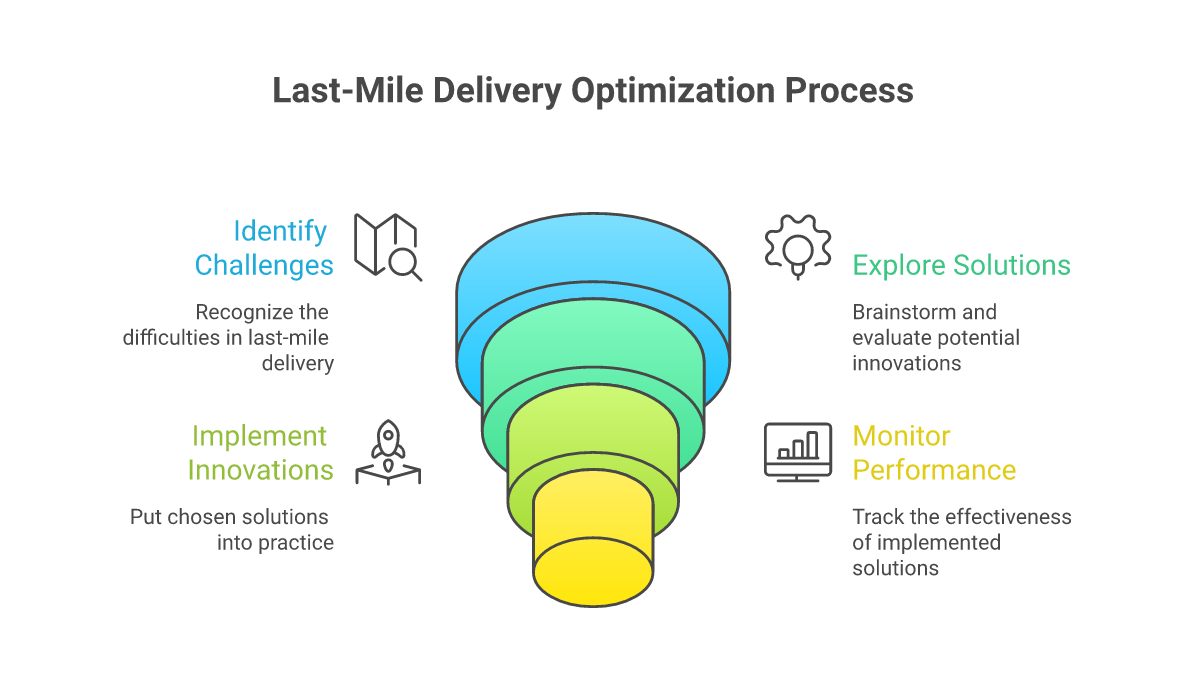
In 2025, last-mile delivery stands out as the most daunting and pricey segment in logistics, making up 41% of supply chain expenses. Yet, new tech and strategies are upending this crucial juncture.
Last-Mile Innovation and Urban Logistics - logistics trends 2025 visualization
Last-Mile Innovation and Urban Logistics

Autonomous vehicles are taking center stage, with more than 10,000 delivery robots navigating through major cities across the globe. Companies like Nuro and Starship Technologies boast delivery cost chops by up to 65%, a stark contrast to their conventional counterparts.

There’s also been a boom in micro-fulfillment centers in cityscapes, witnessing a growth of 250% since 2023. These centers, often automated to the teeth, can initiate orders for delivery within two hours, slashing last-mile distances by as much as 80%.

Crowdsourced platforms are now formidable players, already handling 15% of urban deliveries. These frameworks leverage AI for effective route matching and delivery pledging, bringing costs down while speeding up delivery times.

Advanced data analytics are being employed to refine delivery windows and routes, leading to a 30% bump in first-attempt delivery success rates and a 25% drop in failed deliveries.

Conclusion

The logistics sector in 2025 is on the cusp of extraordinary transformation, propelled by cutting-edge technology, sustainability imperatives, and evolving consumer expectations. Navigating this complex landscape requires mastering digital transformation, doubling down on sustainable practices, and harnessing the power of data-informed decisions to maintain a competitive edge.

For those at the helm of logistics operations, the roadmap is clear: integrate digital logistics transformation, advocate for sustainable solutions, and employ data-driven decision-making to stay ahead of the curve. Those who can successfully weave these trends into their strategies will be primed to excel in the intricately evolving logistics ecosystem.

As we gaze beyond 2025, there’s no sign of the pace of innovation slowing down. The groundwork laid through AI adaptation, automation advances, and sustainable ventures will indelibly shape the logistics industry’s future. The question isn’t if these changes should be embraced but rather how swiftly and adeptly companies can mold themselves to this new reality.
Industrial Parks in Slovakia: A Comprehensive Guide to Development Criteria and Market Standards 2026

Industrial Parks in Slovakia: A Comprehensive Guide to Development Criteria and Market Standards 2026

As we hit 2026, Slovakia’s industrial real estate scene is undergoing a significant transformation. With industrial park occupation climbing to a remarkable 96.2% in key logistics hotspots and vacancy shrinking to a mere 3.8%, there’s a noticeable demand for wisely positioned industrial spaces. This isn’t just a nod to Slovakia’s regional growth, but a broader change in Europe’s supply chain dynamics.

The pace of evolution in Slovakia’s industrial parks has picked up immensely since 2024, fueled by €3.2 billion worth of fresh industrial investments and the arrival of major international firms. Giants like DeJong, BRD Thermea, and Jiangsu have set up shop, cementing Slovakia’s rep as a prime industrial spot in Central and Eastern Europe.

This detailed guide dives into the key elements shaping industrial park growth in Slovakia, covering everything from technical specs and infrastructure needs to strategic site choices and the regulatory landscape. Whether you’re developing, investing, or using these facilities, getting a grip on these aspects is crucial for tapping into Slovakia’s industrial market success.

Recent figures from Cushman & Wakefield indicate prime industrial yields squeezing to 6.00% by Q4 2024 , pointing to rising interest from institutional investors and setting higher standards for quality in development.

Location and Infrastructure Requirements for Industrial Site Development

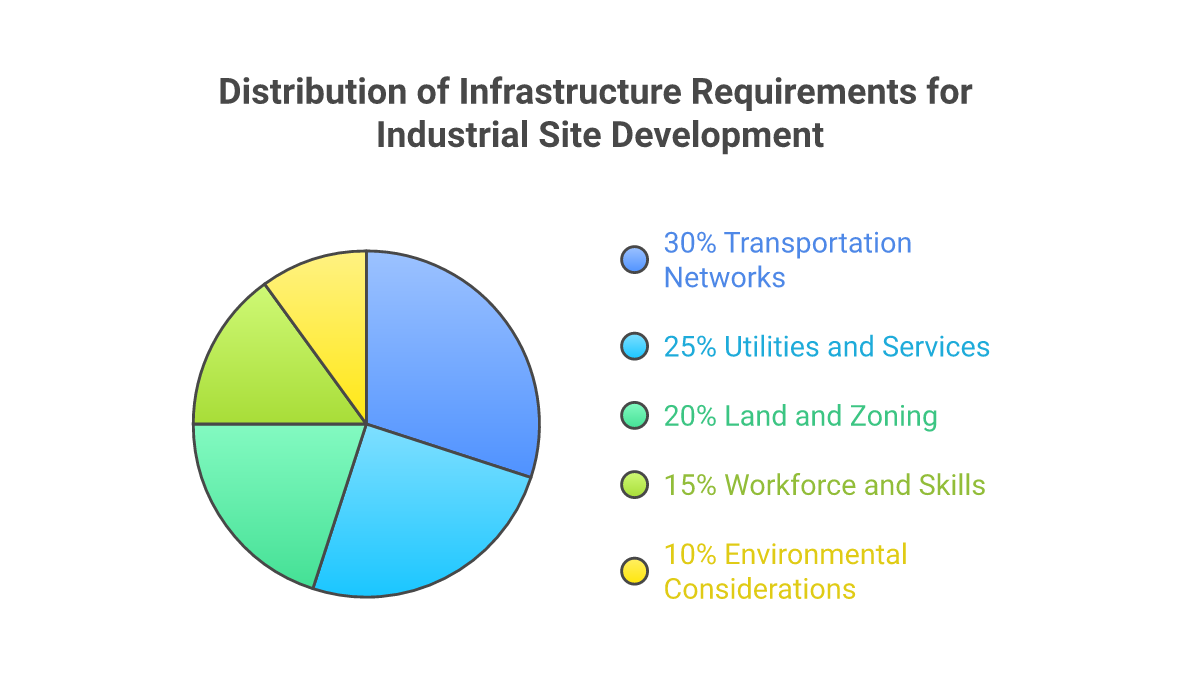
Picking the right spot is crucial for any industrial park project. According to SARIO, Slovakia’s investment and trade agency, the best locations must juggle factors like access, workforce availability, and infrastructure capability. Modern industrial parks here need spots with at least 50 hectares for large-scale projects .

Location and Infrastructure Requirements for Industrial Site Development - industrial park slovakia visualization
Location and Infrastructure Requirements for Industrial Site Development

Transport infrastructure is vital, requiring easy multi-modal connections. This includes close proximity to Class I highways (within 5km), rail links for freight, and international airports reachable within 45 minutes. Eastern Slovakia is emerging as a hot spot, offering excellent logistics links to both the EU and the burgeoning Eastern European markets.

Robust utility infrastructure is a must for industrial operations. Current standards demand at least 20 MW power capacity per 100 hectares, high-voltage redundancies, and water systems capable of supplying 250 cubic meters per hectare daily. New parks often feature smart grids and on-site renewable energy setups to meet sustainability goals.

Digital connectivity has become crucial too, with fiber and 5G now baseline requirements. New builds need to offer at least 10 Gbps backbone networks and have backup telecom pathways to support Industry 4.0 manufacturing.

Environmental footprints are under scrutiny due to EU regulations. Parks must maintain at least 15% green space and have stormwater systems in place that can handle extreme weather and meet water quality standards.

Technical Specifications and Building Standards

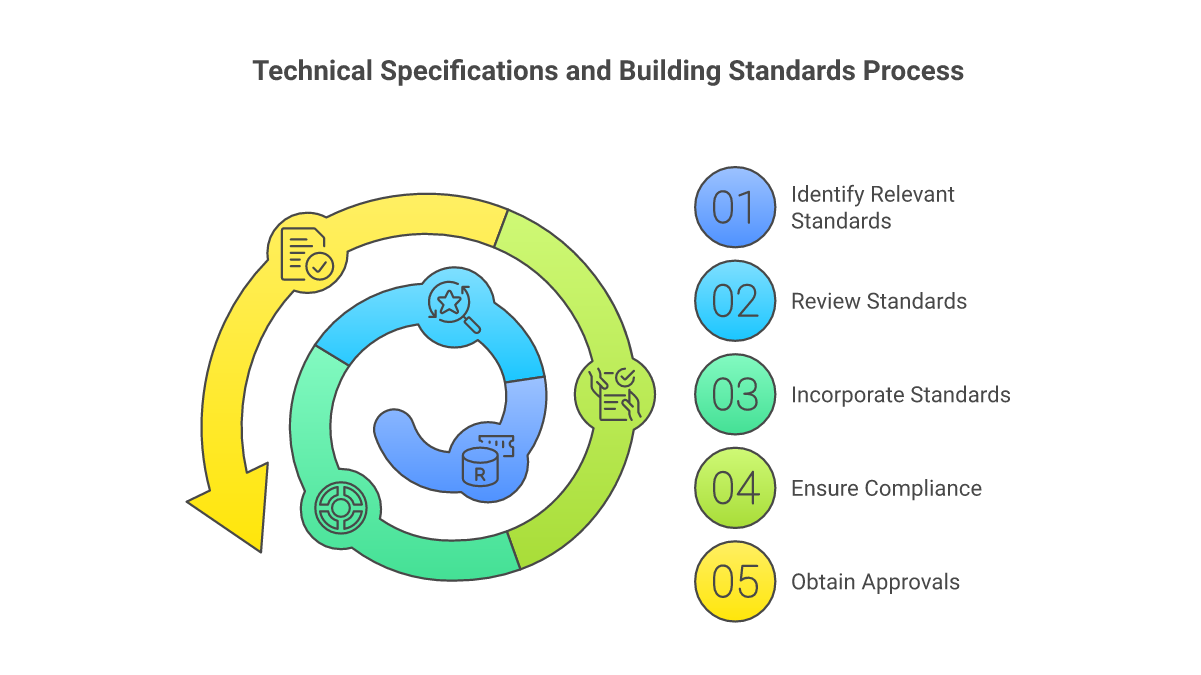
Today’s industrial facilities in Slovakia must meet tough technical standards that align with EU norms and market needs. The minimum clear height has risen to 12 meters for warehouses and 14 meters for automated storage, with some specialized buildings needing up to 18 meters to fit automated systems.

Technical Specifications and Building Standards - industrial park slovakia visualization
Technical Specifications and Building Standards

Floors need to withstand heavy loads, with a minimum of 5 tons per square meter for warehouses and 7 tons for heavy manufacturing areas. Specific zones may require up to 10 tons per square meter for particular processes. When it comes to floor flatness, the DIN 18202 standards apply, with tight tolerances to support automated operations.

Energy efficiency rules are stricter now, with facilities needing to achieve at least an A2 Energy Performance Certificate. This typically involves high roof and wall insulation, triple-glazed windows, and efficient HVAC systems with heat recovery.

Structural designs must meet specialized industrial demands, including specific column spacing and foundations that accommodate equipment sensitive to vibrations. Roofs should support solar panels and mechanical systems, with a minimum load capacity of 30 kg/m².

Sustainable Development Requirements

Environmental sustainability has become central to Slovakia’s industrial park development. New projects must meet at least BREEAM “Very Good” or LEED Silver standards, with many developers aiming higher to satisfy occupier preferences.

Sustainable Development Requirements - industrial park slovakia visualization
Sustainable Development Requirements

Energy systems must include renewable sources, with at least 20% of electricity coming from on-site generation. Solar arrays are common, with capacities of 0.5 MW per 10,000 square meters of roof space. Energy storage systems need to cover at least four hours of critical power use.

Water-saving innovations include necessary rainwater collection setups to capture 95% of rainfall, greywater recycling for non-drinkable uses, and smart irrigation systems for landscaping. New sites must achieve at least a 30% cut in potable water use compared to old benchmarks.

Waste management should aim for at least a 70% diversion rate during operations, with built-in sorting and recycling capabilities. Construction waste plans need to show that at least 75% of waste is diverted from landfills during building phases.

Operational Requirements and Warehouse Management Standards

Smooth operation of industrial parks depends on strong management and clear operational standards. Regulations now call for round-the-clock security with at least two access points, full CCTV coverage of common spaces, and secure access control systems in sync with tenant protocols.

Traffic systems must handle peak volumes while maintaining a minimum Level of Service (LOS) C at intersections. Parking ratios should offer one space per 100 square meters of warehouse space, plus truck waiting areas making up 2% of the total building space.

Facility management must link with tenant building systems using standard protocols. It’s crucial for real-time monitoring of energy and environmental conditions, with data kept for at least two years.

Market Standards and Commercial Requirements

Slovakia’s industrial market has reached a more mature stage, establishing firm commercial standards for park development. Lease terms now typically range from 5 to 10 years for warehouse space and up to 15 years for manufacturing areas, mostly under triple net lease structures.

Technical specs must allow for flexible division of space with minimal unit sizes of 1,000 square meters for storage and 2,500 square meters for manufacturing. Efficiency ratios should surpass 95% for single-tenant and 92% for multi-tenant facilities.

Service charges are standardized between €0.50-0.65 per square meter monthly for essential services, with additional charges for specific infrastructure upkeep. Reserve funds must be at least 10% of yearly operating costs.

Future Industrial Real Estate Trends and Development Considerations

Looking forward to the years 2026-2030, there are several trends that will influence Slovakia’s industrial park development. The adoption of autonomous vehicle infrastructure, such as dedicated lanes and charging stations, will be common. Also, improved digital infrastructure will support higher levels of automation and robotics, needing advanced power and data networks.

Sustainability requirements will keep evolving, with carbon-neutral goals boosting investments into renewable energy and circular economy setups. The trend toward mixed-use industrial parks, including research and innovation centers, requires flexible building designs and better amenities.

Conclusion

The way standards for industrial parks in Slovakia have evolved mirrors the market’s growth and the increasingly sophisticated demands of occupiers. Successful projects must harmonize technical excellence with operational efficiency and adhere to strict sustainability norms. As global interest continues to pour in, staying competitive means staying ahead of tech changes and shifting tenant expectations.

For developers and investors, fully grasping and implementing these detailed requirements is crucial to gain a competitive edge in Slovakia’s dynamic industrial real estate scene. The ongoing expansion of the industrial park sector, underlined by strong market fundamentals and strategic location perks, signals a steady demand for top-tier industrial spaces meeting these high standards.

Strategic Infrastructure Investment in Specialized Healthcare Shipping: Paving the Path for Tomorrow’s Cold Chain Logistics

Strategic Infrastructure Investment in Specialized Healthcare Shipping: Paving the Path for Tomorrow’s Cold Chain Logistics

The global healthcare cold chain logistics market is at a crossroads in 2026. With the market valued at USD 62.5 billion in 2025, projections suggest it will soar to USD 95.1 billion by 2030, growing at a robust annual rate of 9.5%. Yet, these impressive figures only scratch the surface of the profound shift underway in transporting, storing, and delivering life-saving medications and biologics around the world.

This shift arrives at a critical time for the healthcare sector. Over 20% of new drugs being developed are gene and cell-based therapies requiring meticulous temperature control, pushing traditional logistics systems to their limits. The stakes are high—a single temperature mishap can devalue millions in specialized medicine and directly affect patient health.

Healthcare organizations are scrambling to update their cold chain logistics. The World Health Organization’s stricter 2025 guidelines and the U.S. FDA’s enhanced regulations demand constant monitoring and validation of cold chain integrity. These evolving requirements, along with the rise in biologic medications, are driving substantial infrastructure investments in the industry.

In this in-depth look, we’ll explore how top healthcare entities are strategically bolstering shipping infrastructure, assess breakthrough technology solutions, and pinpoint essential strategies for constructing resilient cold chain networks ready for future challenges. Armed with these insights, logistics leaders can make informed infrastructure investments that balance innovation, compliance, and efficiency.

Current State of Cold Chain Infrastructure and Temperature-Controlled Logistics

According to a study by Mordor Intelligence, the healthcare cold chain logistics market hit USD 62.5 billion in 2025 , with refrigerated transport and storage facilities taking up about 40% of the market share. However, the current infrastructure shows significant regional disparities in capability and investment.

Current State of Cold Chain Infrastructure and Temperature-Controlled Logistics - cold chain logistics visualization
Current State of Cold Chain Infrastructure and Temperature-Controlled Logistics

North America led with a 42.87% market share in 2024 , fueled by its advanced healthcare infrastructure and the high demand for temperature-sensitive drugs. The U.S. alone boasts over 3.6 billion cubic feet of pharmaceutical-grade cold storage, although experts say this covers only 85% of current needs.

Europe stands second in market share, with countries like Germany and Switzerland showing strong infrastructure. The European sector benefits from stringent EU GDP (Good Distribution Practice) guidelines that drive consistent investment in temperature-controlled facilities and transport networks.

The Asia-Pacific region is growing fastest, thanks to India’s National Cold Chain Development program, which is pouring INR 2,800 crore (USD 340 million) into pharmaceutical cold storage infrastructure between 2023 and 2025. China’s cold chain network is rapidly expanding, with annual investment increases of over 25% as it aims to become a global biotech manufacturing leader.

Despite advancements, critical gaps remain even in developed regions. A 2024 survey found 23% of pharmaceutical manufacturers reported temperature excursions in their operations, while 31% cited inadequate infrastructure as a major growth roadblock.

Technology Integration and Innovation

Advanced technologies are reshaping cold chain infrastructure investments. GlobalData research shows a USD 4.7 billion investment in cold chain technology for 2024, led by AI and IoT innovations.

The Internet of Things (IoT) is the backbone of modern cold chain systems, offering real-time monitoring of temperature and humidity. Today’s advanced sensors can track additional parameters like shocks, light exposure, and door activity, with networks generating over 500 data points per shipment.

AI and Machine Learning are transforming data use. Predictive analytics can identify potential temperature deviations up to 4 hours early, allowing timely interventions. AI-powered route optimization has reduced temperature variances by 35% while slashing transport costs by 12%.

Blockchain is a vital tool for supply chain validation, with major distributors using it to create immutable records of temperature data and handling processes. This technology has cut documentation mistakes by 65% and sped up regulatory compliance checks by 78%.

Innovative packaging is another area of progress. Modern materials like phase change materials (PCMs) and vacuum insulated panels (VIPs) are replacing traditional cooling methods, maintaining precise temperatures for up to 120 hours, compared to the usual 48-72 hours.

Infrastructure Investment Strategies for Cold Chain Management

Healthcare organizations are adopting varied strategies to enhance their cold chain infrastructure. DHL’s USD 2.7 billion investment in 2024 for healthcare logistics expansion highlights the scale of current efforts.

Infrastructure Investment Strategies for Cold Chain Management - cold chain logistics visualization
Infrastructure Investment Strategies for Cold Chain Management

Regional hubs are evolving into advanced cold chain centers connected by multiple temperature zones, from room temperature (+20°C to +25°C) to deep frozen (-80°C) and cryogenic (-150°C) storage. Modern facilities also feature automated storage and retrieval systems (AS/RS) to reduce human involvement and temperature variations.

The last mile poses unique challenges and opportunities, with companies investing in specialized vehicles with redundant cooling systems and real-time monitoring. Urban micro-fulfillment centers with temperature-controlled lockers are emerging as a solution for direct patient delivery of sensitive medications.

Energy efficiency and eco-friendliness are now priorities in infrastructure planning. New facilities are integrating renewable energy like solar and wind, decreasing operational costs and improving environmental performance. Advanced insulation and energy recovery systems can slash power usage by up to 40% compared to traditional cold storage.

Risk mitigation through redundancy is a key focus, with organizations building networks of smaller, interconnected facilities rather than relying on centralized mega-hubs. This approach enhances resilience and cuts transportation distances and risks.

Regulatory Compliance and Validation

Infrastructure investments have to meet increasingly strict regulatory standards. The FDA’s 2024 updates stress continuous monitoring and automated alerts throughout the cold chain.

Validation is now more thorough, requiring temperature mapping studies, qualification of storage areas, and performance checks of transportation routes. Companies must prove their infrastructure can maintain temperatures under the worst conditions.

Quality management systems (QMS) for cold chain operations are now integrating with enterprise resource planning (ERP) systems to offer real-time compliance tracking. These systems generate automated alerts for temperature excursions and keep detailed audit trails for inspections.

Training and personnel qualification requirements have expanded. Facilities are required to maintain documented training programs for all cold chain staff, with regular competency assessments.

International alignment efforts are standardizing cold chain requirements globally. The International Air Transport Association’s (IATA) CEIV Pharma certification is becoming a global benchmark for cold chain quality.

Cost Considerations and ROI Analysis

Investing in specialized healthcare shipping infrastructure demands careful financial scrutiny. Initial costs for modern cold chain facilities usually range from USD 200 to 500 per square foot, quite a bit higher than standard warehouses.

Cost Considerations and ROI Analysis - cold chain logistics visualization
Cost Considerations and ROI Analysis

Operating expenses are ongoing hurdles, with refrigeration energy taking up 50-70% of total facility costs. Advanced energy management systems can cut these by 25-35% compared to older systems.

Labor costs are higher in cold chain operations due to specialized training and safety protocols, raising expenses by 15-20% compared to ambient temperature facilities. However, automation and efficient designs can help balance these costs.

ROI calculations need to include both direct financial returns and risk mitigation benefits. Studies indicate avoiding a single major temperature mishap can save USD 500,000 to 1,000,000 in product losses, not counting regulatory and reputation damages.

Insurance is another major cost. Well-designed and validated cold chain infrastructure can lower premiums by 20-30% through proven risk reduction and compliance.

Future Trends and Considerations in Refrigerated Supply Chain

Several trends will shape the future of cold chain infrastructure. Personalized medicine and cell therapies will boost demand for ultra-low temperature capabilities, ranging from -80°C to -150°C.

Automation will keep advancing, with robots handling more cold chain tasks. Early adopters of automated systems report productivity improvements of 40-60% and a 90% reduction in temperature excursions.

AI will become more integral in infrastructure management, optimizing energy use, predicting maintenance, and automating quality control. Industry forecasts show AI could cut costs by 15-25% while boosting reliability.

Sustainability will influence infrastructure design. By 2030, net-zero cold chain facilities incorporating renewable energy and advanced insulation are expected to be standard, lessening carbon emissions and lowering costs.

Innovations in the last mile will speed up, with new methods for temperature-controlled home delivery. Smart packaging with built-in temperature monitoring and control will make direct patient distribution safer.

Conclusion

Investing strategically in specialized healthcare shipping infrastructure is both a challenge and an opportunity for the pharmaceutical industry. The increasing complexity of temperature-sensitive medications, along with strict regulations, calls for a comprehensive approach to cold chain development.

Success involves balancing technological innovation, regulatory compliance, operational efficiency, and financial performance. Organizations must assess their needs and market conditions while planning for future growth and changing demands.

Looking ahead to 2030, those investing wisely in flexible, resilient cold chain logistics will be best placed to cater to the growing demand for temperature-sensitive drugs, maintaining top product quality and patient safety. Now’s the time to act—the future of healthcare delivery depends on creating tomorrow’s cold chain infrastructure.

Slovak Battery Manufacturing: Transforming the Heart of Central Europe’s Industry

Slovak Battery Manufacturing: Transforming the Heart of Central Europe’s Industry

Big changes are afoot in Slovakia as we move further into 2024, with the country poised for a pivotal shift in its industrial scene. With the initiation of a massive €1.2 billion battery production site in Šurany—the nation’s second most significant investment in history—Slovakia is setting itself up as a pivotal player in Europe’s electric vehicle supply chain. Yet, the effects echo beyond the production figures, signaling a pivotal reorganization of not only local but regional industrial property and economic paradigms.

The synergy of automotive manufacturing prowess, Slovakia’s prime location, and hefty investments in battery production has sculpted a rare opportunity for the nation. Known for producing the highest number of cars per person worldwide—boasting 182 vehicles per 1,000 residents in 2024 —this shift towards EV components isn’t merely a calculated move; it’s a necessity. The car industry, responsible for 13% of Slovakia’s GDP, must transition towards electrification to survive the changing tides.

This piece takes a closer look at how Slovakia’s burgeoning battery production landscape is reshaping industrial property markets, turning over supply chains, and opening new doors across Central and Eastern Europe. We’ll delve into market trends, investment trajectories, and strategic considerations for real estate stakeholders and manufacturers.

If you’re involved in industrial real estate, these transformations aren’t just a preview of a new manufacturing sector—they signal a profound reshaping of how industrial space is priced, used, and developed across Central Europe.

Current State of Slovak Battery Manufacturing and Electric Vehicle Batteries

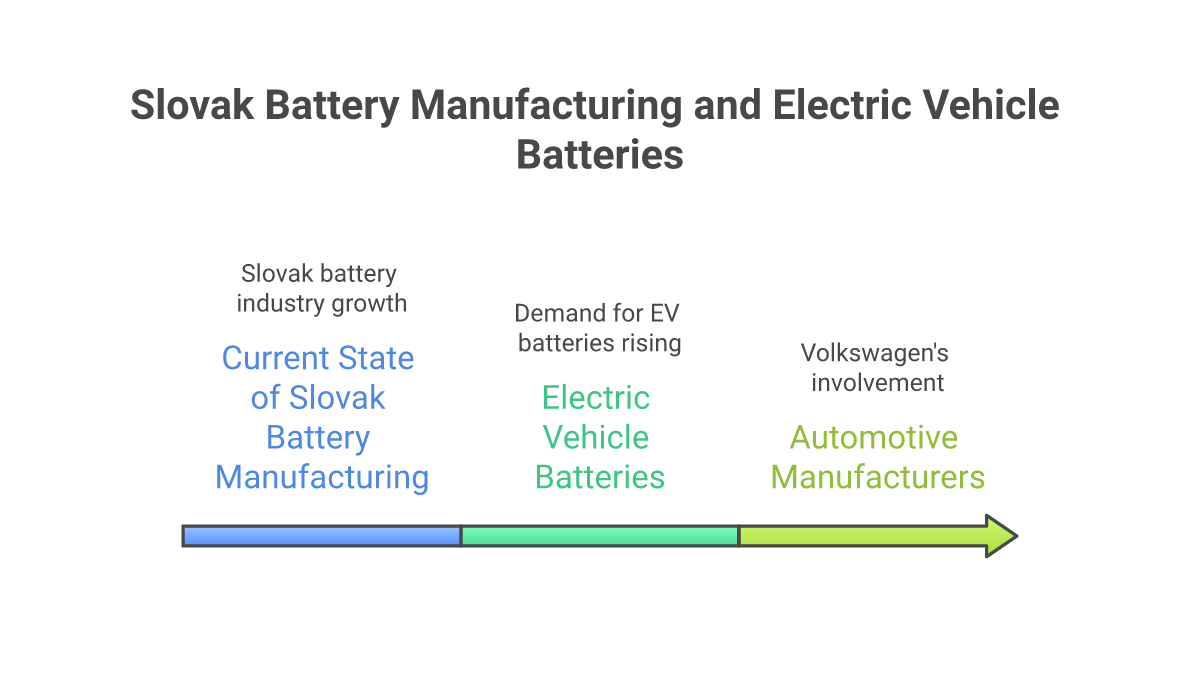
In December 2023, Slovakia marked a significant milestone in battery production with InoBat kicking off the nation’s inaugural battery production line in Voderady . Although its initial production was modest, with a capacity of 50,000 cells annually, this facility serves as Slovakia’s introductory step into advanced battery manufacturing. Its value lies not just in current output, but in proving Slovakia’s potential to host sophisticated manufacturing entities.

Current State of Slovak Battery Manufacturing and Electric Vehicle Batteries - Slovak battery manufacturing visualization
Current State of Slovak Battery Manufacturing and Electric Vehicle Batteries

The game changed dramatically with the mid-2024 announcement of a partnership between China’s Gotion High-tech and Slovakia’s InoBat. This ambitious venture’s €1.2 billion investment will birth a vast 20 GWh battery plant over 65 hectares in Šurany. Set for trial production in 2026 and full-scale operations in 2027, this facility will employ roughly 1,300 people, placing Slovakia prominently on Europe’s battery supply chain map.

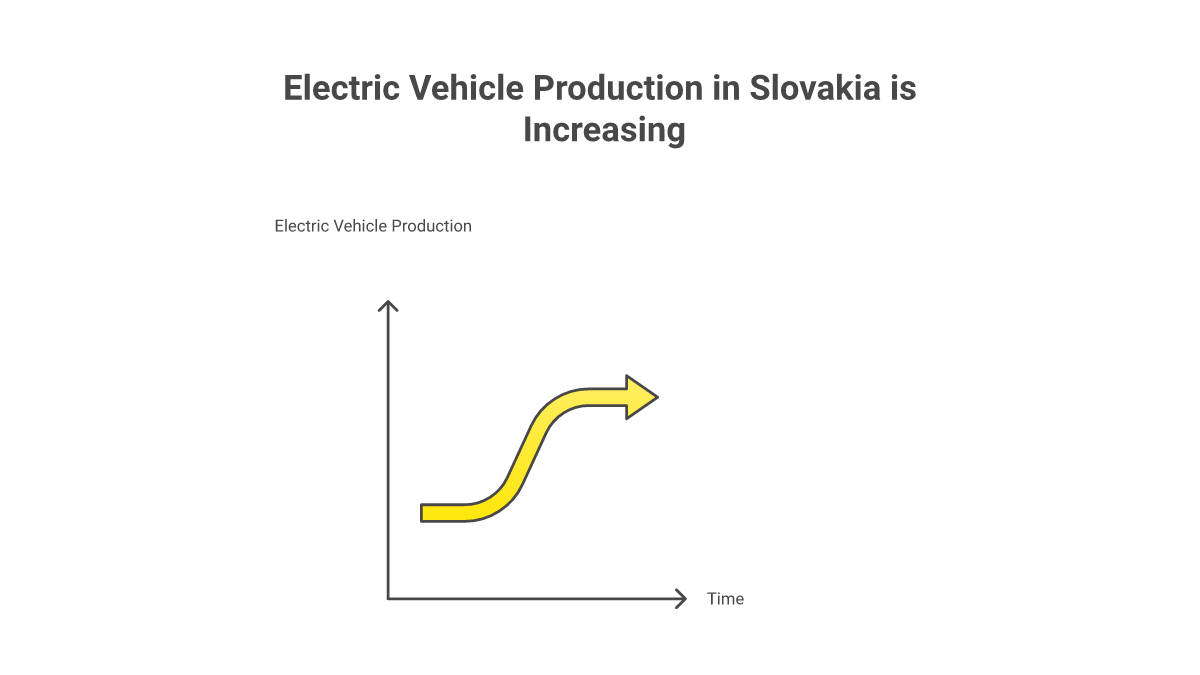
The timing couldn’t be more crucial. Giants like Volkswagen Group, Volvo Cars, and Kia already have substantial manufacturing facilities here, and the local demand for EV batteries is projected to hit record highs. Experts predict by 2027, around 40% of cars produced in Slovakia will be fully electric, ensuring a substantial local market for battery manufacturing.

In addition to InoBat and Gotion, numerous tier-two suppliers have rooted themselves in Slovakia’s western industrial zones, forming a budding ecosystem for battery components. These suppliers, focusing on battery management systems and thermal control units, occupy over 200,000 square meters in the regions of Trnava and Nitra, showing the industry’s rapid growth.

This wave of growth has significantly altered the demands of the industrial real estate sector. While traditional automotive suppliers might only require buildings with 15-20 meters of clear height and basic power infrastructure, battery makers now seek facilities with at least 25-30 meters of clear height, augmented power supply (often over 40 MW), and specialized storage zones for chemicals.

Economic Impact and Central Europe Real Estate Market Dynamics

The rise of Slovakia’s battery industry extends its economic impact well beyond the confines of traditional manufacturing. In 2024, 993,000 vehicles were produced by the Slovak automotive sector, an 8% dip from 2023’s figures. Yet, this decline masks a pivotal shift as manufacturers retrofit their lines for electric vehicles, boosting the need for locally-made batteries.

Investments in battery production catalyze a ripple effect in the industrial real estate market. For every square meter devoted to battery production, about 2.5 square meters of supplier space is essential. This ratio, notably surpassing the 1:1.8 ratio seen in traditional automotive manufacturing, is pushing unparalleled demand for industrial real estate in Slovakia’s western regions.

The employment landscape is undergoing a similar transformation. Battery manufacturing facilities need a different workforce profile compared to traditional car plants. The average salary at these battery facilities stands 22% higher than at conventional automotive plants, emphasizing the necessity for more technically skilled employees. This wage discrepancy affects real estate location decisions, with developers prioritizing areas with robust tech education systems.

Property values have also experienced dramatic shifts. Paramount industrial plots—those with excellent transportation links and strong power infrastructure—have appreciated by 35-45% between 2023 and early 2026. This surge reflects both the scarcity of suitable land and the strategic significance of securing sites within Slovakia’s burgeoning battery corridor.

There’s also been a notable shift in foreign direct investment patterns. While German, French, and Korean interests previously dominated automotive investments, battery production is drawing considerable Chinese investment. This diversification creates fresh dynamics in real estate development, with Chinese investors frequently opting for build-to-suit deals instead of the traditional lease agreements.

Infrastructure and Real Estate Requirements

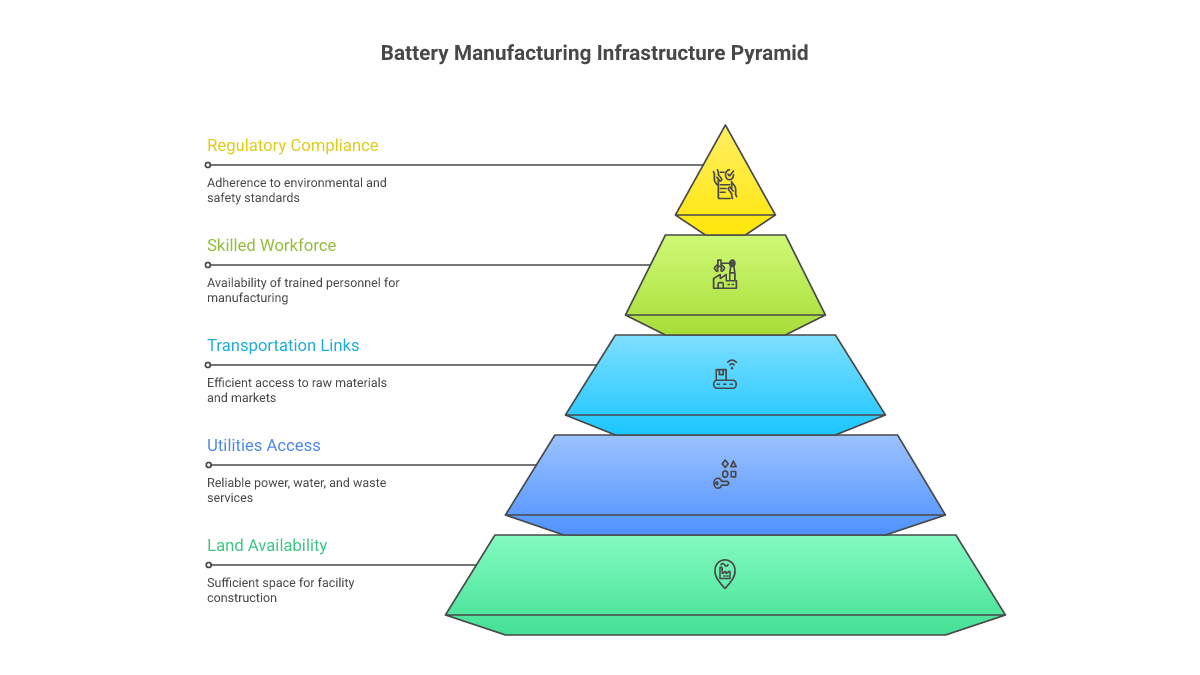
The infrastructure demands of battery production facilities surpass anything traditional manufacturing requires. Highlighting these new standards is the Gotion-InoBat site in Šurany. Spanning 65 hectares, this location needs dedicated high-voltage power infrastructure capable of 40+ MW sustained loads, nearly three times what conventional car plants require.

Infrastructure and Real Estate Requirements - Slovak battery manufacturing visualization
Infrastructure and Real Estate Requirements

Water availability is another critical consideration. Battery production demands about 2.5 cubic meters of process water for each MWh of battery capacity. This translates into substantial water infrastructure requirements for a 20 GWh facility like the one in Šurany. Developers are increasingly incorporating water treatment and recycling into their plans, which raises construction costs and site needs significantly.

Transportation requirements have also evolved. While traditional automotive industries needed excellent road links, battery manufacturers seek multimodal transport options. Rail access has become pivotal due to the bulk arrival of raw materials by train, and the shipment of completed batteries across Europe with minimal handling risks.

The architectural specs for battery plants differ greatly from conventional industrial sites. Building heights often stretch to 25-30 meters to house automated storage and retrieval systems. Floor loads should exceed 5 tons per square meter, compared to 2-3 tons in regular facilities. These changes are reshaping industrial development as many current sites can’t easily convert to battery use.

Environmental control is another pivotal concern. Battery production requires stringent temperature and humidity regulation, with more confined tolerance levels than other industries. This translates to advanced HVAC systems and tighter building envelopes, boosting construction costs by 25-40% over standard industrial properties.

Supply Chain Integration and Global Supply Chain Dynamics

Slovakia’s rise as a leader in battery manufacturing is reshaping regional supply chain dynamics. The strategic site of Šurany, with access to some 45 million consumers within a 500-kilometer radius, illustrates the strategic foresight in choosing locations. This placement enables manufacturers to serve a broad spectrum of European automotive plants effectively while keeping inventory levels manageable.

Battery supply chains diverge starkly from traditional automotive practices. While car supply chains typically embrace just-in-time methods with frequent deliveries, battery production hinges on larger raw material inventories and more intricate storage solutions. This shift necessitates specialized warehouses with advanced safety and environmental controls.

Logistics are adapting to these new demands. Rail logistics have seen a resurgence, with manufacturers favoring sites boasting rail connections. Transporting finished batteries, classified as hazardous materials, requires dedicated handling and storage facilities, spurring the growth of specialized logistics hubs along key routes.

The integration of battery manufacturing into existing automotive supply chains is fostering new industrial real estate clusters. Suppliers now tend to situate near battery production plants rather than final assembly lines, sparking new patterns of demand for industrial space. This clustering has led to the development of specialized parks geared towards battery-related manufacturing and logistics.

Cross-border supply chain integration presents both opportunities and hurdles. Slovakia’s central position makes it an ideal springboard for many European markets, but differing regulatory and infrastructure norms across borders can make logistics planning tricky. Developers are responding by designing versatile space configurations that cater to varied regulatory landscapes.

Future Growth Projections and Slovakia Economic Challenges

As Slovakia looks toward 2027-2030, its battery sector contends with both exciting prospects and formidable challenges. Predictions suggest total battery production could soar to 45 GWh by 2030, necessitating another 300-400 hectares of industrial land. This growth would solidify Slovakia’s crucial role in Europe’s EV supply chain.

Future Growth Projections and Slovakia Economic Challenges - Slovak battery manufacturing visualization
Future Growth Projections and Slovakia Economic Challenges

Workforce development remains a crucial hurdle. The sector could generate 3,500-4,000 direct jobs by 2030, plus an additional 7,000-8,000 roles in supporting fields. But, the technical skills needed for battery production are in short supply. While education programs are being developed in collaboration with manufacturers, the delay between training and availability could stifle growth.

Infrastructure is another potential stumbling block. Although current grid upgrades meet immediate needs, projected industry growth will demand further substantial infrastructure investments. Early estimates suggest €3-4 billion in grid improvements will be necessary by 2030 to fully support this expanding industry.

Environmental factors gain increasing importance. While battery manufacturing advances sustainability by enabling EV adoption, the actual production process poses environmental challenges. Facilities will need to comply with rigorous environmental standards, which could increase costs and prolong development timelines.

Competition from other Central European areas is heating up. Nations like Hungary and Poland are also enhancing their battery capacities, creating a more competitive landscape for investments and skilled workers. Slovakia’s ongoing success will depend on sustaining its edge in infrastructure, workforce quality, and strategic location.

Conclusion

Slovakia’s evolution into a key battery production hub signifies more than just industrial growth; it represents a sweeping transformation of Central Europe’s economic fabric. The €1.2 billion investment by Gotion-InoBat marks the dawn of a new industrial era, one requiring substantial shifts in the development and management of industrial real estate.

For those navigating the industrial real estate waters, the message is clear: conventional methods must evolve to address the unique challenges of battery production. Successful navigation of this new landscape demands understanding beyond property fundamentals—it requires an insight into the intricate dance of supply chain dynamics, workforce development, and infrastructure requirements.

As Slovakia stakes its place at the cutting edge of Europe’s electric vehicle shift, the potential for strategic investment in industrial real estate and the broader automotive sector is immense. But to unlock these opportunities, stakeholders must carefully weigh the sector’s unique challenges and needs. The next five years will be pivotal in determining whether Slovakia can fully rise to its potential as a top-tier battery manufacturing hub.

The Economic Impact of EV Manufacturing in Slovakia: Transforming Industrial Infrastructure

The Economic Impact of EV Manufacturing in Slovakia: Transforming Industrial Infrastructure

By 2026, Slovakia’s automotive landscape is set for its most dramatic overhaul since it took the reins as a car manufacturing giant in the early 2000s. With Volvo’s €1.2 billion electric vehicle plant in Košice gearing up for production, the country stands at the cusp of an industrial shift that’s bound to redefine not only its manufacturing prowess but also the broader economic narrative in Central and Eastern Europe. But while the headlines catch attention, the real change is unfolding in Slovakia’s industrial framework—an intricate evolution not often visible to those outside the sector.

The stakes are towering for Slovakia’s economy, where the automotive field currently contributes to nearly 50% of industrial sales and employs 244,000 individuals , supply chains included. As EVs take the wheel from traditional combustion engines, Slovakia faces both a golden opportunity and a profound challenge, demanding not just shifts in assembly lines but a thorough rethinking of industrial layouts, supply networks, and workforce capabilities.

This deep dive explores how Slovakia’s industrial estate and infrastructure systems are evolving to cater to the demands of EV manufacturing. From revamping existing plants to creating new industrial zones, we’ll investigate the tangible ways the EV pivot is overhauling the country’s industrial scene and the implications for businesses, workers, and the economy at large.

With insights from recent developments, market data, and expert opinions, we’re set to lay bare the strategic directions fueling this transformation and deliver actionable insights for stakeholders across the industrial and automotive manufacturing realms.

Current State of Slovakia’s Automotive Manufacturing Infrastructure

Slovakia isn’t merely the world’s top per-capita car producer—it’s the backbone of an industrial ecosystem now hustling to embrace an electric future. As of early 2026, Slovakia’s automotive production infrastructure spans over 7.2 million square meters of space dedicated to vehicle production and component manufacturing, with an extra 2.1 million square meters being developed specifically for EV-related operations.

Current State of Slovakia's Automotive Manufacturing Infrastructure - EV manufacturing Slovakia visualization
Current State of Slovakia’s Automotive Manufacturing Infrastructure

Slovakia’s traditional car plants, once the lifeline of its automotive industry, are rapidly evolving. Kia’s plant in Žilina is at the forefront, with the brand investing €108 million to adjust existing production lines for EV assembly . Their plan to boost production from 70,000 to 180,000 EVs annually by 2027 illustrates the massive shift in infrastructure needed.

The sturdy existing industrial infrastructure is showing strain under the new demands. These facilities were designed with combustion engines in mind, including ventilation, power supply, and component storage requirements. EV production turns these on their head—where assembly lines needed 2.8 megawatts of power, new EV lines demand over 4.5 megawatts for battery integration and testing.

The supply chain adds another layer of complexity. Slovakia’s 165,000 direct automotive employees work within a complex network of facilities, embracing 342 tier-one suppliers and over 600 secondary suppliers. This network now must adapt to support EV production, requiring novel logistics setups and battery storage solutions.

Shifts are also geographical. Historically, western Slovakia has been the automotive stronghold, but with new investments like Volvo’s Košice plant in the east, a second manufacturing hub is springing up, prompting fresh infrastructure development in previously quiet areas.

Infrastructure Challenges and Adaptations for Electric Vehicle Production Slovakia

The EV shift introduces infrastructure challenges that demand swift solutions and farsighted planning. Power grid capability is a chief concern, as new EV plants require 60% more electricity than their predecessors. Slovakia’s industrial zones are scrambling to upgrade their electrical setups, with a projected €890 million investment slated through 2027.

Infrastructure Challenges and Adaptations for Electric Vehicle Production Slovakia - EV manufacturing Slovakia visualization
Infrastructure Challenges and Adaptations for Electric Vehicle Production Slovakia

Water systems raise another significant issue. Battery production calls for ultra-pure water systems, which traditional plants lack. Retrofitting plants costs around €12.3 million each, with new builds needing state-of-the-art water purification from the outset.

The necessity for specialized storage and handling for battery materials can’t be overlooked. Conventional warehouses designed for engine parts fall short for battery storage. New buildings require advanced fire systems, temperature controls, and added security, pushing construction costs by approximately €280 per square meter.

Tackling transportation infrastructure is crucial too. The logistics of moving battery components involves specialized equipment and conditions, compelling logistics facilities to transform. Rail systems, key to Slovakia’s automotive backbone, need upgrading to meet the distinct needs of EV materials.

The human element, perhaps most critically, needs redefining—training centers and tech education hubs must rethink their approaches. Slovakia’s technical schools are charting new territories with EV-focused curriculums, thanks to €156 million in investment from both the government and private sector.

Real Estate Market Response

Slovakia’s industrial real estate sector is undergoing its biggest shake-up in twenty years, driven by the specific needs of EV manufacturing. New building standards are arising, with developers integrating features like reinforced floors to support heavier battery-making gear and sophisticated climate control critical for electronics production.

Real Estate Market Response - EV manufacturing Slovakia visualization
Real Estate Market Response

The appetite for industrial space has spiked, with EV-related needs making up 42% of new real estate queries in 2025. This surge has nudged prime industrial rents up by 15% in major auto clusters, especially around Bratislava and Košice. Developers are responding with EV-ready spaces that command top rents of €6.80-7.20 per square meter, compared to €5.40-5.90 for standard spaces.

Location preferences are changing fast. While western Slovakia used to be the hub, EV manufacturers are now picking spots rich in power infrastructure and access to renewable energy. This shift is stirring developments in previously bypassed areas, notably eastern Slovakia where land is about 30% cheaper.

Investment in industrial real estate has hit all-time highs, with €1.2 billion dedicated to EV-related ventures in 2025 alone. This encompasses both new projects and revamping of old facilities. The cost of converting traditional spaces to EV-ready capabilities runs between €380 and €520 per square meter, contingent on specific needs.

Sustainability add-ons are now a must in new industrial developments. Volvo’s upcoming Košice facility spearheads this trend, featuring solar panels, energy storage, and smart grid tech. These elements add around 12% to the building costs but are now seen as necessary for future-proofing investments.

Supply Chain Infrastructure and EV Supply Chain Management Evolution

The EV wave is triggering a thorough overhaul of Slovakia’s automotive supply chain infrastructure. Traditional tier-one players are pumping funds into new sites set for EV component production, with 28 new supplier parks underway as of early 2026. These facilities feature cutting-edge automation and adaptable manufacturing spaces to keep pace with fast-changing EV tech.

Logistics frameworks are getting a revamp to handle the unique demands of EV components. New specialized warehouses with advanced fire suppression and climate-controlled storage are emerging along vital transport routes. Money poured into these projects ranges from €15-20 million, due to the sophisticated setup needed for battery handling.

Workforce Development Infrastructure

The EV shift calls for hefty investment in education and training infrastructure. Slovakia’s tech universities are setting up specialized EV manufacturing schemes, backed by €156 million from both public and private sectors. New training centers, laden with state-of-the-art simulation gear and prototype assembly lines, are cropping up next to key manufacturing hubs.

Modernization efforts touch existing training facilities too, introducing virtual reality and advanced diagnostics. Retrofitting these centers comes at a price of about €3.2 million per spot, deemed necessary for Slovakia to keep its automotive edge.

Economic Implications and Future Outlook

The infrastructure pouring into Slovakia’s EV journey is set to deliver hefty economic ripples. Studies highlight that every euro funneled into EV infrastructure spurs €1.8 in additional economic activity via supply chain effects and community spending.

Job trends are evolving, as roles in the traditional auto space get swapped for those needing more tech-heavy skills. It’s expected that 35,000 new EV-linked positions will sprout by 2028, though they will require aptitudes unlike the classic auto jobs. This shift is fueling demand for fresh training programs.

Property values in areas attracting EV investments have seen a significant boost. Prices of industrial lands near planned EV sites have jumped 25-40% within half a year post-announcement, presenting both opportunities and hurdles for future growth.

Foreign direct investment in Slovakia’s industrial realm hit €3.2 billion in 2025, with 65% tied directly to EV manufacturing and related infrastructure. This trend is poised to persist, with another €4.8 billion in projects anticipated through 2027.

Modernizing industrial infrastructure is fast-tracking Slovakia’s digital voyage. New EV sites are rich with Industry 4.0 technologies, demanding digital infrastructure investments and opening doors for tech service providers.

Strategic Recommendations

The EV movement urges clear mandates for industrial real estate developers and investors. Properties should be built or updated with EV manufacturing specifics in mind—boosted power supply, specialized storage areas, and flexible production spaces ready to flex with tech changes.

Infrastructure planning should adopt a complete perspective, considering not only immediate needs but also the broader ecosystem of suppliers, logistics, and workforce centers. This broad view is vital for crafting enduring advantages.

Government bodies and economic developers should aim to synchronize infrastructure investments for maximum impact. This means lining up transportation upgrades with new facility sites and ensuring training programs align with industry demands.

Sustainability thoughts should weave into every step of infrastructure planning, as they increasingly sway investment choices and operating costs. This involves renewable energy, water recycling, and energy-smart designs.

Real estate investors must focus on spots ripe for future EV clustering, even if they currently stand without traditional auto footprints. The rise of eastern Slovakia as a second auto hub shows the potential for new industrial corridors.

Conclusion

Slovakia’s industrial backbone stands at a turning point as it pivots towards electric vehicles. Success hinges on its capability to modernize and adapt facilities, transport systems, and workforce strategies to cater to EV’s unique demands.

The scale of needed investment is staggering, but so are the opportunities. Companies that swiftly align their strategies with EV manufacturing needs will position themselves to seize value in this evolving market.

As Slovakia transitions from conventional automotive production to EVs, the infrastructure decisions made today will shape its economic edge for years. While challenges loom, strategic planning and investment coordination can reinforce Slovakia’s role as a top automotive hub in the electric vehicle era and revamp its automotive logistics CEE network.

Mastering Supply Chain Optimization: The Key to Navigating Modern Management

Mastering Supply Chain Optimization: The Key to Navigating Modern Management

Come 2026, the global supply chain optimization market is set to hit an astounding USD 10.2 billion, charting a remarkable CAGR of 8.2% . Still, despite these optimistic projections, a staggering 63% of companies grapple with shortcomings in achieving their ideal supply chain efficiency. The chasm between potential and actual performance is more evident—and costly—than ever.

This year, supply chain authorities are facing challenges like never before. The blend of geopolitical strife, sustainability requirements, and tech upheaval has morphed once straightforward operations into a multifaceted, interconnected maze needing cutting-edge supply chain optimization tactics. And the rewards? Companies fine-tuning their supply chains boast profitability 15% above their peers according to key statistics .

In this all-encompassing guide, we will uncover the core principles, budding technologies, and tried-and-tested strategies that shape modern-day supply chain optimization. From AI-enhanced demand forecasting to blockchain-facilitated transparency, we will explore how top industry players are overhauling their supply chains to secure a competitive edge in today’s ever-complex global market.

Regardless of whether you’re a veteran in supply chains or a newcomer, grasping these fundamental concepts is crucial for steering the future of logistics and operations management. Let’s dive into how you can overhaul your supply chain from just a cost center into a crucial strategic asset.

Grasping the Essentials of Supply Chain Management

At its essence, supply chain management covers the entire journey of goods, services, and data from raw material providers down to the final consumers. Fast forward to 2026, and this once-simple process is now a complex web far exceeding mere logistics management. Based on the latest ASCM insights, a significant 78% of organizations now view their supply chain as a strategic function, rather than a mere operational must-have.

Understanding Supply Chain Management Fundamentals - supply chain optimization visualization
Grasping the Essentials of Supply Chain Management

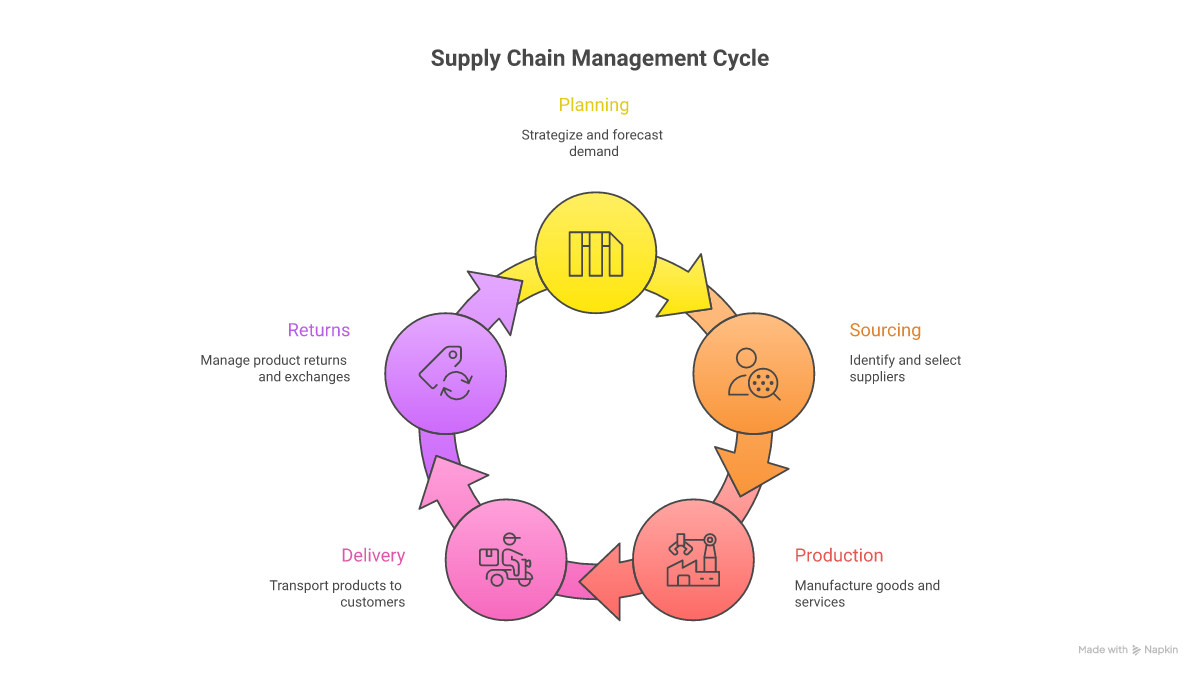
Today’s supply chain managers need to master five critical components: planning, sourcing, manufacturing, delivery, and returns. Each part needs individual optimization while ensuring seamless integration with the others. The complexity is daunting—one typical global manufacturer might juggle dealings with over 200 direct suppliers and countless indirect ones.

Insights from the Global Supply Chain Report indicate that businesses with mature supply chain setups boast 25% higher inventory turnover and 20% better order fulfillment rates. These gains are evident on the balance sheet, with optimized supply chains delivering EBITDA margins 7.5% above industry norms.

Let’s consider TechCorp, a top electronics manufacturer, which recently revitalized its supply chain fundamentals. By integrating advanced planning solutions and reshaping supplier ties, they managed to slash inventory holding expenses by 32% and enhance their on-time delivery from 82% to a stellar 97%.

The secret to such transformation is recognizing that supply chain optimization is not just a one-off project but a continuous journey of improvement. Companies need to routinely evaluate their strengths across various areas, from tech infrastructure to skillsets.

Modern Inventory Management: Strategic Approaches and Practices

In 2026, adept inventory handling has emerged as a critical distinction in supply chain success. Research from the Supply Chain Analytics Institute suggests that excessive inventory locks up about $1.1 trillion in working capital worldwide, while stockouts cause retailers to forfeit nearly $984 billion in lost sales annually.

Contemporary inventory optimization now harnesses AI and machine learning to balance these clashing demands. Leading businesses use predictive analytics to project demand with accuracy levels surpassing 85%, a vast leap from the 65% accuracy that traditional methods typically reach.

Dynamic safety stock computations have revamped the landscape of inventory planning. Shying away from rigid parameters, today’s systems adapt stock levels in real-time, factoring in variables like lead time variance, demand shifts, and supply risks. Businesses employing these strategies report average inventory dips of 25-30% while preserving or boosting service rates.

The Just-in-Time inventory system has transformed into what’s now termed “Right-Time” inventory management. This fresh perspective acknowledges that varying products and markets demand distinct inventory tactics. For effortless consumer goods, traditional JIT methods might still apply, while buffer stock strategies are vital for crucial components in regulated sectors.

Take Global Pharma Co. as a case in point. They revolutionized their inventory management by segmenting their products based on demand trends and criticality. Tailoring their inventory approach let them cut total inventory by 18% while boosting service levels for essential medications from 94% to an impressive 99.2%.

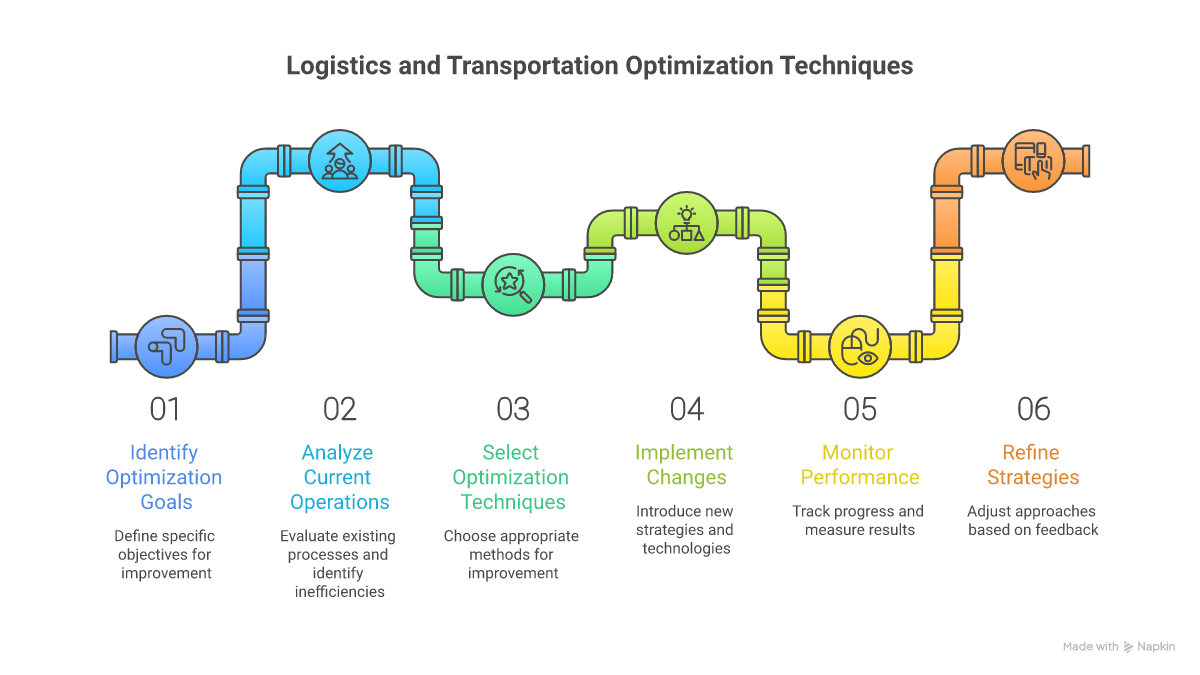
Techniques for Optimizing Logistics and Transportation

The transportation sector is on the brink of one of its most significant overhauls in decades. With global logistical costs predicted to surge to $15.7 trillion by 2026, companies are pushing the envelope by adopting state-of-the-art technologies to finesse their transportation frameworks. Real-time tracking and dynamic routing systems have become standard practice, offering unmatched visibility and control.

Logistics and Transportation Optimization Techniques - supply chain optimization visualization
Techniques for Optimizing Logistics and Transportation

Autonomous trucks and drone deliveries are no longer sci-fi but operational realities. Key logistics firms report that autonomous vehicles now tackle 15% of long-haul routes in optimal conditions, delivering 22% cost savings and a 31% gain in delivery regularity. The transformation in last-mile delivery is just as impressive, with drones slashing costs by up to 70% in fitting urban areas.

Multimodal optimization has emerged as a pivotal tactic for robust transportation networks. Businesses routinely analyze millions of routing scenarios across different transport modes to strike the best compromise between cost, speed, and reliability. Advanced algorithms consider elements like weather conditions, traffic updates, and port congestion in real time.

LogiTech Solutions shines as a testament to the strength of modern transportation optimization. By integrating AI-guided route optimization and live load consolidation, they cut empty miles by 28% while boosting on-time delivery by 24%. Plus, their carbon emissions went down by 35%, underscoring the environmental perks of fine-tuned logistics.

Cross-docking setups have taken significant strides, with automated centers processing shipments up to four times faster than the old methods. These hubs use computer vision and robotics to sort and direct packages with minimal human oversight, trimming handling costs by up to 65%.

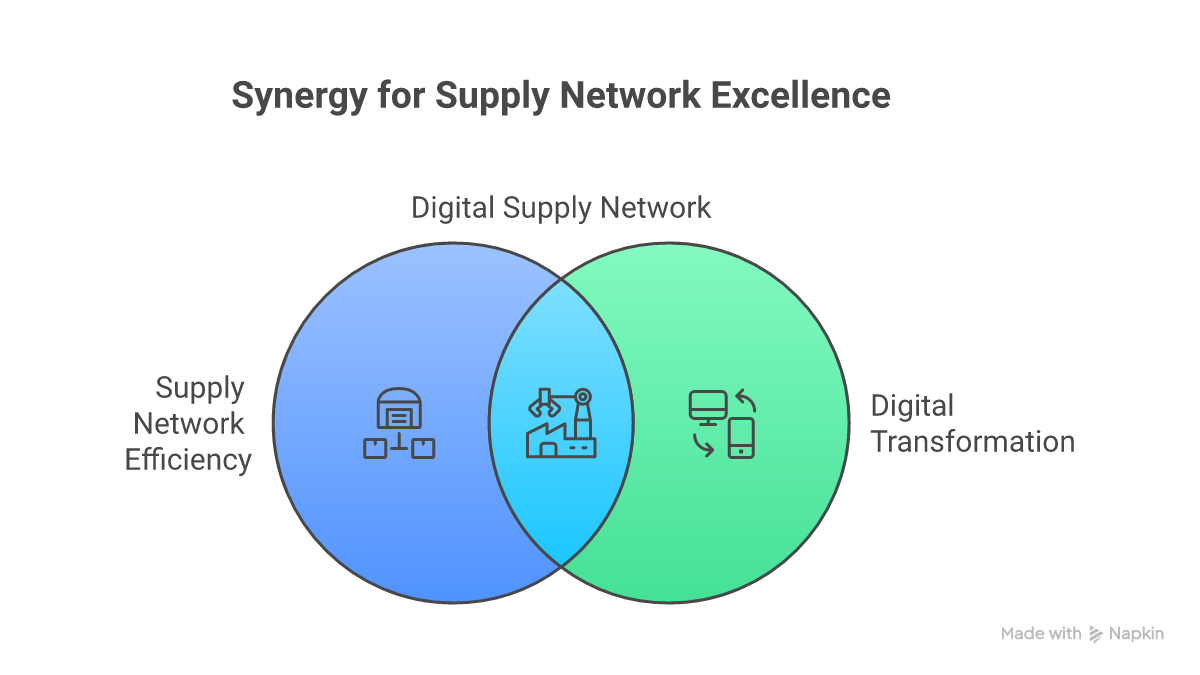
Boosting Supply Network Efficiency Through Digital Transformation

Digital transformation stands as the bedrock of supply chain optimization as we reach 2026. Recent analysis underscores that companies investing in digital supply chain initiatives see 7.5% higher revenue growth and 5.8% higher EBITDA margins compared to their digital-sluggish counterparts.

Supply Network Efficiency and Digital Transformation - supply chain optimization visualization
Boosting Supply Network Efficiency Through Digital Transformation

Cloud-based supply platforms are now synonymous with modern operations. These platforms offer a live view of the entire supply chain, paving the way for quicker decision-making and more efficient collaboration. Firms using these systems report average cuts in order-to-delivery cycles by 35%.

Blockchain has transitioned from trial runs to a crucial tool for supply chain transparency and traceability. Leading retailers now track more than 65% of their high-value items via blockchain, which has led to a 43% drop in counterfeit products and a 28% uptick in recall efficacy.

The Internet of Things (IoT) has redefined how companies oversee and handle their supply networks. With an expected 75 billion connected devices globally by 2026, firms are harnessing IoT data to enhance everything from warehouse tasks to fleet management. Intelligent sensors offer real-time condition assessments, enabling predictive maintenance and slashing equipment downtime by up to 45%.

Consider AutoParts Global’s shift, which embraced a full-scale digital supply network platform. By linking their entire network of suppliers, producers, and distributors, they slashed lead times by 40%, improved forecasting accuracy to 92%, and trimmed operational costs by 23%.

Utilizing Supply Chain Analytics and Decision Intelligence for Risk Management

Advanced analytics and AI have dramatically overhauled supply chain decision-making. By 2026, more than 75% of large enterprises will count on AI-powered supply chain applications, generating $2.9 trillion in business value each year, as projected by industry leaders.

Predictive analytics now extend far beyond simple demand forecasting to include risk prediction, maintenance scheduling, and supplier performance enhancement. Organizations utilizing these tools face 35% fewer disruptions and manage responses to supply chain issues 42% faster.

Digital twins are indispensable for supply chain optimization. These digital replicas of physical supply chains allow businesses to simulate different scenarios, optimizing operations without risk. Companies using digital twins experience 28% fewer stockouts and 25% lower logistics expenses.

Machine learning algorithms constantly dissect vast data streams to uncover patterns and anomalies that might escape human notice. For instance, leading retailers utilize ML-powered systems for store-level inventory optimization with 94% precision, trimming waste by 35% and enhancing product availability.

Take PrecisionManufacturing Corp as an example, illustrating the prowess of advanced analytics. By adopting a broad-spectrum analytics platform, they achieved a 45% reduction in production planning time, cut inventory costs by 30%, and boosted customer satisfaction scores by 25%.

Global Supply Chain Trends and Visions of the Future

As we peer into 2027 and beyond, a series of pivotal trends is redefining the trajectory of supply chain optimization. Sustainability has evolved from a preferable option to a vital business need, with 82% of firms now factoring environmental impacts into their supply chain decisions.

Nearshoring and friendshoring continue to gain traction as businesses adjust to prioritize supply chain resiliency over mere cost-cutting. New statistics show that 45% of multinational entities have proactively diversified their supplier bases across various regions, with approximately 35% of previously offshore production being reallocated closer to key markets.

The rise of autonomous supply chains marks the next milestone in optimization. These self-regulating, autonomous systems harness advanced AI to make real-time decisions sans human direction. Early adopters report efficiency boosts of up to 50% in standard operations.

The fusion of 5G and edge computing is ushering in unparalleled levels of supply chain transparency and control. With ultra-low latency and vast device connectivity, companies now have real-time monitoring and optimization capabilities across global networks.

Circular supply chains are becoming increasingly common as businesses tackle environmental challenges and adhere to regulatory demands. Leaders in this domain benefit from 40% lower material costs while slashing their carbon footprint by up to 50%.

Wrapping It Up: The Future of Supply Chain Optimization

Supply chain optimization has shifted from being a simple cost-saving exercise to a strategic necessity that seeds competitive advantage. The organizations that will thrive in 2026 and onward are those seamlessly weaving advanced tech, sustainable strategies, and innovative management into their supply chain operations.

As discussed throughout this detailed guide, the key to thriving lies in adopting a holistic optimization approach—one that factors in not just efficiency and expenses but also resilience, sustainability, and adaptability. The tools and methods shared here offer a blueprint for achieving these aims.

For supply chain executives, the road is clear: adopt digital transformation, enhance your analytics capabilities, and build flexible, resilient networks that can shift with the market. The future of supply chain optimization isn’t just about doing things better—it’s about doing better things.

The Complete Guide to Warehouse Automation Solutions: Implementation Strategies and ROI Analysis

The Complete Guide to Warehouse Automation Solutions: Implementation Strategies and ROI Analysis

As the global warehouse automation market reaches a pivotal stage, we see its valuation hitting an impressive $26.5 billion by 2024. It’s on an upward trend, projected to soar at a 15.9% CAGR through 2034. But don’t be dazzled by the numbers alone. While the majority of warehouse operators—about 76%—plan to embrace automation within the next three years, there’s a catch: nearly 40% of initial rollouts miss their ROI targets. Success isn’t just about picking the latest technology; it’s about deploying it right.

With supply chains growing ever more intricate and labor markets tight, warehouse automation has shifted from a luxury to a necessity. So, the big question isn’t if you should automate, but how to do it in a way that delivers tangible returns without stumbling over implementation hurdles. This guide dives deep into the nitty-gritty of warehouse automation, covering everything from the initial assessment to maximizing ROI.

By dissecting both triumphant implementations and cautionary tales of failed projects, we’ll show you how companies can effectively navigate their automation journey. We’re zeroing in on what distinguishes top-tier projects—those hitting ROI in under 24 months—from the rest that don’t quite hit the mark.

Based on insights from over 200 warehouse automation projects completed between 2023 and 2024, this guide offers actionable frameworks covering everything from choosing the right technology to managing change effectively. Whether you’re launching your first automation project or seeking to optimize existing systems, you’ll find practical strategies grounded in real-world data here.

Understanding the Current Warehouse Automation Industry

The trajectory of the warehouse automation market paints a vivid picture of how modern logistics is transforming. Expected to swell to a staggering $90.7 billion by 2034, we’re witnessing a fundamental reshaping of warehouse operations. Several converging factors drive this growth, making automation more accessible and necessary than it ever was.

According to the 2024 Warehouse Automation & Order Fulfillment Study, a hefty 83% of facilities have some form of automation, a leap from 65% in 2021. But not all automation is created equal. While 92% have basic setups like conveyors or sorters, a mere 34% have leapfrogged to advanced systems such as autonomous mobile robots (AMRs) or automated storage and retrieval systems (AS/RS).

The persistent challenge of labor availability remains the leading force behind automation adoption, with 76% of warehouse operators struggling with staffing issues in 2024. Nowadays, a typical warehouse spends a whopping 65% of its operating budget on labor, up from 54% in 2019. This shift has fast-tracked automation, especially where labor markets are tight or wages are climbing.

On the brighter side, technology costs are on a favorable path, with the cost per automated square foot dropping by 23% since 2021. Meanwhile, capabilities have soared. Current automation solutions boast 99.9% picking accuracy while slashing labor needs by up to 70% in optimized setups.

The market showcases a clear segmentation in automation solutions. Full-scale automation for large facilities can rake up costs from $25 to $50 million, yet modular solutions now offer a more budget-friendly approach. With initial investments as low as $500,000, mid-sized operations can now embrace automation too.

Key Components of Modern Warehouse Automation Systems

Understanding the essential components of warehouse automation is key to crafting a strategic implementation plan. Today’s automation solutions often integrate various technologies, each honed for specific operational roles, thereby boosting overall system efficiency. The 2024 market trends show distinct preferences in technology adoption.

Autonomous Mobile Robots (AMRs) are the shining stars, with their use skyrocketing by 156% year-over-year. These versatile robots now manage about 65% of internal transport tasks in automated facilities, with advanced models hitting picking rates of over 350 items per hour—twice what humans manage.

Automated Storage and Retrieval Systems (AS/RS) demand the most investment, soaking up 42% of total automation spending in 2024. They greatly enhance storage density—up to 95% more than traditional setups—while almost eliminating picking errors and cutting labor by up to 60%.

Though traditional, conveyor systems have evolved with smart routes and predictive maintenance features. Modern systems push throughput rates above 2,500 cases per hour and cut energy use by 35% compared to 2020 systems, remaining staples in 88% of automated warehouses.

Warehouse Management Systems (WMS) now come with advanced automation modules, employing machine learning to optimize picking paths and storage in real-time. These systems slash travel time by 30%, boost inventory accuracy to 99.9%, and offer real-time operation insights.

Crafting a Strategic Implementation Plan

Crafting a successful warehouse automation strategy starts with thorough planning that combines technical prowess with operational insight. Analysis of 2024 projects shows that those with detailed strategic plans are 3.2 times more likely to hit their ROI targets as planned.

The journey begins with a comprehensive operational assessment. Successful projects spend around 12-16 weeks on this phase, scrutinizing current processes, pinpointing bottlenecks, and quantifying potential improvements. The assessment should foresee needs three to five years down the line.

Collecting data is crucial during this assessment. The best implementations look at least six months back, gathering data on over 15 operational metrics like pick rates, error rates, and labor use. Such baseline data allows for accurate ROI forecasts and identifies top-impact automation opportunities.

Technology selection follows a rigorous evaluation. Leading projects in 2024 typically considered around 5 vendors per key system, using criteria matrices that prioritize technical capabilities (40%), support (25%), future viability (20%), and cost (15%).

Change management is key, with 68% of failed projects pointing to poor staff prep. The best firms allocate 15-20% of their budget to training and change management activities.

ROI Analysis and Planning for Logistics Automation

Studies indicate that projects hitting their ROI goals share common financial planning traits. Winning implementations often model ROI across three scenarios—conservative, expected, and optimistic—and weigh both direct and indirect benefits.

Direct labor savings, while important, account for just 45% of overall ROI in successful projects. Other value streams include lower error rates (15%), better space use (12%), boosted throughput capacity (18%), and reduced energy use (10%). The top projects see paybacks within 18-36 months.

Technology Integration Considerations

System integration poses the toughest technical challenges in warehouse automation. Data from 2024 shows 73% of delays stem from integration issues, especially when blending solutions from multiple vendors.

The best projects tackle this by setting detailed integration requirements early. They allocate 25-30% of their budget on integration and keep dedicated teams throughout.

Implementation Best Practices and Common Pitfalls

Recent success stories highlight critical best practices that greatly influence project outcomes. Organizations following these guidelines are 2.7 times more likely to hit their ROI targets.

Phased approaches yield the best results, with 89% of successful projects in 2024 using a modular rollout. This starts with pilots in specific areas, letting firms validate assumptions and refine processes before full-scale deployment.

Data integration is essential, with top projects building unified architectures that link automation systems to existing warehouse and ERP platforms. This enables real-time decision-making and continuous refinement.

Engaging staff and ample training are crucial. Leading projects provide 120 hours of training per employee involved in automation changes, with support lasting 6-12 months post-launch.

Common pitfalls include underestimating integration complexity (cited by 64% of delayed projects), insufficient testing (linked to 58% of performance issues), and poor change management (noted by 72% of resistance cases).

Measuring and Optimizing Warehouse Efficiency

Post-implementation optimization offers great value, with top firms seeing 25-40% improvements through systematic efforts. Successful programs set up robust frameworks tracking both technical and operational KPIs.

Key metrics include system uptime (aiming for 99.5%+), pick accuracy (targeting 99.9%+), throughput rates (typically 2-3 times manual setups), and labor efficiency (units per hour). Top firms track these in real-time and have dedicated optimization teams for the first year.

Continuous improvement is vital, with leading firms having structured feedback processes. They typically identify optimization chances worth 15-20% of initial project value in the first year.

Regular audits and reviews help find optimization opportunities. Top organizations conduct quarterly reviews and maintain vendor relationships to stay current on updates and new capabilities.

Maintenance strategies are key to long-term success. The highest ROI firms allocate 4-6% of project costs to annual maintenance and use predictive maintenance to cut downtime by 35-50%.

Future Trends and Considerations

The warehouse automation scene is evolving quickly, with several trends influencing future projects. Understanding these is crucial for crafting future-ready automation strategies that yield lasting competitive edges.

AI and machine learning are becoming core to warehouse automation, with 78% of new projects in 2024 deploying some form of AI. These systems outperform rule-based ones by 15-25%.

Cloud-based controls are on the rise, with 65% of new projects using cloud infrastructure for some components. This shift allows for better scalability, lower IT overhead, and improved resilience.

Sustainability is taking center stage, with new systems achieving 30-50% better energy efficiency than traditional operations, meeting both cost-reduction and environmental goals.

The integration of IoT sensors and analytics enables predictive maintenance and real-time optimization, with leading projects cutting unplanned downtime by up to 75% using these technologies.

Conclusion and Next Steps

Warehouse automation is a key strategic move for businesses aiming to stay competitive in an ever-demanding logistics world. Success requires careful planning, methodical implementation, and ongoing optimization aimed at maximizing ROI.

Organizations eyeing warehouse updates should start by assessing current operations, setting clear goals, and developing a detailed plan that covers technical and organizational aspects. The best projects focus equally on technology, processes, and people throughout their journey.

As automation tech evolves, maintaining flexible and scalable designs is vital. Companies should craft robust roadmaps for future growth while ensuring initial projects deliver clear value promptly.

Maximizing Returns with Warehouse Automation: A Comprehensive Guide

Maximizing Returns with Warehouse Automation: A Comprehensive Guide

The global warehouse automation market, anticipated to hit $26.5 billion by 2024, is on an incredible journey of growth, with a yearly surge of 15.9% expected until 2034. Yet, beyond these figures lies an essential narrative: how businesses can effectively navigate warehouse automation to secure solid ROI. With the potential market size soaring to $91.0 billion by 2033, the real question isn’t about automating or not—it’s about mastering the strategy to maximize returns.

There’s never been a more pressing time to consider warehouse automation. As labor shortages throw a wrench into operations and customer demands for quicker deliveries rise, the pressure’s on. Many businesses find automation implementation challenging, with research indicating that up to 40% of projects don’t meet expected returns. Grasping the critical success factors and pitfalls is vital for any business investing in warehouse automation.

This detailed guide explores the nuts and bolts of implementing warehouse automation, honing in on strategies that deliver tangible ROI. From assessing your starting point and choosing the right tech to rolling it out step-by-step and tweaking for best performance, we’ll see how companies can revamp their warehouses while maintaining financial strength.

By diving into real-world examples and industry data, we’ll give businesses at any stage of the automation game actionable insights. Whether you’re just starting to ponder automation or you’re optimizing what’s already there, this guide’s got the informed decisions to boost your sustainable ROI.

The Evolving Warehouse Automation Market and Intelligent Systems

Warehouse automation has come leaps and bounds from its basic conveyor belt days. Today, we’re talking about a vast array of technologies, from autonomous mobile robots (AMRs) to AI-driven warehouse management systems (WMS). As of 2024, North America takes the lead, snapping up about 27% of worldwide automation investments, largely due to its need for cutting-edge manufacturing and quick Industry 4.0 adoption.

Data paints a clear picture of changing automation priorities. While the old focus was mainly on material handling, modern solutions aim at holistic operational efficiency. Software-driven automation is the frontrunner, with WMS and inventory systems booming at an impressive 18.7% annual growth rate between 2024 and 2030, mirroring the industry’s shift towards integrated, data-led automation strategies.

Rising labor costs are a major catalyst for automation. With wages in warehouses growing by about 8% each year since 2020, the case for automation investment strengthens. A McKinsey study finds automated warehouses slash labor costs by 40-50% and boost throughput by 25-35%.

Tech stacks have become more accessible, thanks to cloud solutions and robotics-as-a-service (RaaS), slashing initial investment needs and making automation feasible for mid-sized operations. In just five years, the average cost for basic systems has dropped by 27%, while their capabilities keep expanding.

E-commerce growth constantly reshapes automation requirements. As online retail sales are set to surpass $6.3 trillion worldwide by 2024, warehouses must tackle higher volumes of smaller, more frequent orders. This change has sparked developments in piece-picking automation, with AI systems achieving accuracy rates over 99.9%.

Evaluating Readiness for Automation and ROI Potential

Before diving into automation, companies should carry out thorough readiness assessments to pinpoint areas with the greatest ROI potential. Research suggests those who conduct detailed pre-assessments see 30% higher returns than those who rush into automation decisions.

Kick things off by analyzing current operational metrics. Top companies track KPIs like order accuracy (hovering around 96% in manual operations), picking speed (usually 60-80 lines per hour), and labor costs per order (ranging between $2.50 and $5.00 in non-automated setups). These give a solid baseline to calculate possible ROI.

Mapping out processes reveals automation chances often missed in initial scans. Studies show that 65% of warehouse tasks hold automation potential, but the highest ROI comes from zoning in on specific processes rather than aiming for full automation. For instance, automated storage and retrieval systems (AS/RS) typically show ROI in 2-3 years when suited to facility needs.

Financial calculations should consider direct and indirect perks. While cutting labor costs often leads ROI calculations, other benefits like better accuracy (leading to 25-35% fewer returns), increased storage capacity (up to 85%), and better throughput (40-50% boost) significantly affect overall returns. McKinsey suggests these extra benefits can jazz up ROI forecasts by 40-60%.

Infrastructure readiness is vital for a smooth implementation. Technical evaluations should assess power systems, flooring, ceiling heights, and wireless networks. Companies investing in infrastructure prep report 25% fewer delays and hit ROI targets 40% quicker than those needing major fixes during deployment.

Choosing Technologies and Crafting Strategies for Efficient Warehousing

Picking the right technologies involves a balance between current needs and future growth. LogisticsIQ research suggests modular automation solutions outperform monolithic systems by 35% in ROI, thanks chiefly to their adaptability to shifting business needs.

Goods-to-person (GTP) technologies are high-ROI stars, with setup costs spanning $2-5 million but offering payback periods of 18-24 months for high-volume outfits. Productivity jumps of 200-300% are linked to these systems compared to traditional picks, with walking times cut by up to 65%.

Autonomous mobile robots (AMRs) are another hot area for high returns. With costs per AMR now between $25,000-40,000, they’re within reach for mid-sized businesses. Companies employing AMR fleets see labor costs fall by 40-50% in picking—it takes about 12-18 months to break even in multi-shift environments.

Software integration abilities greatly affect ROI timelines. Warehouse Management Systems (WMS) integrating smoothly with automation systems speed up implementations by 30-40% and raise system efficiency by 25%. Modern WMS platforms with built-in automation modules reach ROI in 6-12 months, thanks to better inventory accuracy and trimmed processing times.

Phased rollouts consistently trump big-bang approaches in ROI terms. Organizations with phased strategies report 45% fewer disruptions and secure positive returns 30% faster than those going all out at once. This method lets firms fine-tune initial rollouts before expanding automation.

Essential Success Factors for Implementing Automated Warehousing

Engaging employees and providing training are critical to successful automation. Businesses dedicating a minimum of 15% of their automation budget to training hit ROI goals 40% faster than those investing under 5%. Comprehensive training slashes system downtime by 60% and boosts productivity by 25% during early operations.

Change management strategies play a crucial role. Organizations with formal change management programs report 70% higher user adoption rates and achieve ROI goals 35% sooner than those without structured plans. This includes clear communications, stakeholder engagement strategies, and recorded transition procedures.

Managing Costs and Tracking Returns

Effective cost management throughout implementation requires meticulous tracking of both direct and indirect expenses. Leading firms establish project management offices (PMOs) to oversee costs and benefits, resulting in 25% better budget adherence and 30% quicker ROI achievements.

Regular ROI reviews and optimization checks help pinpoint adjustments. Quarterly performance reviews allow companies to tweak system configurations and workflows, boosting returns by an extra 15-20% in the first operational year. This ongoing optimization is becoming standard among industry pacesetters.

Successful Implementation Case Studies

A major retail distribution center took a phased automation approach, starting with AMRs for picking. An initial outlay of $4.2 million saw ROI within 14 months, achieved through a 45% cut in labor costs and a 60% uptick in picking accuracy. Success bred expansion in subsequent phases, each building on value delivered.

An e-commerce fulfillment operation rolled out goods-to-person tech in a strategic zone-based setup. A $3.8 million investment broke even in 16 months, with a 250% boost in picking productivity and a 65% reduction in training time for new staff. The system’s modular design made expansion easy as volume increased.

A 3PL provider implemented AMRs and automated storage systems, investing $7.5 million across three phases. Each phase yielded ROI within 18 months, resulting in a 40% cost reduction, 85% space-use improvement, and a 30% boost in throughput capacity.

These implementations highlight shared success factors: clear ROI targets, phased approaches, robust change management, and continuous optimization programs. They illustrate how smart planning and execution can yield sustainable returns while transforming warehouse operations.

The Future of Warehouse Automation and Its ROI Implications

New technologies are reshaping ROI calculations in automation. AI and machine learning are slashing implementation costs while enhancing system performance. Early AI adopters report returns 20-30% better than traditional setups.

Cloud-based automation platforms are gaining ground, offering reduced initial costs and quicker implementation. These solutions deliver ROI 30-40% faster than older on-premise systems, while offering more flexibility for scaling and adaptation.

Robotics-as-a-service (RaaS) models are transforming financial calculations for automation projects. These subscription-based approaches cut capital requirements by 60-70% while delivering positive ROI through operational savings. RaaS adoption is set to grow by 25% annually by 2028.

Integrating IoT sensors and real-time analytics is boosting automation performance. Facilities using IoT-enabled systems report ROI 15-25% better compared to standalone systems, thanks to predictive maintenance and dynamic optimization.

Sustainability is increasingly shaping automation decisions. Energy-efficient systems show 10-15% better long-term ROI, considering rising energy costs and environmental compliance. This trend will intensify as sustainability becomes central to business strategy.

Conclusion and Recommendations

Strategizing for sustainable ROI is essential for successful warehouse automation. The numbers prove careful planning, phased deployment, and ongoing fine-tuning give the best return. Organizations need to balance immediate operational needs with future growth, keeping their sights on measurable financial outcomes.

If you’re considering warehouse automation, start with deep operational assessments, opt for modular tech that allows for growth, and build strong change management programs. Regularly track ROI and optimize systems, supported by comprehensive training and engaging employees.

As automation tech and logistics evolve, staying flexible in strategy while focusing on proven ROI drivers is crucial. Companies embracing these practices and staying alert to new tech and market trends will secure sustainable returns on their automation investments.

The Future of Last Mile Delivery: Transforming Urban Logistics Through Innovation and Sustainability

The Future of Last Mile Delivery: Transforming Urban Logistics Through Innovation and Sustainability

The last mile delivery market is poised on the brink of a fascinating shift. According to research by Technavio, the sector is expected to balloon by USD 60.82 billion between 2024 and 2028. What sets this growth apart is a fundamental change in how goods are delivered to urban customers. With environmental factors, tech advancements, and shifting consumer expectations all in the mix, the last mile delivery space is packed with both challenges and opportunities.

Cities are feeling the squeeze from heightened e-commerce activity, with over 60% penetration in developed areas. This has led to a rise in urban traffic and environmental pressures. The World Economic Forum’s 2024 report highlights that delivery vehicles now constitute 21% of urban traffic , raising issues of congestion and emissions that need immediate solutions.

We’ll take a closer look at how innovation is transforming last mile logistics, exploring new technologies, sustainable methods, and strategies that companies are using to tackle these hurdles. We’ll also delve into how today’s solutions are adapting to meet tomorrow’s demands, striving for a balance between efficiency, sustainability, and keeping customers happy in the world of e-commerce logistics.

From self-driving delivery robots to AI-driven route planning and micro-fulfillment centers, the world of last mile delivery is evolving rapidly. Keeping up with these changes is crucial for delivery firms, retailers, and urban developers aiming to build more effective, eco-friendly, and resilient delivery systems.

Current State of Urban Delivery Challenges

The urban landscape for deliveries in 2024 is a tangled web of challenges. INRIX’s Global Traffic Scorecard painted a grim picture, with a 15% rise in congestion from 2023, delivery trucks being major contributors. In bustling cities like Istanbul, drivers face a loss of around 105 hours yearly due to traffic jams—bad news for efficiency and delivery costs.

Concerns about the environment are growing. According to the World Economic Forum, urban freight currently makes up 25% of city carbon emissions and 30% of air pollutants. If these trends continue, emissions are likely to go up by 32% by 2030, calling for sustainable pathways.

Infrastructure gaps are another bump in the road. With e-commerce booming at a 12% annual rate, current infrastructure is buckling under the pressure. Loading zones designed for a bygone era now operate at 147% capacity during busy times in big cities.

Cost pressures don’t let up either. The average delivery cost jumped by 18% in 2024, as fuel, labor, and compliance costs are climbing. These are tough to balance when customers expect free or cheap standard delivery.

Labour shortages add to the woes. Surveys indicate a 27% shortfall in urban delivery roles, hitting the last mile operations the hardest where knowing the local scene and human touch still play a key role despite tech advances.

Technological Solutions Transforming Last Mile Delivery

The forefront of last mile delivery transformation is dominated by Artificial Intelligence and Machine Learning. Using complex algorithms, logistics companies can optimize routing, cutting delivery times by 23% and fuel use by 17%, based on recent data from major players in the industry.

Autonomous vehicles are moving from testing to reality. This year, more than 1,200 delivery robots are active in urban areas globally, spearheaded by big names like Amazon and FedEx. They’ve managed a 31% cut in delivery expenses on optimal routes with a near-perfect delivery rate of 99.3%.

IoT devices and real-time tracking have overhauled visibility in deliveries. With 85% of clients now expecting live updates, IoT offers essential transparency. Systems integrating weather, traffic, and historical data hit a whopping 96% accuracy in predicting delivery times.

Predictive tools are helping anticipate delivery needs and manage resources better. Analyzing past data combined with weather and local activities, these systems boast 89% accuracy in forecasting daily delivery volumes, improving scheduling efficiency.

Modern delivery operations rely on cloud solutions as their backbone. These platforms sift through about 1.2 million data points per urban center every day, allowing for quick tweaks and optimization across vast delivery networks.

Sustainable Practices in Last Mile Logistics

Electric vehicles are making significant inroads into delivery fleets. Big delivery players indicate that 35% of their urban fleets are electric, with a goal to hit 75% by 2028. This shift has cut carbon emissions per delivery by 42% in areas where EV infrastructure is robust.

Micro-fulfillment centers have emerged as game-changers in sustainable delivery. Sized between 15,000-20,000 square feet, they slash vehicle miles by 62% compared to traditional centers. Cities with these centers report a 27% drop in delivery emissions.

Green packaging is making strides in reducing environmental footprint. Reusable packaging initiatives by big e-commerce firms have seen success, eliminating 12,000 tons of single-use packaging in 2024. When prompted correctly, over 45% of customers engage with these programs.

Bicycles and cargo bikes are becoming popular in bustling city centers. They now handle 28% of urban deliveries, cutting emissions and keeping traffic light compared to larger vehicles, besides delivering 34% quicker during peak hours.

Combining deliveries from multiple sellers is another innovative strategy. This method reduces vehicle trips by 41% while maintaining efficient delivery windows, greatly benefiting historic city centers with restricted vehicle access.

Infrastructure and Urban Planning Solutions for Smart Cities Logistics

Smart loading zones, equipped with IoT sensors, are more effectively managing urban delivery areas. These systems, now in 47 major cities, cut parking search times by 37% and double the number of deliveries possible per hour in a loading zone.

Urban consolidation centers serve as vital infrastructure. Averaging 50,000 square feet, these hubs consolidate shipments, allowing for fewer, more efficient routes. This has led to a 30% dip in delivery vehicle movements in downtown areas.

Systems for dynamic curb management are revolutionizing how space is utilized. Using apps and real-time data, these systems improve curb space use by 78% during peak times and cut double-parking by 54%.

The growth of multi-modal delivery infrastructure is accelerating. Cities focusing on bike lanes and micro-mobility corridors see a 45% uptick in alternative delivery modes, leading to less traffic congestion.

Though still emerging, underground delivery networks are showing results in early tests. Cities trialing these systems report an 89% drop in surface-level delivery traffic in areas covered, though cost remains a hurdle.

Operational Strategies for Enhanced Efficiency

Dynamic routing algorithms are getting smarter, incorporating real-time traffic, weather, and historical data to find the best delivery paths. Users of these systems report a 28% boost in on-time delivery and a 23% cut in fuel costs.

Time-slot management is smoothing out delivery schedules. By offering incentives for deliveries at less busy times, companies boost vehicle usage by 31% and cut rush-hour traffic by 27% in cities.

Cross-docking simplifies logistics by reducing time goods spend in storage. Modern facilities handle packages within 2.4 hours of arrival, cutting handling costs by 42% over traditional methods.

Crowd-based delivery solutions offer flexibility during peak times. These networks manage 18% of urban deliveries when demand is high, cutting costs by 45% compared to additional dedicated capacity.

Integrated delivery management systems streamline operations across multiple carriers and delivery modes. Companies using these setups see a 34% improvement in delivery density and a 29% drop in missed deliveries.

Customer Experience and Same-Day Delivery Communication

Real-time tracking and communication tech are crucial for successful last mile delivery. Businesses offering precise delivery windows and live tracking score 67% higher in customer satisfaction and handle 42% fewer service queries.

Investment in alternative delivery locations continues, with smart lockers and pickup points now within a 10-minute walk for 78% of city dwellers. This drastically reduces missed deliveries by 91% and slashes costs by 35%.

Letting customers manage their delivery preferences is vital for a personalized experience. By enabling detailed preferences, companies achieve 82% success on first delivery attempts and lower returns by 23%.

Regulatory Compliance and Safety Measures

Zero-emission zones now affect 42% of last mile deliveries in large European cities. Companies have adapted by expanding their electric fleets, achieving 95% compliance without sacrificing service quality.

Safety standards for both autonomous and traditional delivery vehicles are becoming more sophisticated. Firms using advanced driver-assistance technologies report a 45% fall in accidents and 38% lower insurance costs.

Data protection is more crucial than ever. Logistics providers allocate about 12% of their IT budgets to safeguarding customer data and ensuring compliance with privacy regulations.

Future Trends and Innovations in Last Mile Logistics

Drone delivery services are breaking out of the experimental phase, thanks to evolving regulations in key markets. Operators of drone systems report a 71% decrease in delivery costs for suitable routes and a stunning 94% reduction in delivery times for remote areas.

Quantum computing is starting to show its potential in optimizing complex delivery routes, promising a 40% improvement over traditional computing methods in certain scenarios.

Blockchain is transforming supply chain transparency. Firms employing blockchain technology notice 89% better traceability and reduce paperwork processing time by 65%.

Augmented reality is changing the game for warehouse logistics. Workers guided by AR tech achieve 43% greater accuracy and 27% faster processing compared to conventional methods.

Edge computing near delivery zones shortens data delays by 82%, helping autonomous vehicles and dynamic routing systems make real-time decisions efficiently.

Market Evolution and Competition

Traditional logistics firms are facing stiff competition from tech-forward startups. These newcomers, many focusing on niche delivery needs, have already carved out a 23% market share in city areas.

Partnerships are reshaping the sector, with 67% of successful operations relying on multi-partner collaborations. These partnerships optimize resource use and expand service offerings.

Investment in last mile technology soared to $12.8 billion in 2024, with 45% funneled into sustainability and 35% toward automation.

Conclusion

The shift in last mile delivery solutions stands as a major challenge and opportunity in logistics today. With the market forecasted to hit $300.5 billion by 2030, striking a balance between efficiency, eco-friendliness, and customer satisfaction is crucial in increasingly crowded urban landscapes.

Thriving in this shifting space requires a blend of tech innovation, green practices, and operational finesse. Investing in flexible and scalable last mile solutions while prioritizing sustainability and customer needs is essential.

Looking forward, the synergy of new technologies and sustainable efforts will define industry frontrunners. The companies that manage to seamlessly integrate these aspects while navigating urban and regulatory shifts will be the ones to harness the potential of the burgeoning last mile delivery sector.

Strategies for Navigating Last Mile Delivery Challenges

Strategies for Navigating Last Mile Delivery Challenges

The global market for last mile delivery is on the brink of an impressive transformation. According to industry forecasts, this market is set to soar from $168.98 billion in 2024 to an incredible $355.06 billion by 2033, reflecting a robust CAGR of 8.6% read more . This growth trajectory signifies not just vast opportunities but also highlights the intricate challenges that logistics operators face, particularly in the last mile, known as the most costly and complex segment of the supply chain.

As urbanization progresses, with 68% of the world’s population expected to congregate in cities by 2050 , the last mile delivery faces unique pressures. It’s a convergence of skyrocketing consumer expectations, stringent environmental policies, and climbing operational costs—a perfect storm demanding innovative approaches. Recent facts reveal that the last mile can contribute up to 53% of overall shipping expenses and account for 25% of urban carbon emissions from commercial vehicles find out more .

In this thorough discussion, we will explore the complex issues surrounding last mile delivery and offer actionable strategies derived from industry experts and budding technologies. From AI-driven route optimization to eco-friendly delivery methods, we’ll look at how companies can turn these hurdles into strategic advantages.

We’ll focus on tangible solutions that logistics professionals can adopt right now while gearing up for forthcoming demands. Each strategy provided is supported by actual case studies and data-driven insights, ensuring its applicability across operations of all scales.

Understanding the Cost Structure of Last Mile Logistics

Managing the cost dynamics of last mile delivery is a formidable task for logistics companies. By 2024, delivery expenses range from $10.10 to $23.85 per drop, largely dictated by the urban density and the type of goods being delivered. These costs have climbed 12% since 2022, often surpassing revenue growth and squeezing profit margins.

Labor is the heaviest cost factor, making up 40-60% of total delivery expenses. New figures from the World Economic Forum show driver pay escalating by an average of 8.3% annually since 2021, driven by increased competition and regulatory demands. The pinch is felt more in cities where congestion can slash driver productivity by up to 40%.

While fuel cost swings are common, they still make up 15-25% of operating costs. Although electric vehicles, which cut per-mile costs by up to 40%, are on the rise, their hefty initial investment can be a hurdle. Urban operators highlight that the stop-and-go nature of city traffic can inflate fuel use by up to 140% when compared to highway driving.

Spending on infrastructure and tech is another significant factor. Logistics firms are now allocating 4.2% of their revenues to tech solutions, up from 2.8% in 2020. While improving efficiencies, the rapid tech evolution means frequent upgrades, driving continuous capital expenditure.

Failed deliveries and returns represent hidden cost burdens. Each unsuccessful delivery can cost between $15-$23, excluding the toll on service reputation. With first-attempt delivery success hitting just 82% in urban zones, these costs can escalate substantially.

Urban Density Challenges

Cities offer unique hurdles that fundamentally reshape last mile delivery processes. Insights from the World Economic Forum’s 2024 Urban Logistics Report reveal that delivery trucks in big cities waste about 28% of their time seeking parking, which hinders productivity and boosts emissions.

Inner-city congestion drops average delivery speeds to a sluggish 8.7 mph during rush hours versus 23.1 mph in suburbs. This variance causes rippling delays across schedules, with each hold-up in the morning impacting 8-12 later deliveries the same day.

Access to buildings is another urban hurdle. In high-rise areas without package rooms, delivery times can stretch by 4-7 minutes per stop. Elevator waits in skyscraper towns can add 35-50 idle minutes per route daily.

Security protocols and access restrictions further entangle urban deliveries. Data suggests that in 2024, about 42% of urban commercial buildings have special entry procedures needing extra delivery training and careful route orchestration.

Eco-regulations and low-emission zones trim operational leeway. By 2024, 127 major cities globally had set or were planning zero-emission areas, pushing logistics firms to double fleets or invest in expensive vehicle upgrades.

Technology Solutions for Enhancing Delivery Efficiency

AI and machine learning are crucial in tackling last mile delivery woes. Advanced routing algorithms now juggle over 150 variables at once, cutting delivery times by 17% on average over traditional methods. Companies using AI-powered optimization report fuel savings of 12-15% and a 22% increase in driver deliveries daily.

Predictive data analysis is pivotal for delivery planning. By mining historical patterns, weather data, and live traffic updates, state-of-the-art systems can predict delivery windows with an impressive 94% accuracy, trimming failed attempts by 27% for early users.

Live tracking and dynamic rerouting have become essential. Findings show that systems offering real-time updates trim customer service calls by 45% and lift satisfaction scores by 18 points. The ability to reroute in real time based on traffic saves about 37 minutes per day per route.

Mobile apps have streamlined last-mile functions. Driver apps with automatic proof-of-delivery functions cut admin time by 73% versus paper methods. Plus, customer apps that let users tweak delivery windows slashed failed deliveries by 32%.

IoT sensors and connected devices offer remarkable insight into deliveries. Tools like temperature monitors and GPS trackers create over 1,000 data points per delivery, preemptively resolving issues and enhancing processes.

Automated and Robotic Delivery Advances

Automated sorting facilities have transformed distribution operations. Locations equipped with robotic systems manage packages 2.7 times faster than manual efforts, reducing errors by 98%. Such systems are crucial, especially in urban micro-centers where space is premium.

Autonomous robots are catching on in controlled settings. Pilots in office and university campuses show costs can drop by up to 65% for short trips. Yet, regulations and public approval remain hurdles for more extensive use.

Eco-Friendly Delivery Solutions

Environmental concerns have become critical in last mile operations. Electric delivery vehicles make up 12% of urban fleets, with adoption rising as technology and reduced costs improve. Firms with EVs report 47% lower maintenance and a 60% cut in carbon emissions compared to traditional vans.

Micro-mobility options like e-cargo bikes and e-scooters shine in dense areas, completing deliveries 17% quicker than vans amid congestion, while slashing carbon emissions by up to 90% per trip. Companies using such vehicles save €0.73 per delivery on fuel and maintenance.

Eco-packaging adds value to green delivery methods. Reusable boxes can cut waste by 80% while trimming costs by €0.32 per item delivered. Early adopters note a 22% rise in customer approval when sustainable packaging is offered.

Urban consolidation centers play a key role in sustainable logistics. By consolidating loads, they cut vehicle miles by 45%, allowing new delivery options. Cities embracing this report a 30% reduction in emissions related to delivery.

Smart lockers and pickup points further sustainable delivery goals. Each location serves up to 400 customers daily, reducing missed deliveries by 98% and minimizing emissions from start-stop traffic.

Optimizing Customer Experience

Keeping up with shifting customer expectations is a significant last mile challenge. Surveys reveal 93% of consumers now want live delivery updates, with 74% ranking delivery experience as a top choice factor. Companies excelling here see 28% higher retention.

Offering flexible delivery options has become critical. Businesses providing multiple speed choices see satisfaction rise by 32% and cart abandonments drop by 17%. Flexible time windows cut failed deliveries by 48% while boosting satisfaction scores by 24 points.

Communication makes a big impact on customer experience. Automated alerts cut WISMO (Where Is My Order) inquiries by 75%, boosting first-time deliveries by 14%. Those using proactive systems cut service costs by 38%.

Returns management is vital in customer interactions. Efficient processes can boost customer lifetime value by 23% and lower costs by optimizing reverse logistics. Easy returns see repeat buys jump by 45%.

Actively integrating customer feedback speeds improvements. Companies using systematic feedback address issues 73% faster, driving an 18% boost in delivery metrics.

Forecasting Future Trends in Last Mile Logistics

Tomorrow’s last mile delivery will pivot on emerging tech and evolving customer habits. Drones, while still early stage, might bring cost cuts of 70% in suitable settings. Regulatory roadblocks and infrastructure needs are key concerns, but pilots show 75% faster delivery times on some routes.

AI advances promise to cut planning time by 90%, boosting route efficiency by 25%. Machine learning could enable predictive maintenance, reducing vehicle downtime by 40% and extending fleet life.

Blockchain offers supply chain security and clarity. Initial uses show 65% fewer document errors and 43% quicker cross-border processes. Smart contracts might automate payments, halving administration costs.

Urban infrastructure is set to adapt for higher delivery volumes. Underground networks in cities could ease surface congestion by 30%, halving inner-city delivery times.

Customer demands will energize innovation. Same-day service is expected to be standard in cities by 2026, pushing firms to reimagine operations to balance profitability and service quality.

Conclusion

Addressing the last mile’s many challenges requires a coordinated approach to solution implementation. Achieving success in this shifting sector demands a careful alignment of operational efficiency, customer satisfaction, and eco-consciousness.

Businesses investing in tech infrastructure, sustainable solutions, and customer experience optimizations are best poised to capture market advantage in the competitive landscape. The secret lies in crafting flexible, scalable delivery operations that adapt to market shifts while achieving high operational standards.

Looking ahead, the prominence of last mile delivery will only grow. Companies that drive innovation while maintaining operational excellence will define future logistics success. The way forward is through ongoing improvement, strategic investments, and a relentless focus on meeting evolving customer needs with a cohesive logistics strategy.