
Poland’s Warehouse Market in 2026: At the Crossroads of Green Growth and Vacancy Rates
Poland’s warehouse market in early 2026 is standing at a decisive junction. Its modern inventory now exceeds an impressive 35 million square meters ↗, influenced by shifting tenant expectations and a growing push toward sustainability. Though vacancy rates sit around 8.2% nationwide, the sector remains remarkably adaptable, overcoming challenges through strategic modifications aligned with ESG transitions. This analysis dives into how Poland’s industrial real estate sector tackles the double hurdles of space absorption and environmental compliance.
Current insights from major players like CBRE and Savills hint at moderate expansion in supply, with about 2 million square meters set for rollout this year, yet the core demand drivers stay strong. This transformation is chiefly visible in the swift uptake of eco-friendly building techniques, with BREEAM-certified areas now surpassing 44.5 million square meters—boasting an extraordinary annual growth of 52% in sustainable warehouse development.
For those investing, developing, or occupying, grasping this market’s trajectory involves inspecting three crucial aspects: the variances in regional vacancies, trends in sustainability certifications, and their combined influence on asset values. We’ll explore how these factors are reshaping Poland’s warehousing scene, ushering in fresh chances for those in the market.
As we move forward, we’ll delve into the ways top developers attain elevated rent prices by excelling environmentally, the reasons certain regions avoid high vacancy rates, and how these trends predict the market’s development. Stakeholders will find valuable guidance in this complex yet promising market landscape.
Current Market Dynamics: Vacancy Trends in Polish Warehouses
While the Polish warehouse market’s overall 8.2% vacancy rate might seem to paint a stable picture, regional differences tell a more intricate tale of supply and demand. Recent reports show that vacancies can reach as high as 22.9% in Lubuskie ↗ but remain in single digits in key logistics hubs, showing how vital a strategic location is for tenant decisions.

Examining specific areas, Warsaw Zone I and Upper Silesia boast the lowest vacancy rates thanks to strong e-commerce demand and their strategic placements within pan-European distribution networks. This pattern underscores a critical market insight: even if headline vacancy rates suggest a glut, prime locations experience vibrant demand and even some supply shortages.
Lower Silesia, notably, now surpasses Central Poland in total warehouse stock. This reflects a change in tenant preferences and highlights the region’s rising status as a logistics hub catering to both domestic needs and cross-border distribution. The region’s ability to pull in major tenants while maintaining solid absorption rates offers valuable insights into market dynamics.
Rental rates stay fairly consistent throughout core markets, with big-box warehouses priced between €3.60–5.75 per square meter, and SBU/City Logistics projects at €4.00–8.25 per square meter. Yet, an emerging trend shows environmentally certified buildings are often leased at higher rates, indicating sustainability credentials are becoming crucial in tenant decisions.
The industry data indicates roughly 680,000 square meters of new warehouse space was wrapped up in Q1 2025 ↗, a 20% dip from last year’s same period. This slower pace of development points to a strategic shift due to current vacancy levels, reflecting developers’ more discerning strategies for new projects.
Environmental Shift: How Sustainability and ESG Shape the Market
Poland’s warehouse industry is undergoing an extraordinary shift toward eco-friendly development, with BREEAM certification becoming the gold standard for environmental quality. By March 2025, the milestone was achieved of over 44.5 million square meters in BREEAM-certified spaces, marking the highest year-on-year leap in sustainable warehouse development Poland has ever seen.
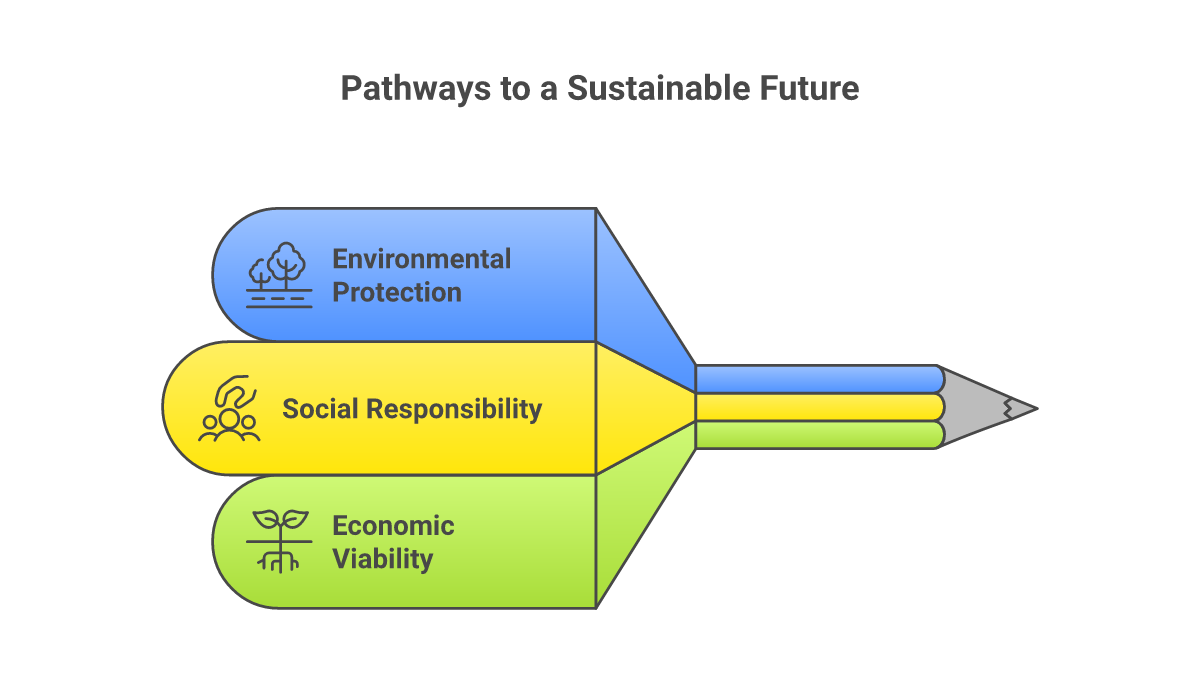
Developers such as Panattoni, SEGRO, and 7R are taking sustainability seriously, surpassing mere certification thresholds. Panattoni, for instance, plans to reach emission neutrality by 2025, while SEGRO aims to certify its full Polish portfolio with BREEAM by 2027. Such moves highlight the sector’s pivot towards environmental stewardship.
Research from the Polish Green Building Council (PLGBC) shows that certified buildings perform better in occupancy and rental values than standard warehouses. Environmentally certified spaces typically command a premium of 5-15%, based on location and specification level, which is propelling extra investment into green building methods.
Efficiency upgrades and the use of renewable energy are increasingly standard in new builds. Warehouses now often include solar setups, LED lighting, and sophisticated building management systems, which reduce operational costs while aligning with ESG principles. Such enhancements are considered essential to maintaining property value and attracting high-quality tenants.
Current data shows that approximately 54.2% of all certified commercial square footage in Poland now belongs to the warehouse and logistics segment, indicating a fundamental transformation in industrial real estate development and operation prompted by regulatory forces and rising tenant demand for eco-conscious spaces.
Regional Spotlight: Performance of Polish Logistics Centers
Recent analyses highlight varied performance trends across Poland’s warehouse areas. Warsaw’s metro remains the nation’s leading logistics hub, particularly with Zone I vacancy rates far below the national mean, spurred by heavy last-mile delivery needs and its role as a distribution nucleus.
Upper Silesia and Pomerania are gaining traction as vital logistics points, thanks to improved infrastructure and strategic positions along European routes. These regions witness strong demand for eco-friendly warehouses, with sustainable projects leasing quicker than traditional properties.
Meanwhile, regions like Lubuskie and Świętokrzyskie grapple with higher vacancy rates of 17.2-22.9%, underlining the difficulty secondary locations face in drawing and retaining tenants. Yet, even in these areas, sustainable warehouses generally see better occupancy than their non-certified counterparts.
ESG Compliance and Emerging Market Norms
The swift evolution of ESG standards within Poland’s warehouse sector is redefining market expectations and operational strategies. Key developers report that BREEAM certification, once a luxury, is now a standard demand among institutional investors and key tenants. Minimum targeted ratings for new projects have shifted from ‘Very Good’ to ‘Excellent’.
A remarkable achievement occurred when Poland saw its inaugural BREEAM ‘Outstanding’ rating for a warehouse, with Panattoni’s Szczecin project setting new standards for environmental excellence. This milestone reflects the sector’s capacity to produce world-leading sustainable industrial properties.
The incorporation of ESG principles stretches beyond environmental metrics to encompass social impacts and governance structures. Developers now often include employee welfare amenities, sustainable transport options, and community engagement activities in their warehouse designs.
Looking Forward: Trends in Warehouse Efficiency and Market Outlook
Projecting into 2026-2027, several trends are poised to shape the Polish warehouse market’s future. The development pipeline indicates a clear preference for sustainable construction, with over 80% of upcoming projects targeting BREEAM certification at ‘Excellent’ or higher. This shift is driven by both market demand and regulatory pressures favoring enhanced environmental performance.

Vacancy rates are expected to decline as development slows and current spaces are filled. Analysts predict about 5 million square meters of take-up in 2025, showing robust demand despite economic uncertainties. Locations offering strategic benefits and sustainable facilities are expected to see the strongest absorption.
Environmentally certified warehouses are likely to experience continued upward pressure on rental rates, especially in prime areas. Rising construction costs and the increasing value tenants place on operational benefits associated with sustainable buildings support this trend.
The market sees growing interest in the redevelopment of brownfield sites, particularly those able to meet high sustainability standards while revitalizing urban industrial zones. This approach aligns with environmental goals and the growing need for urban logistics spaces.
Technology is becoming a critical aspect of sustainable warehouse advancements, with smart building systems and energy management tools playing crucial roles in meeting environmental certifications.
Investment Directions and Emerging Opportunities
The blend of sustainability needs with market fundamentals presents distinct investment prospects in Poland’s warehouse sector. Properties with solid environmental credentials consistently show better value retention and higher occupancy, making them increasingly attractive to large-scale investors.
Data highlights that certified warehouses often garner 15-20% higher valuations compared to similar non-certified sites. This premium is due to higher rental income, lower operational expenses, and reduced risk of becoming obsolete in a market increasingly centered on ESG criteria.
For investors, the current climate offers chances to acquire and upgrade existing properties to meet stricter environmental standards. The notable gap between certified and uncertified spaces suggests potential in value-add strategies focused on sustainability enhancements.
Development options remain favorable in strategic locations, especially for projects meeting high environmental benchmarks while catering to specific tenant needs. The success of recent sustainable builds reflects a strong market desire for top-notch environmental features.
Risk considerations have shifted to prioritize environmental performance and safeguarding against ever-tightening regulations. Investors are increasingly weighing the costs of potential environmental upgrades when assessing warehouse opportunities in Poland.
Guidance for Industry Stakeholders
For developers engaged in Poland’s warehouse market, several strategic priorities arise. First, environmental certification should be seen as a baseline requirement, not a luxury, with BREEAM ‘Excellent’ now considered standard for competitive assets.
Occupants need to thoroughly assess the overall cost implications of their warehouse choices, weighing both immediate rental prices and long-term savings. The premium on sustainable spaces is often offset by reduced operating expenses and alignment with ESG goals.
Investors should evaluate current portfolios against rising environmental standards and formulate clear strategies for asset upgrades. The growing valuation gap between certified and uncertified properties makes this need pressing.
All market players should closely watch regional performance variations, as location quality is increasingly linked with environmental factors in asset performance.
Looking forward, stakeholders should get ready for further sustainability standard evolutions, especially regarding carbon reduction and energy efficiency. Embracing advanced environmental standards early on can offer a competitive edge in a discerning market.
Conclusion
Poland’s warehouse market showcases remarkable resilience and nimbleness in addressing the challenges of managing vacancies and adhering to sustainability demands. The swift adoption of environmental certifications, particularly BREEAM, positions the sector well for growth and investment opportunities.
The link between sustainable development and market success indicates that environmental excellence is fast becoming a central driver of asset value. This trajectory will likely accelerate as tenants and investors increasingly prioritize ESG factors in their real estate considerations.
Those involved in the market who effectively combine wise location choice with sustainable warehouse development practices are best poised to capitalize on opportunities within Poland’s evolving industrial real estate sector.