
Supply Chain Predictions 2025: Transformation Through Technology, Sustainability, and Resilience
Fast forward to 2026, and the global supply chain management application market is projected to soar to an impressive $31 billion, as outlined in this insightful report. This surge marks more than a technological shift; it’s a complete reimagining of how global supply chains function, connect, and transform. Looking ahead to 2025, the blend of AI advancements, sustainability drives, and geopolitical pressures brings both obstacles and opportunities, reshaping the industry as we know it.
Recent findings from MIT’s Sustainable Supply Chain Lab highlight that more than 70% of executives now rank next-gen supply chain capabilities among their top three priorities for 2025. This trend underscores a widespread understanding that the traditional linear supply chains can’t keep pace with an increasingly intricate and interconnected global market. The real question isn’t if change is coming, but how businesses will navigate this accelerated transformation.
This in-depth analysis dives into the trends, technologies, and strategic shifts shaping supply chain operations in 2025. From the emergence of agentic AI to the pressing need for environmental sustainability, we explore how these forces are merging to establish new operational standards. Crucially, we’ll offer actionable insights on positioning organizations to thrive in this ever-evolving supply chain arena.
For supply chain professionals, tech leaders, or business executives, grasping these emerging supply chain predictions for 2025 is vital for informed strategic planning. Let’s explore the major developments set to redefine supply chain management’s future.
Digital Transformation and AI Integration in Supply Chain Trends
We’re at a pivotal moment in AI integration within supply chains. According to Gartner’s latest research, by 2025, more than 75% of enterprise supply chains will include ‘agentic AI’, which are systems making decisions without human input. This marks a dramatic shift from AI as mere assistance to a decision-making entity.
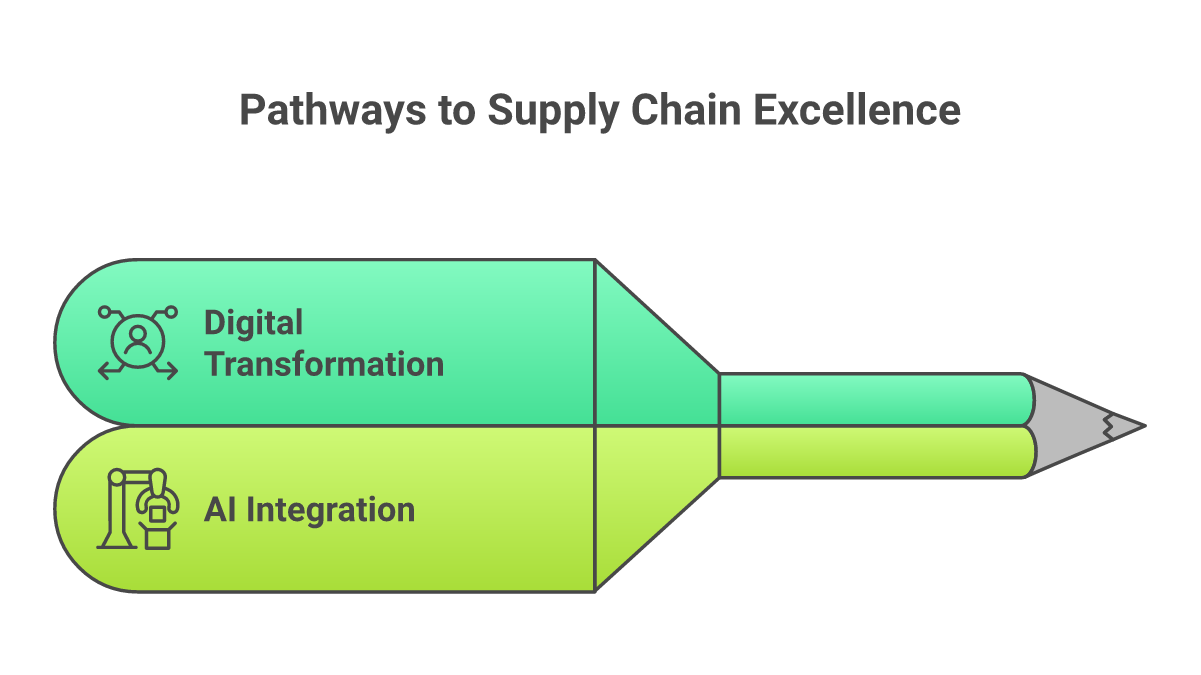
Companies jumping on board with advanced AI systems are already noting substantial improvements. A PwC study notes that businesses embracing AI-driven supply chain solutions see about a 15% drop in inventory costs and a 20% boost in forecasting accuracy. These aren’t just minor gains—they’re game-changing improvements altering competitive landscapes.
Another critical development is ambient invisible intelligence. This technology quietly operates, constantly monitoring and making real-time adjustments to enhance supply chain performance. By 2025, it’s estimated that 60% of large enterprises will have ambient intelligence as part of their supply chains, forming a network that adjusts before disruptions hit.
Digital twins are becoming indispensable in operations. These virtual models of supply networks are gaining complexity, and by 2025, they’ll use real-time IoT sensor data for network optimization, risk management, and resource planning. Their role has shifted from simulation to necessity.
Finally, AI tech is becoming more accessible. Cloud solutions and ‘AI-as-a-Service’ are extending sophisticated analytics capabilities to mid-sized firms that previously couldn’t afford such investments. This is driving widespread adoption of AI-powered tools across different market levels.
Machine Learning Applications in Demand Forecasting and Supply Chain Analytics
Machine learning is transforming demand forecasting. Modern algorithms evaluate countless variables, from weather to social media chatter, to predict consumer actions with impressive precision. Research shows a 30% reduction in forecast errors when using ML compared to older methods.
Practical examples highlight their impact. A major European retailer adopted ML demand forecasting in 2024, leading to a 40% drop in out-of-stock instances and a 25% cut in inventory costs. These advancements enhance both customer satisfaction and operational performance.
Autonomous Decision-Making Systems
Autonomous decision-making systems are radically shifting supply chain paradigms. By 2025, 40% of routine decisions will be autonomous, managing tasks from stock replenishment to supplier choices, with algorithms optimizing outcomes based on myriad factors.
Initial deployments show promising results. Firms utilizing these systems note a 35% drop in decision-making delays and a 25% enhancement in decision quality, benefiting overall operational outcomes. This speed and precision are crucial competitive edges.
Sustainability and Environmental Impact
Environmental sustainability has evolved into a central factor driving supply chain strategies. MIT’s 2025 State of Supply Chain Sustainability Report reveals that 85% of companies now see sustainability as a key priority, and 60% are ramping up investments in sustainable practices despite economic tightness.
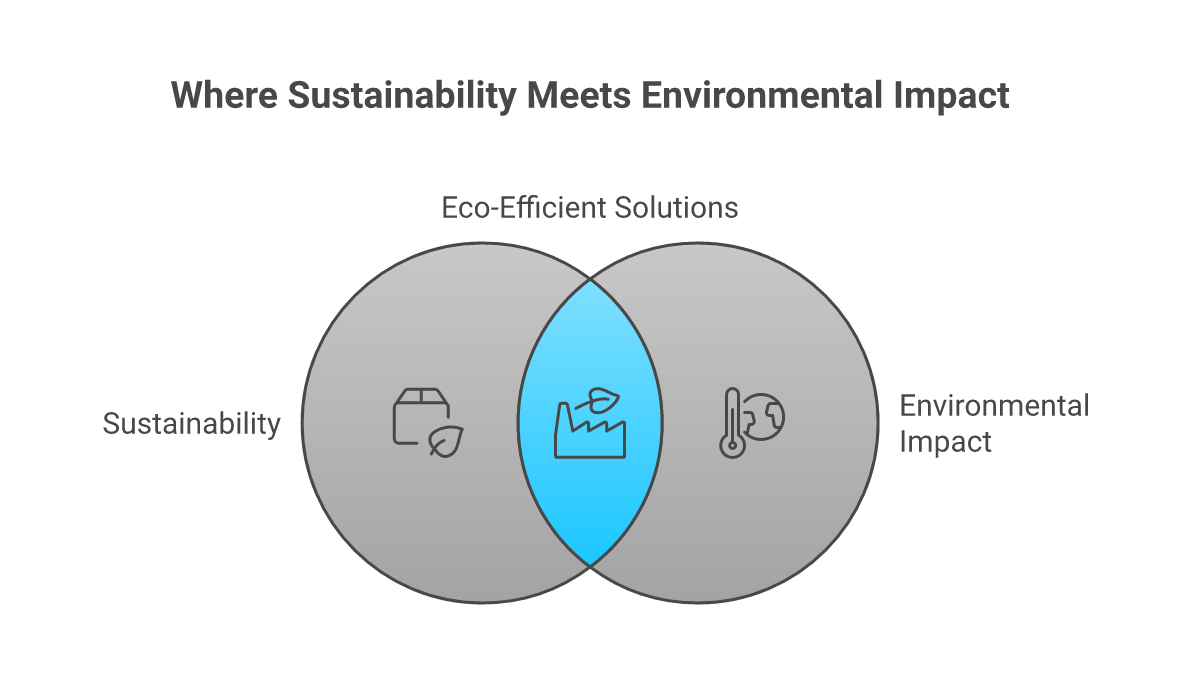
The logistics industry, responsible for roughly 24% of global CO2 emissions, is particularly pressed to cut its environmental impact. Leading companies are setting ambitious goals—achieving carbon neutrality by 2040 with key milestones by 2025.
Green logistics is seeing rapid growth. The global green logistics sector, valued at $1.5 trillion in 2024, is projected to hit $2.3 trillion by 2030, driven by regulatory pressures and consumer expectations for eco-friendly practices.
Technological innovation is pivotal for sustainable methods. AI-driven route optimization is slashing fuel usage by 15%, and advanced analytics are pinpointing inefficiencies to cut carbon footprints. Electric and hydrogen vehicles are becoming more prevalent in logistics, with major players aiming for 40% zero-emission fleets by 2025.
Circular supply chain frameworks are catching on. Companies are restructuring to minimize waste and maximize resources, including efficient systems for returns and recycling alongside forward distribution.
Renewable Energy Integration
Renewable energy is being integrated rapidly into supply chain operations. By 2025, an estimated 45% of logistics facilities will employ some form of renewable energy generation. Solar and wind power are becoming standard in new builds.
The economic case for renewables aligns with environmental goals. As renewable technology costs fall and traditional energy prices climb, comprehensive renewable strategies yield an average 30% energy cost cutting over three years.
Sustainable Packaging Innovations and Green Supply Practices
Packaging sustainability is gaining importance. Innovative materials and design are reducing waste while maintaining product integrity. The sustainable packaging market is set to expand by 65% between 2024 and 2025, driven by consumer and regulatory demands.
Progress in this area is speeding up. Biodegradable materials, minimized packaging, and smart tech that extends product life are mainstreaming, with leading firms noting up to 40% reductions in packaging waste.
Supply Chain Resilience and Risk Management
Supply chain resilience has moved up on the priority list. According to KPMG’s 2025 supply chain outlook, 78% of companies are significantly boosting their investment in resilience and risk management, marking a shift in how supply chains are viewed.
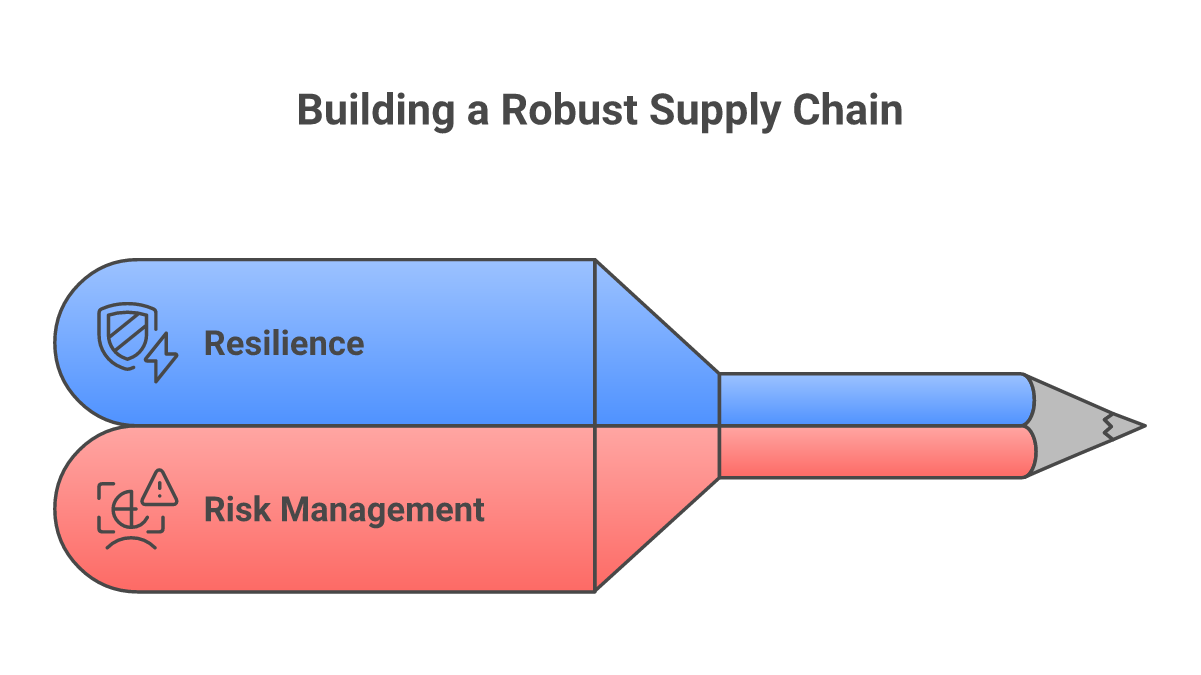
Organizations are adopting multi-sourcing strategies as a norm. They’re developing complex supplier networks across regions to protect against disruptions and geopolitical threats, despite the increased management complexity.
Advanced analytics and AI are revolutionizing risk management. Predictive models using vast data sources are preemptively identifying disruptions. Companies using these tools report a 40% better capability to predict and handle risks.
Near-shoring and friend-shoring are accelerating. By 2025, 45% of businesses are expected to have moved at least 20% of sourcing closer or to politically aligned territories, indicating a major restructuring from cost-optimized global networks.
There’s a surge in inventory optimization tech investment. Firms are employing AI systems for balancing efficiency and resilience, determining optimal inventory levels across complex networks with various risk and demand factors.
Network Optimization Strategies
Network designs are evolving to emphasize resilience with efficiency. Hybrid networks offering both regional and global advantages are emerging, aided by advanced modeling tools that optimize various factors.
‘Resilience by design’ is becoming more popular. Instead of adding flexibility and redundancy later, companies are incorporating these elements into their network structures from the start, leading to a 35% reduction in disruption-related losses.
Real-time Risk Monitoring in Future Supply Chain Operations
Real-time risk monitoring is becoming typical. Companies are implementing systems tracking everything from weather to social media, providing early disruption warnings and enabling proactive measures.
Satellite data and IoT sensors are expanding monitoring capacities. Companies now have real-time shipment tracking and environment condition assessments, enhancing risk management and operational efficiency.
Conclusion
As we move towards 2025, the supply chain industry is experiencing a remarkable transformation. With digital tech, sustainability, and resilience as key drivers, new challenges and opportunities are arising across sectors. A strategic balance of these priorities is key to success.
Businesses need to take proactive steps to prepare for this evolving market. This includes investing in digital skills, pushing sustainable initiatives, and crafting robust networks. Companies that see these shifts as opportunities rather than obstacles will gain a competitive edge through supply chain digital transformation.
The future of supply chain management lies in using these trends to maintain excellence. Businesses that adeptly handle this change will thrive in increasingly complex and dynamic environments.