
Strategic Infrastructure Investment in Specialized Healthcare Shipping: Paving the Path for Tomorrow’s Cold Chain Logistics
The global healthcare cold chain logistics market is at a crossroads in 2026. With the market valued at USD 62.5 billion in 2025, projections suggest it will soar to USD 95.1 billion by 2030, growing at a robust annual rate of 9.5%. Yet, these impressive figures only scratch the surface of the profound shift underway in transporting, storing, and delivering life-saving medications and biologics around the world.
This shift arrives at a critical time for the healthcare sector. Over 20% of new drugs being developed are gene and cell-based therapies requiring meticulous temperature control, pushing traditional logistics systems to their limits. The stakes are high—a single temperature mishap can devalue millions in specialized medicine and directly affect patient health.
Healthcare organizations are scrambling to update their cold chain logistics. The World Health Organization’s stricter 2025 guidelines and the U.S. FDA’s enhanced regulations demand constant monitoring and validation of cold chain integrity. These evolving requirements, along with the rise in biologic medications, are driving substantial infrastructure investments in the industry.
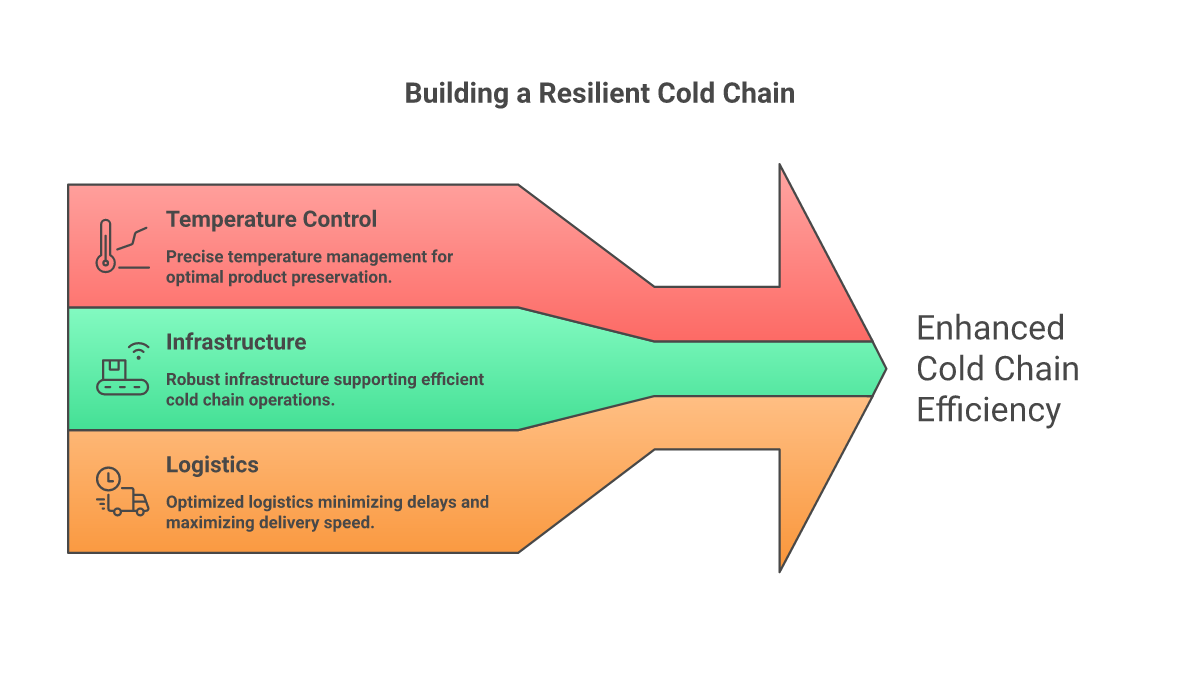
In this in-depth look, we’ll explore how top healthcare entities are strategically bolstering shipping infrastructure, assess breakthrough technology solutions, and pinpoint essential strategies for constructing resilient cold chain networks ready for future challenges. Armed with these insights, logistics leaders can make informed infrastructure investments that balance innovation, compliance, and efficiency.
Current State of Cold Chain Infrastructure and Temperature-Controlled Logistics
According to a study by Mordor Intelligence, the healthcare cold chain logistics market hit USD 62.5 billion in 2025 ↗, with refrigerated transport and storage facilities taking up about 40% of the market share. However, the current infrastructure shows significant regional disparities in capability and investment.
North America led with a 42.87% market share in 2024 ↗, fueled by its advanced healthcare infrastructure and the high demand for temperature-sensitive drugs. The U.S. alone boasts over 3.6 billion cubic feet of pharmaceutical-grade cold storage, although experts say this covers only 85% of current needs.
Europe stands second in market share, with countries like Germany and Switzerland showing strong infrastructure. The European sector benefits from stringent EU GDP (Good Distribution Practice) guidelines that drive consistent investment in temperature-controlled facilities and transport networks.
The Asia-Pacific region is growing fastest, thanks to India’s National Cold Chain Development program, which is pouring INR 2,800 crore (USD 340 million) into pharmaceutical cold storage infrastructure between 2023 and 2025. China’s cold chain network is rapidly expanding, with annual investment increases of over 25% as it aims to become a global biotech manufacturing leader.
Despite advancements, critical gaps remain even in developed regions. A 2024 survey found 23% of pharmaceutical manufacturers reported temperature excursions in their operations, while 31% cited inadequate infrastructure as a major growth roadblock.
Technology Integration and Innovation
Advanced technologies are reshaping cold chain infrastructure investments. GlobalData research shows a USD 4.7 billion investment in cold chain technology for 2024, led by AI and IoT innovations.
The Internet of Things (IoT) is the backbone of modern cold chain systems, offering real-time monitoring of temperature and humidity. Today’s advanced sensors can track additional parameters like shocks, light exposure, and door activity, with networks generating over 500 data points per shipment.
AI and Machine Learning are transforming data use. Predictive analytics can identify potential temperature deviations up to 4 hours early, allowing timely interventions. AI-powered route optimization has reduced temperature variances by 35% while slashing transport costs by 12%.
Blockchain is a vital tool for supply chain validation, with major distributors using it to create immutable records of temperature data and handling processes. This technology has cut documentation mistakes by 65% and sped up regulatory compliance checks by 78%.
Innovative packaging is another area of progress. Modern materials like phase change materials (PCMs) and vacuum insulated panels (VIPs) are replacing traditional cooling methods, maintaining precise temperatures for up to 120 hours, compared to the usual 48-72 hours.
Infrastructure Investment Strategies for Cold Chain Management
Healthcare organizations are adopting varied strategies to enhance their cold chain infrastructure. DHL’s USD 2.7 billion investment in 2024 for healthcare logistics expansion ↗ highlights the scale of current efforts.
Regional hubs are evolving into advanced cold chain centers connected by multiple temperature zones, from room temperature (+20°C to +25°C) to deep frozen (-80°C) and cryogenic (-150°C) storage. Modern facilities also feature automated storage and retrieval systems (AS/RS) to reduce human involvement and temperature variations.
The last mile poses unique challenges and opportunities, with companies investing in specialized vehicles with redundant cooling systems and real-time monitoring. Urban micro-fulfillment centers with temperature-controlled lockers are emerging as a solution for direct patient delivery of sensitive medications.
Energy efficiency and eco-friendliness are now priorities in infrastructure planning. New facilities are integrating renewable energy like solar and wind, decreasing operational costs and improving environmental performance. Advanced insulation and energy recovery systems can slash power usage by up to 40% compared to traditional cold storage.
Risk mitigation through redundancy is a key focus, with organizations building networks of smaller, interconnected facilities rather than relying on centralized mega-hubs. This approach enhances resilience and cuts transportation distances and risks.
Regulatory Compliance and Validation
Infrastructure investments have to meet increasingly strict regulatory standards. The FDA’s 2024 updates stress continuous monitoring and automated alerts throughout the cold chain.
Validation is now more thorough, requiring temperature mapping studies, qualification of storage areas, and performance checks of transportation routes. Companies must prove their infrastructure can maintain temperatures under the worst conditions.
Quality management systems (QMS) for cold chain operations are now integrating with enterprise resource planning (ERP) systems to offer real-time compliance tracking. These systems generate automated alerts for temperature excursions and keep detailed audit trails for inspections.
Training and personnel qualification requirements have expanded. Facilities are required to maintain documented training programs for all cold chain staff, with regular competency assessments.
International alignment efforts are standardizing cold chain requirements globally. The International Air Transport Association’s (IATA) CEIV Pharma certification is becoming a global benchmark for cold chain quality.
Cost Considerations and ROI Analysis
Investing in specialized healthcare shipping infrastructure demands careful financial scrutiny. Initial costs for modern cold chain facilities usually range from USD 200 to 500 per square foot, quite a bit higher than standard warehouses.
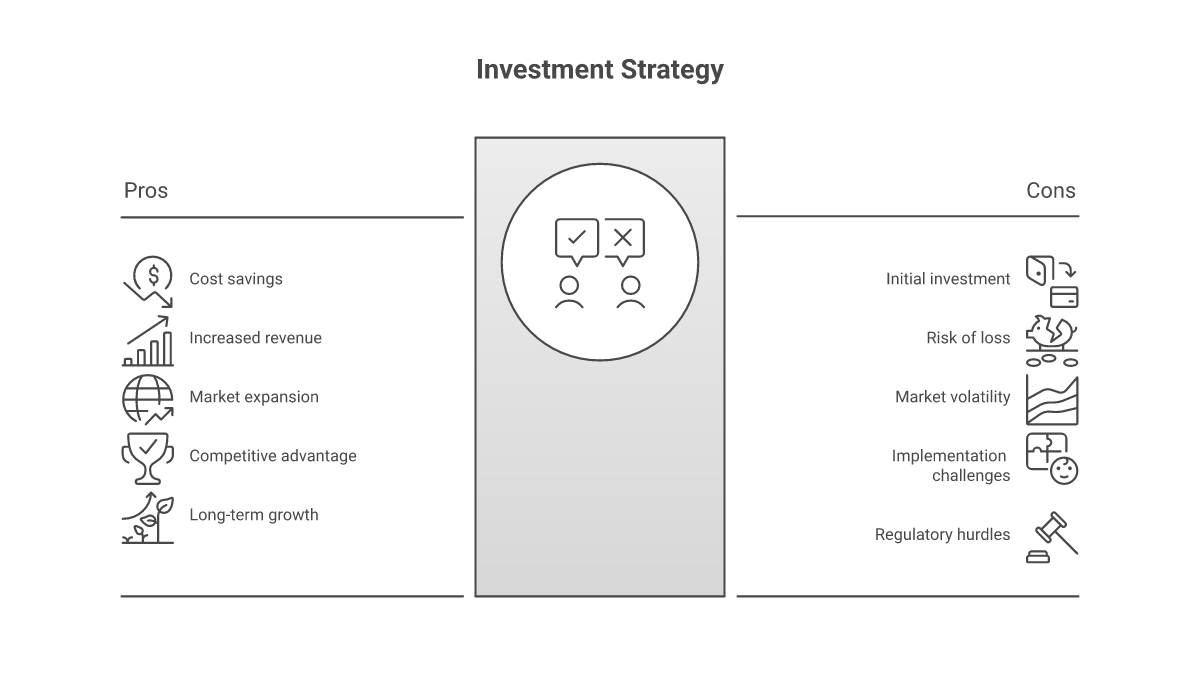
Operating expenses are ongoing hurdles, with refrigeration energy taking up 50-70% of total facility costs. Advanced energy management systems can cut these by 25-35% compared to older systems.
Labor costs are higher in cold chain operations due to specialized training and safety protocols, raising expenses by 15-20% compared to ambient temperature facilities. However, automation and efficient designs can help balance these costs.
ROI calculations need to include both direct financial returns and risk mitigation benefits. Studies indicate avoiding a single major temperature mishap can save USD 500,000 to 1,000,000 in product losses, not counting regulatory and reputation damages.
Insurance is another major cost. Well-designed and validated cold chain infrastructure can lower premiums by 20-30% through proven risk reduction and compliance.
Future Trends and Considerations in Refrigerated Supply Chain
Several trends will shape the future of cold chain infrastructure. Personalized medicine and cell therapies will boost demand for ultra-low temperature capabilities, ranging from -80°C to -150°C.
Automation will keep advancing, with robots handling more cold chain tasks. Early adopters of automated systems report productivity improvements of 40-60% and a 90% reduction in temperature excursions.
AI will become more integral in infrastructure management, optimizing energy use, predicting maintenance, and automating quality control. Industry forecasts show AI could cut costs by 15-25% while boosting reliability.
Sustainability will influence infrastructure design. By 2030, net-zero cold chain facilities incorporating renewable energy and advanced insulation are expected to be standard, lessening carbon emissions and lowering costs.
Innovations in the last mile will speed up, with new methods for temperature-controlled home delivery. Smart packaging with built-in temperature monitoring and control will make direct patient distribution safer.
Conclusion
Investing strategically in specialized healthcare shipping infrastructure is both a challenge and an opportunity for the pharmaceutical industry. The increasing complexity of temperature-sensitive medications, along with strict regulations, calls for a comprehensive approach to cold chain development.
Success involves balancing technological innovation, regulatory compliance, operational efficiency, and financial performance. Organizations must assess their needs and market conditions while planning for future growth and changing demands.
Looking ahead to 2030, those investing wisely in flexible, resilient cold chain logistics will be best placed to cater to the growing demand for temperature-sensitive drugs, maintaining top product quality and patient safety. Now’s the time to act—the future of healthcare delivery depends on creating tomorrow’s cold chain infrastructure.