
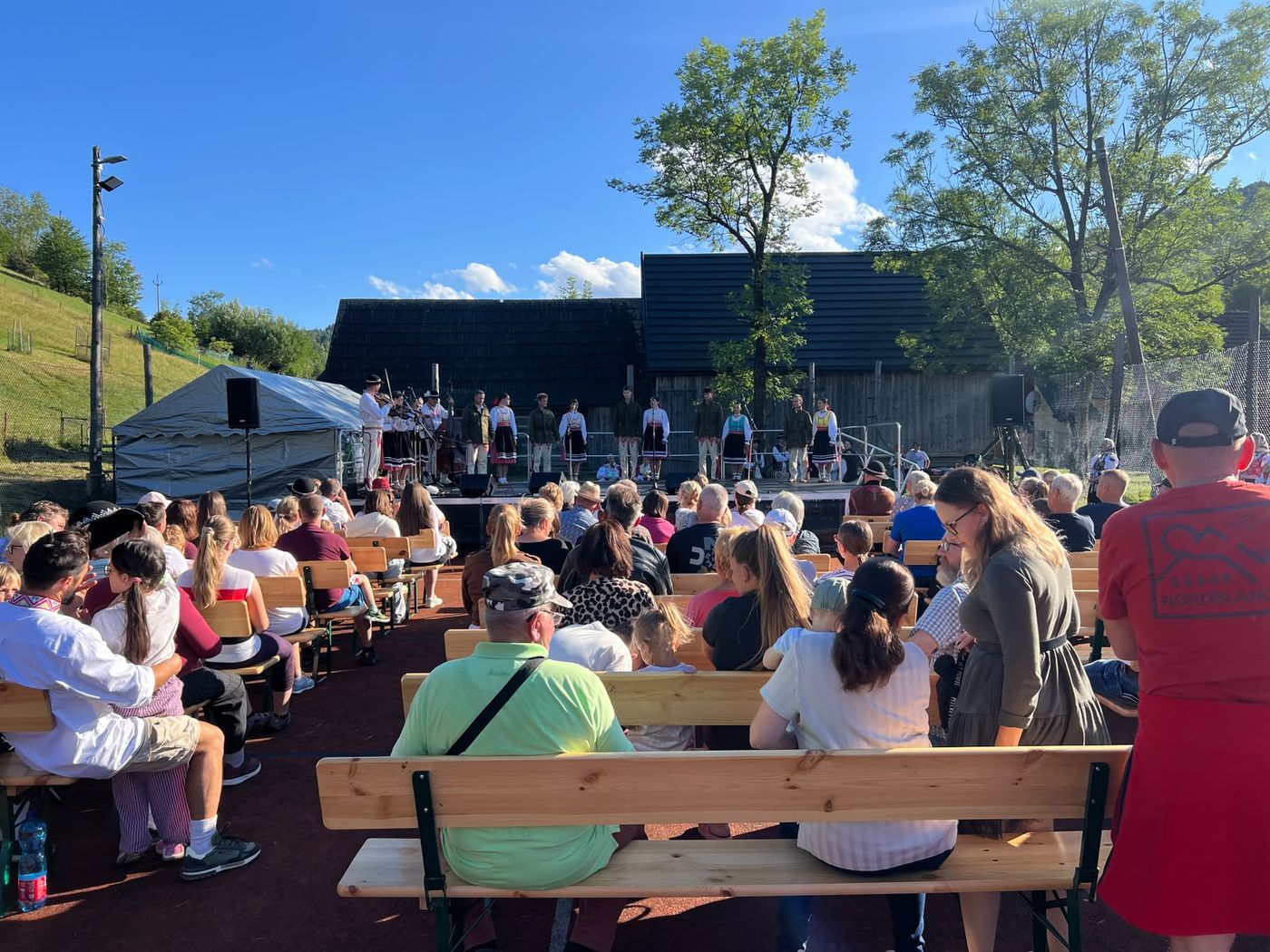
On 22 and 23 August 2026 the Zogrod festival returned to Malá Franková, a Goral village of 193 people in the Kežmarok district. Two days, four acts, one wooden stage cut into a hillside. IPEC Group organised and funded this year’s edition.
A festival named after a farmstead
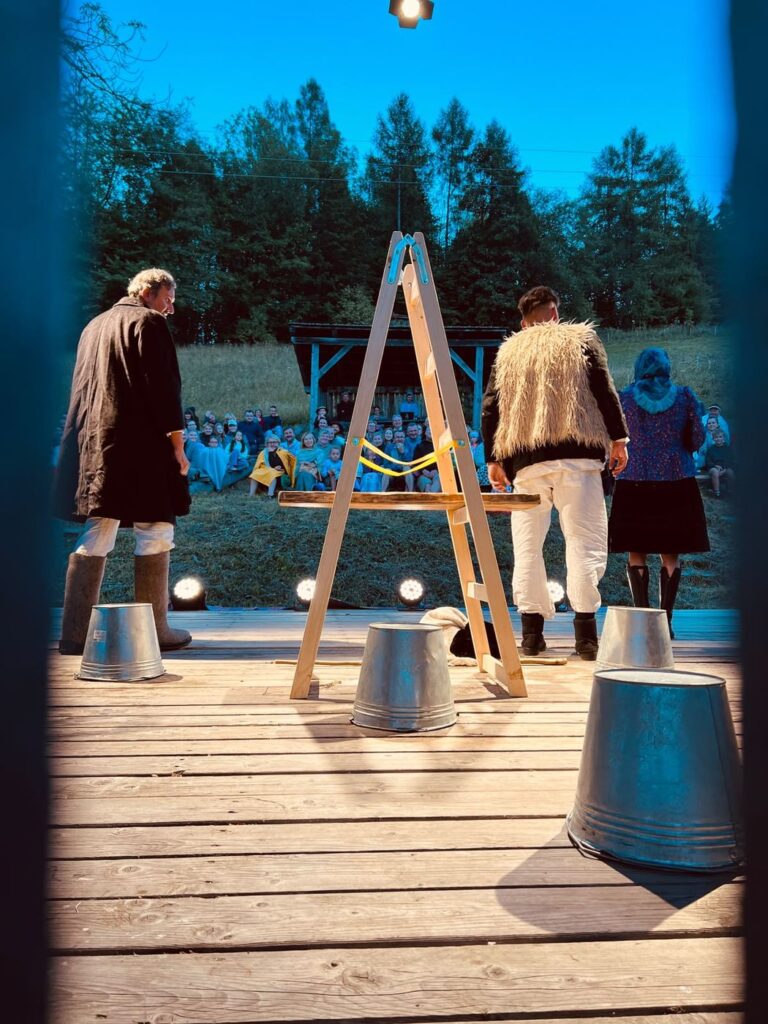
Every holding in Malá Franková carries the name of the family that works it. The one that gave the festival its name is called do Zogroda, and it belongs to Ivan Čarnogurský Jr., who started the whole thing in 2004 after coming back from Austria. The first edition, on 7 and 8 August 2004, put a two-week painting symposium with the Academy of Fine Arts in Bratislava next to a Teatro Tatro puppet show, the folk ensemble Maguranka and an open-air cinema. The amphitheatre was improvised from lumber left over from a new cottage, with the seating cut into the slope above a barn.
That slope is still the auditorium. The stage stands on land the company owns, and the festival has been part of IPEC’s Public Value work ever since.
What ran over the two days
Saturday 22 August
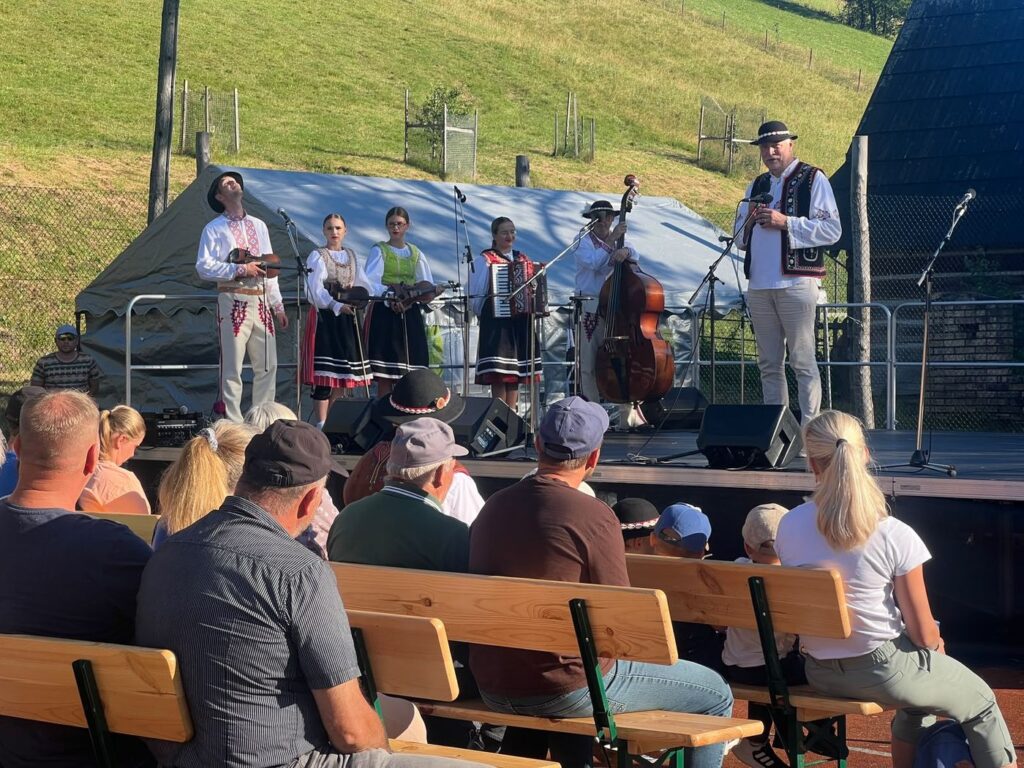
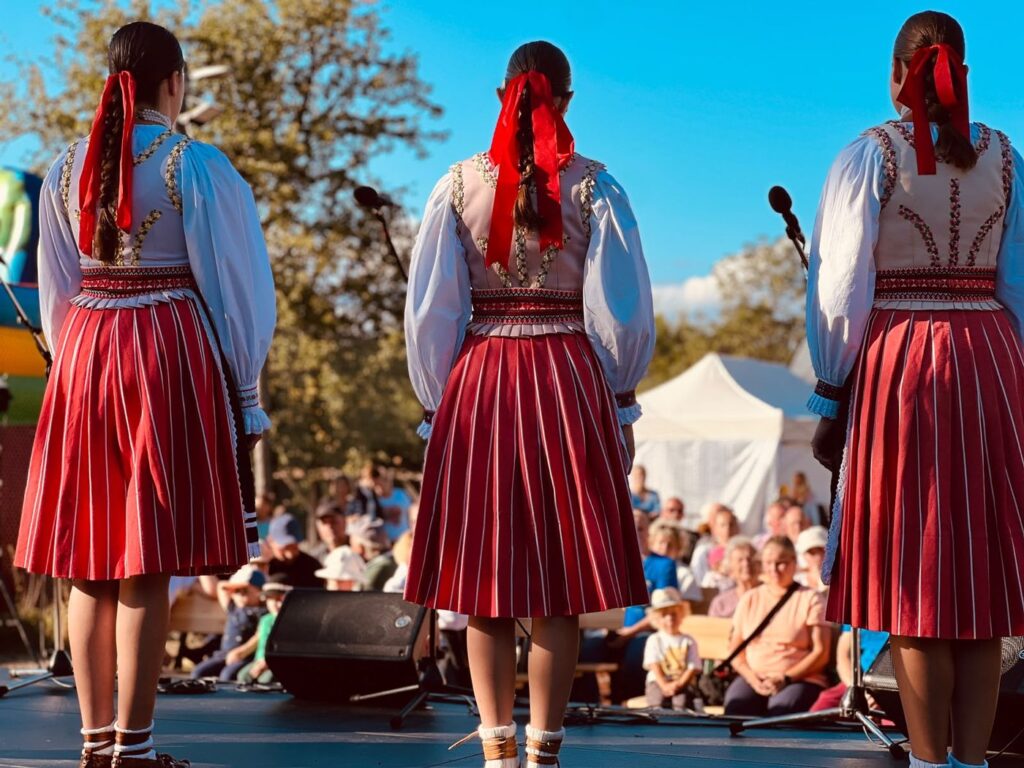
- 17:00Folklórny podvečer: SusediaSix ensembles from the surrounding villages shared the stage, directed by Alexandra Bachledová: FS Frankovčan from Malá Franková, FS Maguranka from Spišská Stará Ves, the folk band of František Kačic, FSk Goral from Ždiar, SSk Jablonecka from Kežmarok and Stoličnoho džyvky from Veľký Lipník, with Miroslav Beck and Alexandra Beck dancing solo.
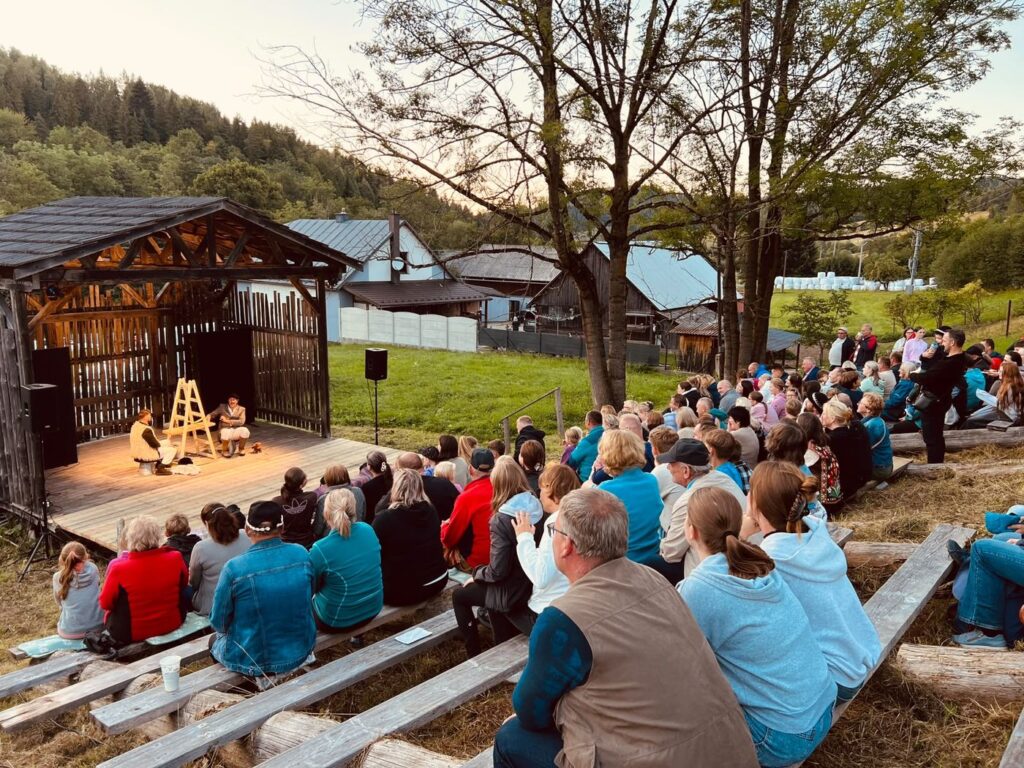
- 19:00Divadlo na predmestí: Rysavá jalovicaA professional company played the comic adaptation of the Martin Kukučín story.
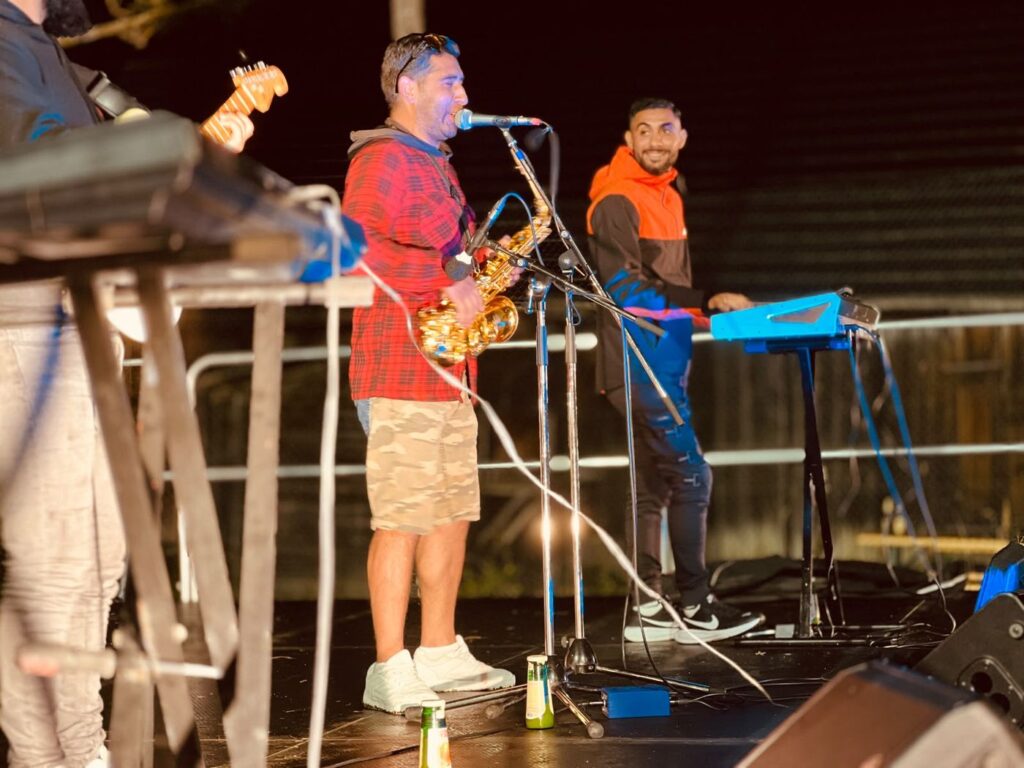
- 20:30Lomnické čháveThe Roma band closed the night.
Sunday 23 August
- 16:00Divadlo Actores Rožňava: Pipi Dlhá PančuchaThe professional drama company Divadlo Actores from Rožňava brought the children’s play that closed the weekend.
A refreshment stand and attractions for children ran on both days. The full programme is on the poster published by the municipality.
Why a developer pays for it
Malá Franková sits at 750 metres in the far north-east of the country, close to the Polish border and about as far from our industrial parks on the D1 as Slovak geography allows. It has 193 residents and was first written down in 1568. It is not a market we develop in, and it is not going to become one.
That is rather the point. Industrial investment in Slovakia concentrates in the west, and the unemployment map is close to the inverse of the leasing map. A company that makes that argument in public can also spend two days a year putting professional theatre on a hillside in a village of 193 people. It costs a fraction of a fit-out, and it is one of the few things we fund that will still be there when the halls have changed hands.